A Beginner's Guide to Mushroom Foraging (From Someone Who Started Last Year)
By James Whitfield for Orangutany · Updated November 2025
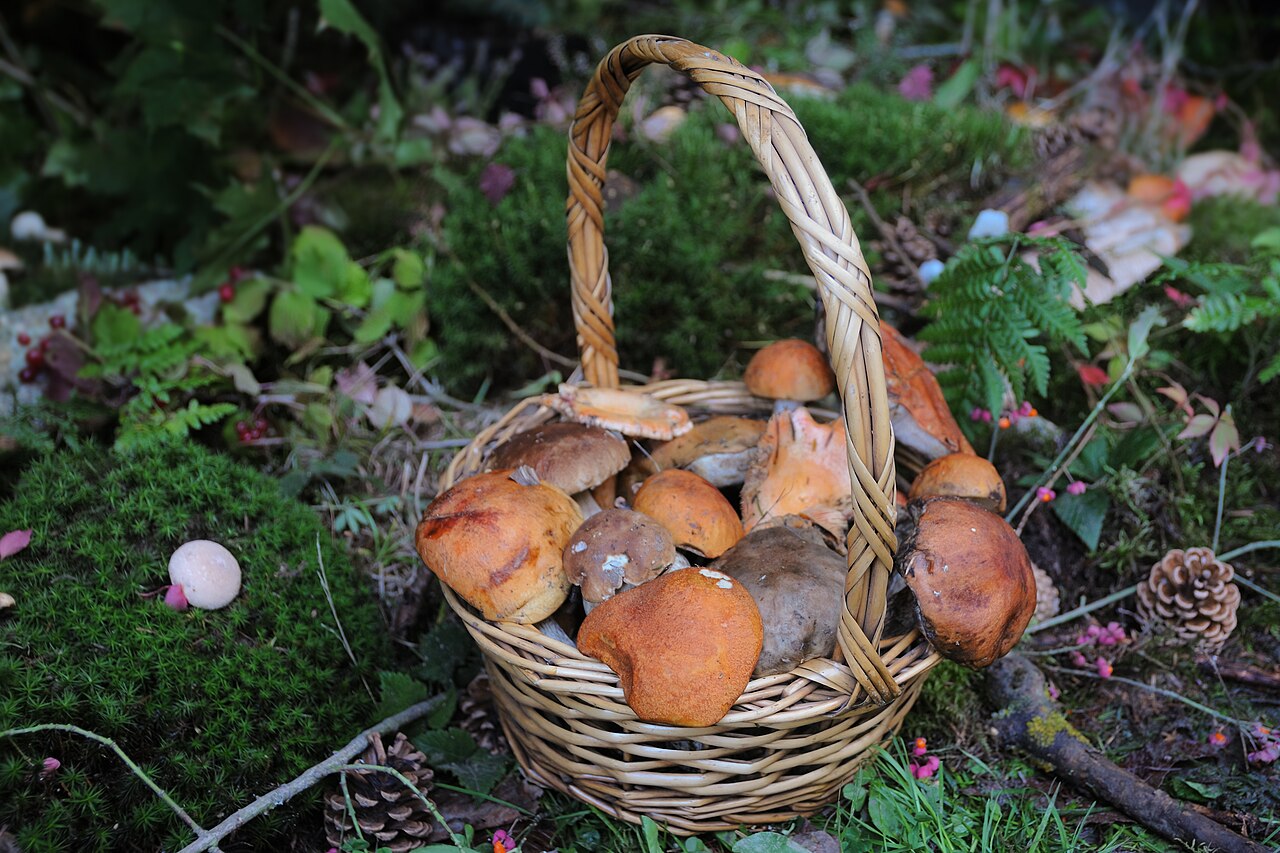
I picked up mushroom foraging in October 2024 because a friend dragged me to a state park and pointed at a chicken of the woods growing on an oak. I cooked it that night and it actually tasted like chicken. I was hooked.
Here's everything I've learned since, and the dumb mistakes I made along the way. I'm not a mycologist. I'm a guy who spends his weekends in the woods with a basket and a pocket knife and comes home with dinner sometimes. If I can figure this out, you can too.
What You Actually Need
I spent $200 on gear my first time out. A fancy foraging vest, a specialized mushroom knife with a boar-hair brush, a hardcover field guide, the works. You need maybe $30 worth of stuff. Here's the real list:
- A basket or mesh bag , NOT a plastic bag. Mushrooms sweat in plastic, and by the time you get home they're a soggy, decomposing mess. A mesh bag also lets spores fall as you walk, which is good for the forest.
- A knife, any pocket knife works. You want to cut mushrooms at the base rather than pulling them out of the ground, partly to keep the mycelium intact and partly so you can check the base for identification.
- A field guide specific to your region , not a global one, not an app. Online resources like MushroomExpert.com are also invaluable. A book written by someone who forages in your area. The species in the Pacific Northwest are different from the Southeast. Get the right book.
- Your phone camera . Photograph everything. Top, bottom, stem, cross-section, habitat. You'll want those photos later when you're comparing at home.
- Comfortable boots . You're going off trail, through underbrush, over logs. Waterproof is a plus since you'll often be out after rain.
That's it. Don't overthink the gear. The forest doesn't care what you're wearing.
Where to Go (And Where Not To)
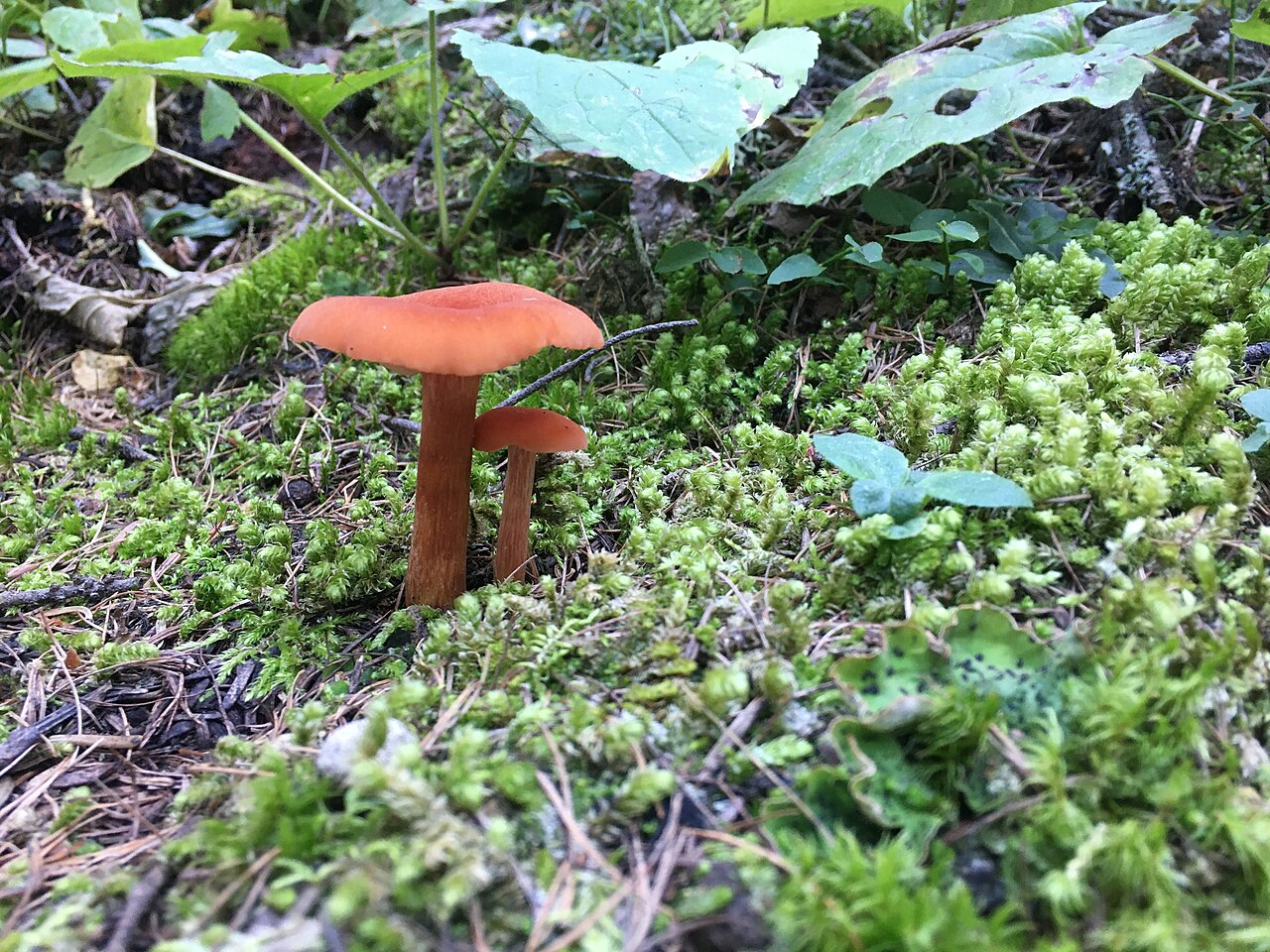
State and national forests are generally your best bet. Most allow foraging for personal use ; no permit needed, just don't show up with a truck. Check the specific forest's regulations before you go, but in my experience most are forager-friendly.
Private land: ask permission. Seriously. Most landowners are cool about it if you ask first. Some will even tell you where the good spots are. Showing up unannounced on someone's property with a knife is a bad look.
City and county parks : check the rules. Many parks prohibit removing any natural material, mushrooms included. Getting a fine for picking a chanterelle is not the foraging story you want to tell.
Places to absolutely avoid: roadsides, golf courses, treated lawns, agricultural fields with pesticide use, and anywhere near industrial sites. Mushrooms are bioaccumulators; they absorb heavy metals, pesticides, and pollutants from the soil. A beautiful porcini growing next to a highway is not the porcini you want to eat.
Timing matters. The best time to forage is 2 to 3 days after heavy rain. Mushrooms need moisture to fruit, and that post-rain window is when everything pops. I check the weather forecast more now than I ever did before I started foraging.
10 Species a Beginner Can Actually Learn
These are species with strong identification features, less dangerous look-alikes to worry about, and (this is important) they actually taste good. There's no point learning a mushroom that's safe but mediocre.
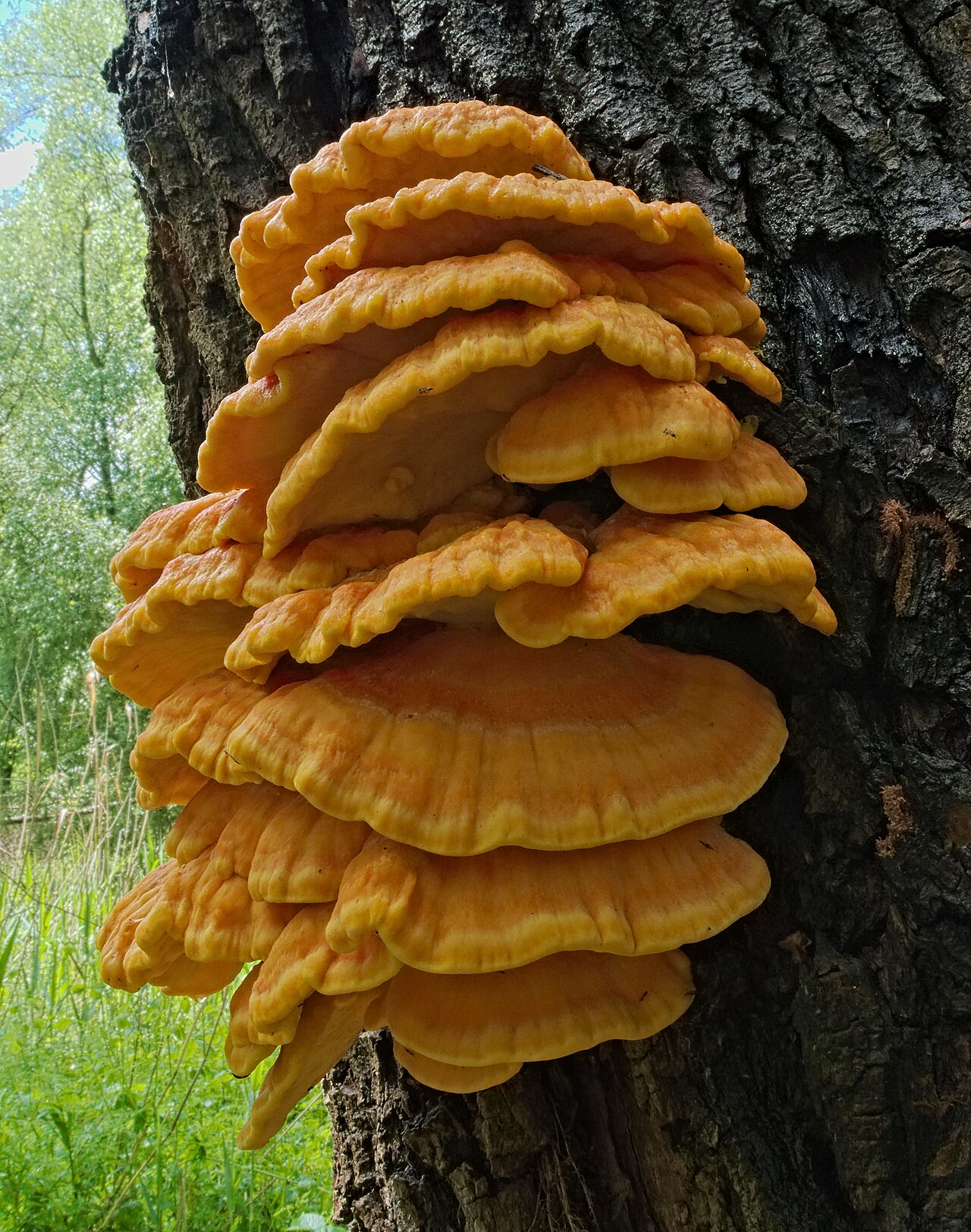
This is the one that got me into foraging. Bright orange and yellow shelves growing right out of a tree trunk; you genuinely cannot miss it. It has no gills, no stem, and nothing else in the forest looks like it. The texture when cooked is shockingly similar to chicken breast. Find it on oaks, cherry, and willow from late summer through fall. If the edges are still tender and bright, you're golden. If it's dried out and chalky, leave it.
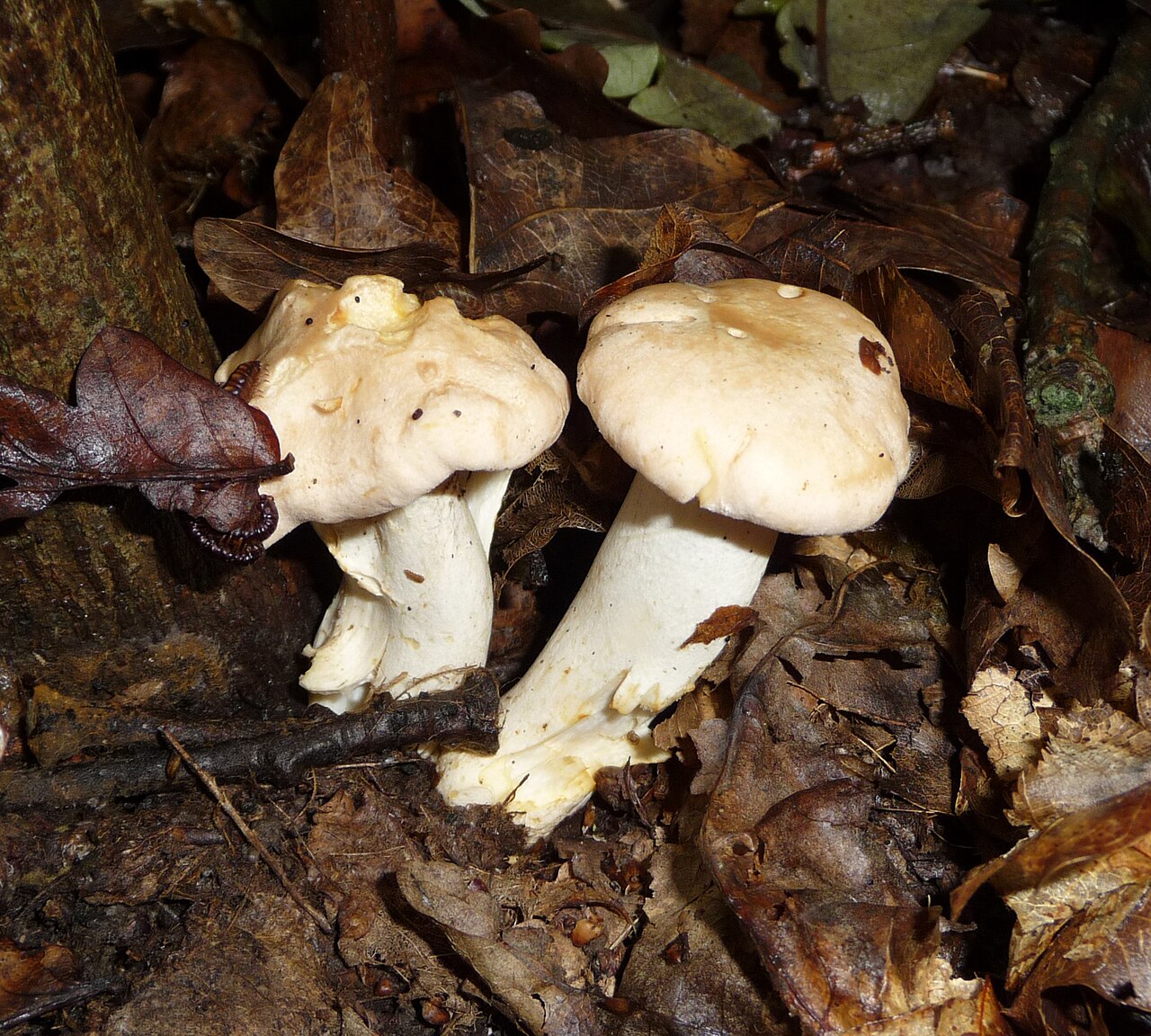
Golden, funnel-shaped, and they smell like apricots. Honestly, the smell alone is worth the hike. The key identification feature is the "false gills": instead of thin blade-like gills, chanterelles have blunt, forking ridges that run down the stem. They grow on the ground near hardwoods, especially oaks and beeches. The main look-alike is the jack-o-lantern mushroom, which grows in clusters on wood and has true gills. Once you've seen both side by side, you'll never confuse them.
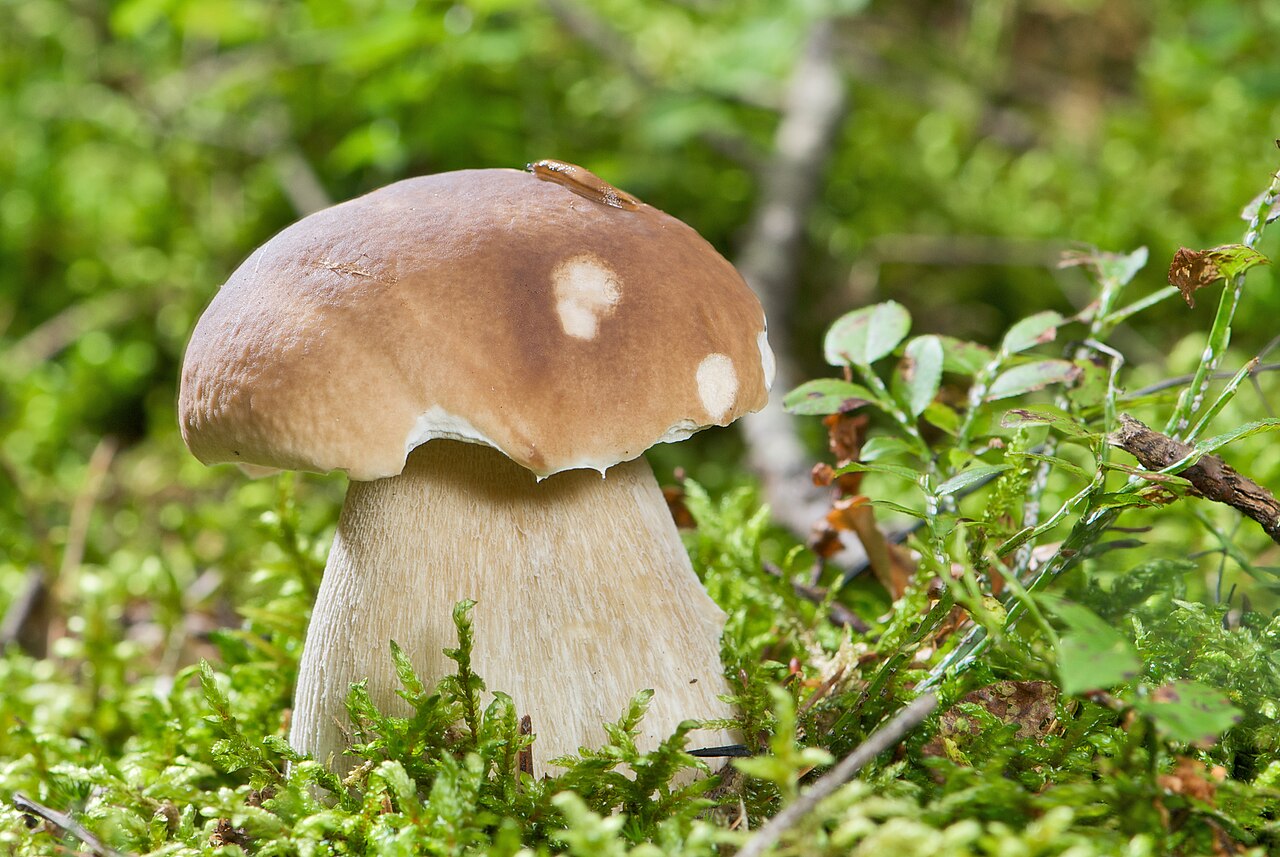
Thick, sturdy stem with a brown cap and a spongy pore surface underneath instead of gills. That sponge layer is your best friend; it immediately tells you you're in bolete territory. Porcini grow on the ground near conifers and some hardwoods. They're one of the most prized culinary mushrooms in the world, and finding a fresh one feels like finding buried treasure. Check for worm holes in the stem; older specimens get buggy fast.
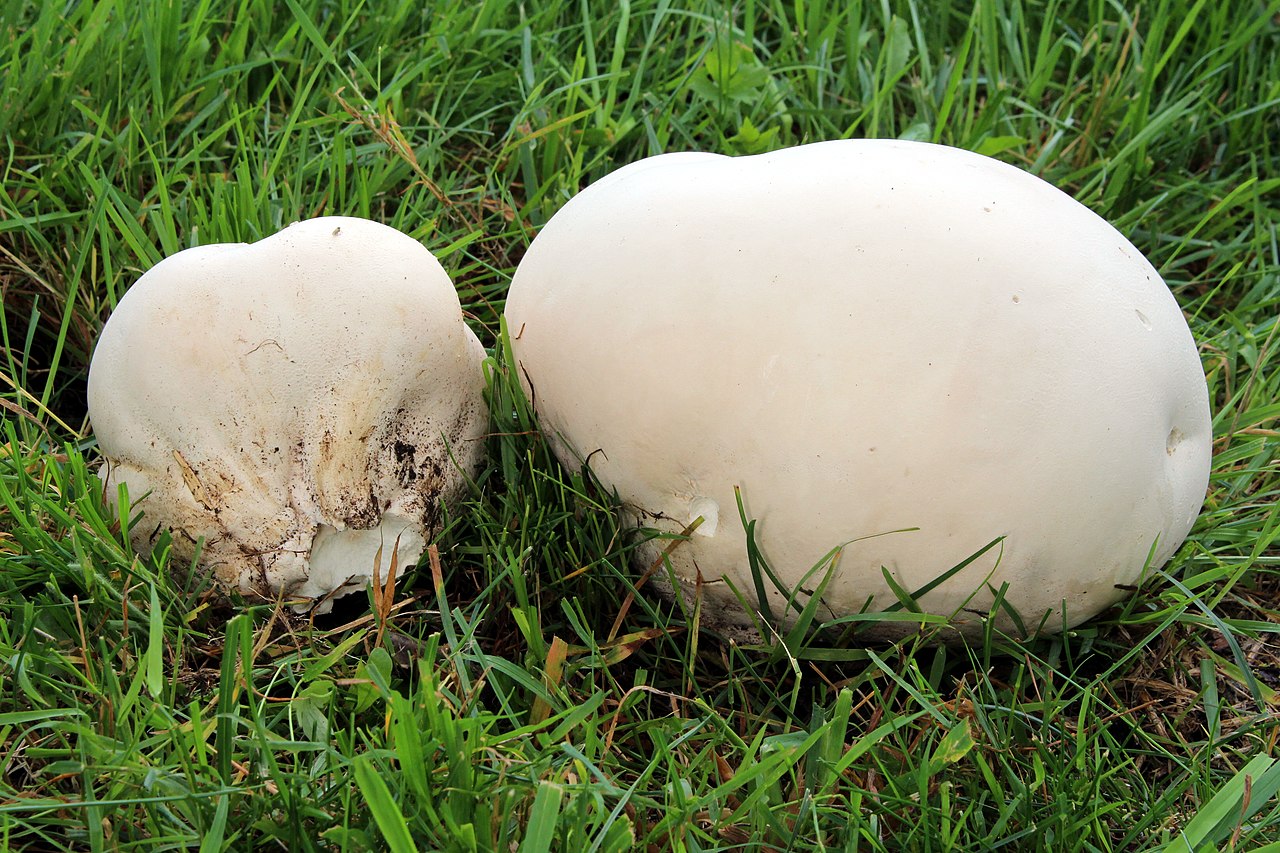
Here's the rule: if it's bigger than your head, round, white, and pure white inside when you slice it open, it's a giant puffball and it's edible. That's it. If the inside has any color (yellow, brown, purple) or if you can see the outline of a tiny mushroom forming inside, put it down. Slice them into steaks and pan-fry in butter. They grow in meadows, lawns, and field edges from late summer into fall.
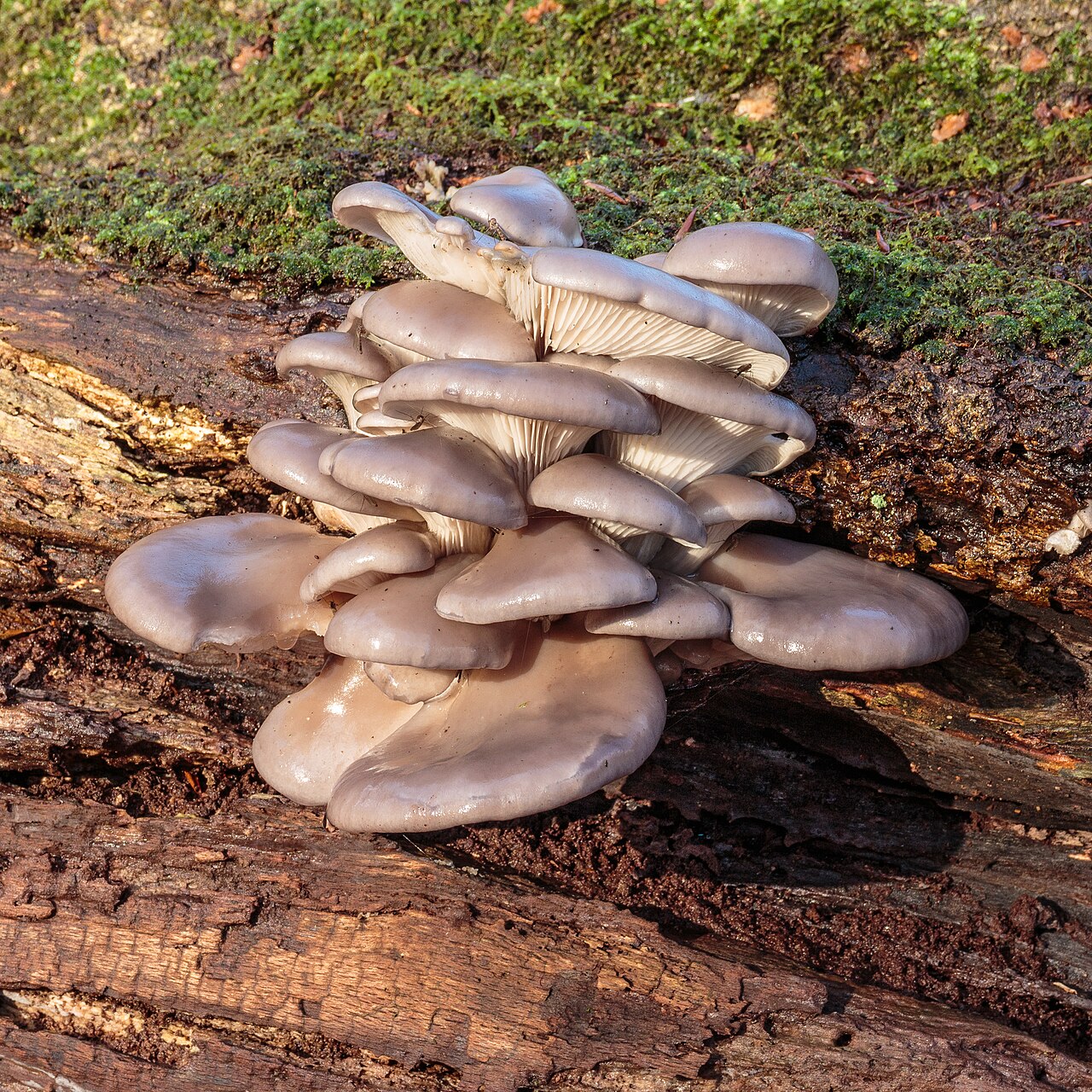
These grow in overlapping shelf clusters on dead or dying hardwoods, especially beech, aspen, and oak. White to pale gray, with a short offset stem and gills that run down to the attachment point. They're one of the easiest mushrooms to identify in the wild and one of the most versatile in the kitchen. You can find them almost year-round in mild climates. The angel wing mushroom looks similar but grows on conifers and is thinner; stick to hardwoods and you're safe.
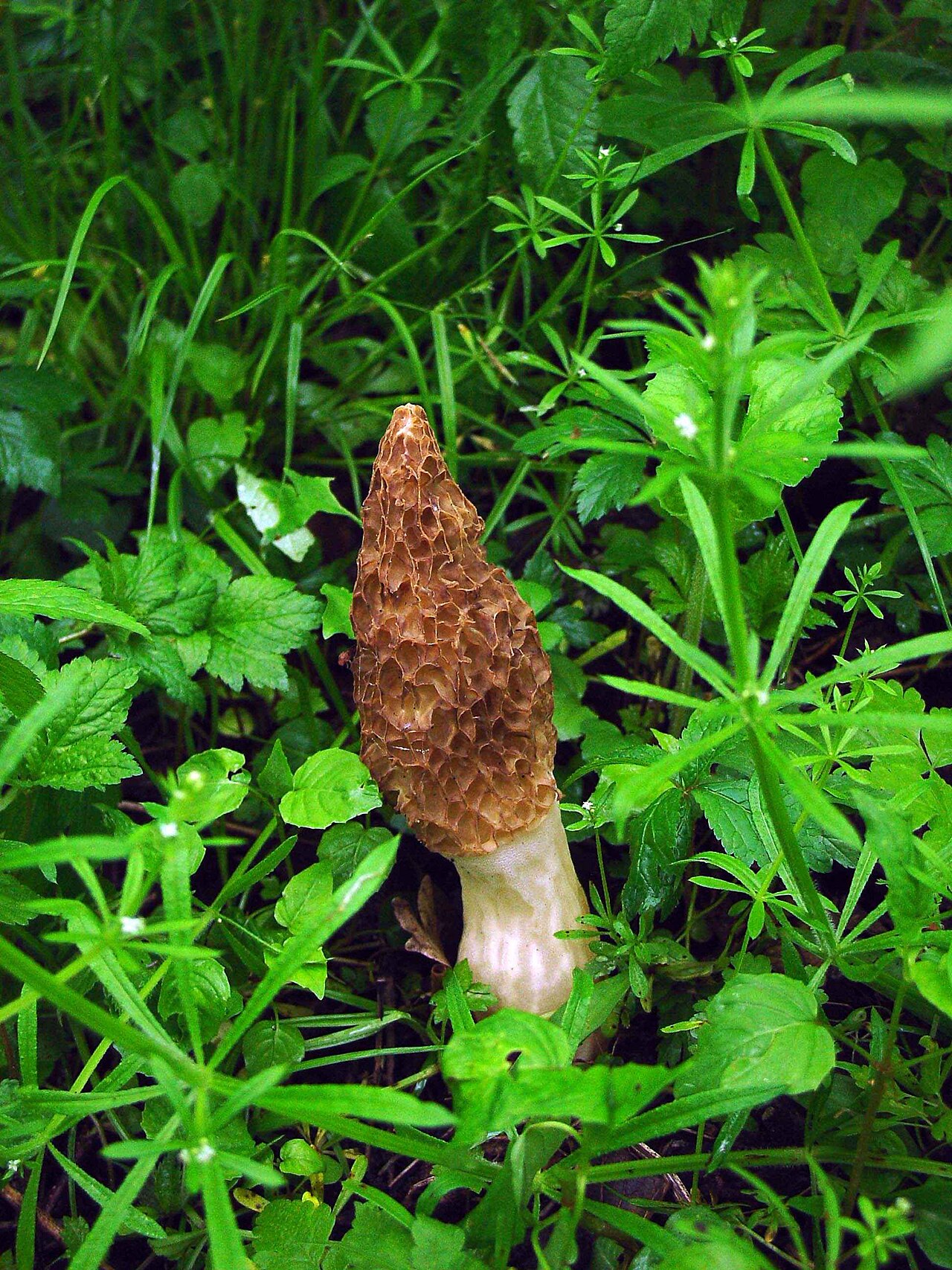
Morels
The holy grail for a lot of foragers. Honeycomb-textured cap, hollow from top to bottom when you slice them lengthwise. That hollow interior is the critical ID check; false morels (Gyromitra species) have cottony or chambered insides. Morels fruit in spring, often near dead elms, tulip poplars, and in old orchards. They're also notorious for popping up in burn areas the year after a forest fire. Learn the false morels before you go morel hunting. This one matters.
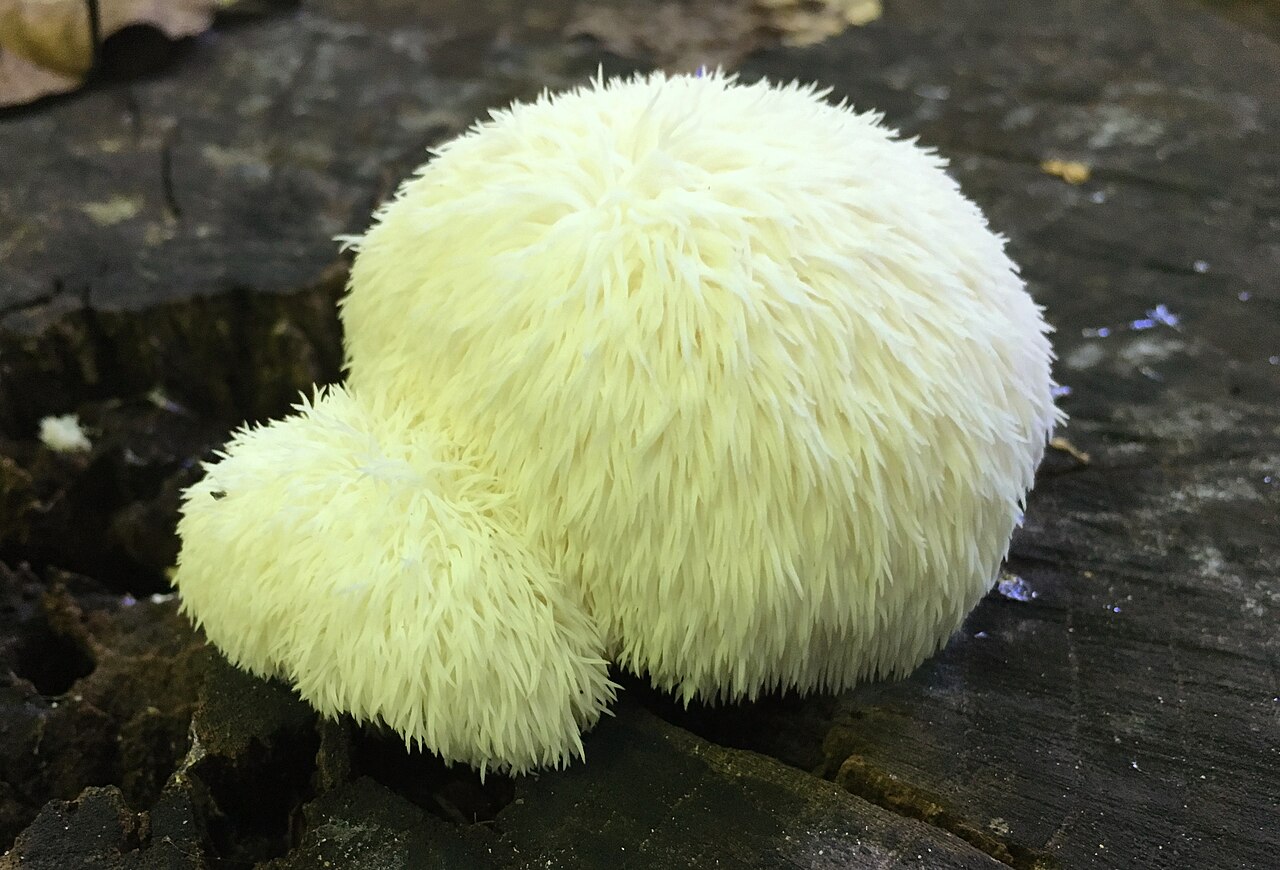
Look, this mushroom looks like a white waterfall of icicles hanging off a tree. There is nothing else in the forest that looks remotely like it. It grows on dead or dying hardwoods, especially beech and oak. It has a mild, sweet, lobster-like flavor and a meaty texture. It's also one of the mushrooms with the most research behind its potential cognitive benefits, but I'm a forager, not a doctor. I just know it tastes incredible sauteed in butter with garlic.
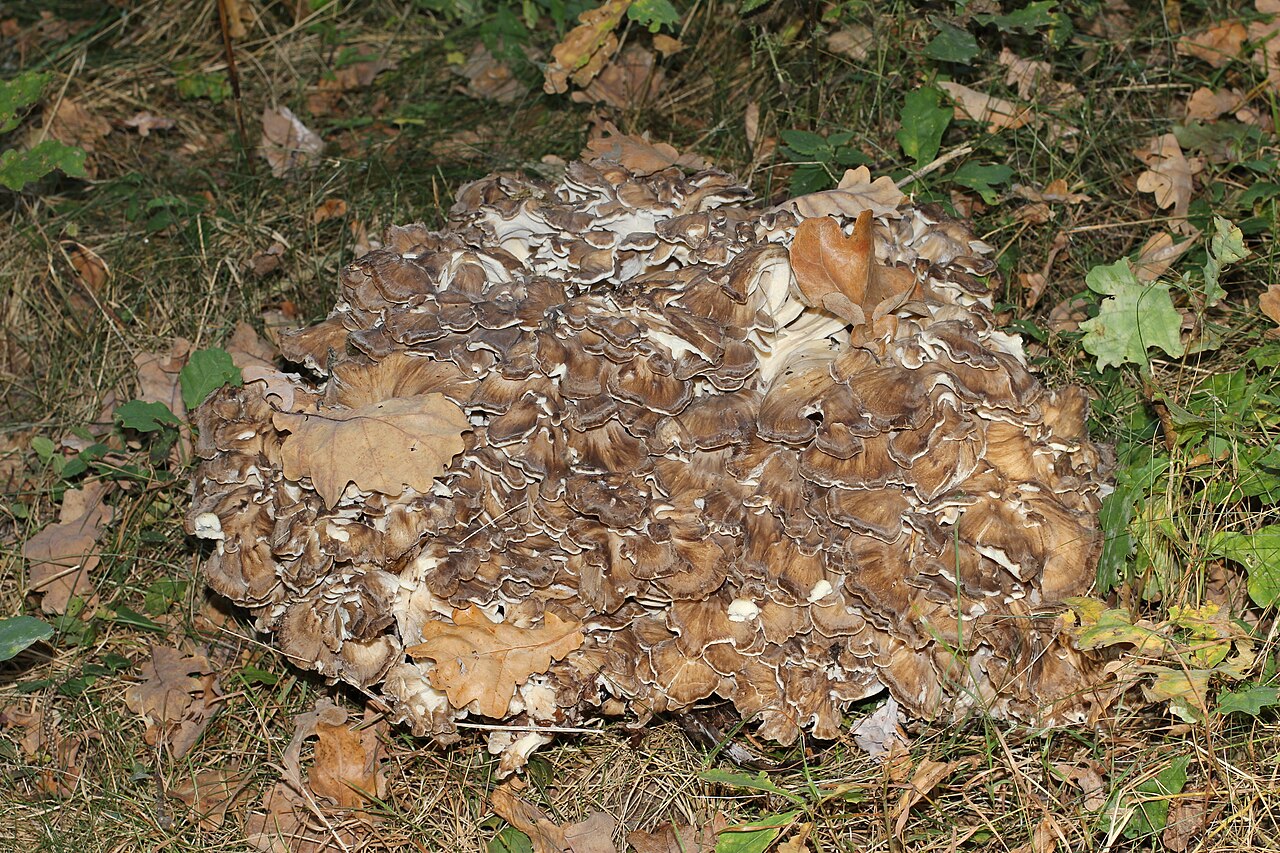
A massive rosette of overlapping gray-brown caps growing at the base of oak trees. These can get huge. I've seen specimens over 20 pounds. They fruit in fall, often returning to the same tree year after year. The texture holds up beautifully when cooked, with crispy edges and a rich, earthy flavor. Some foragers guard their maitake trees like state secrets. Once you find a productive one, you'll understand why.
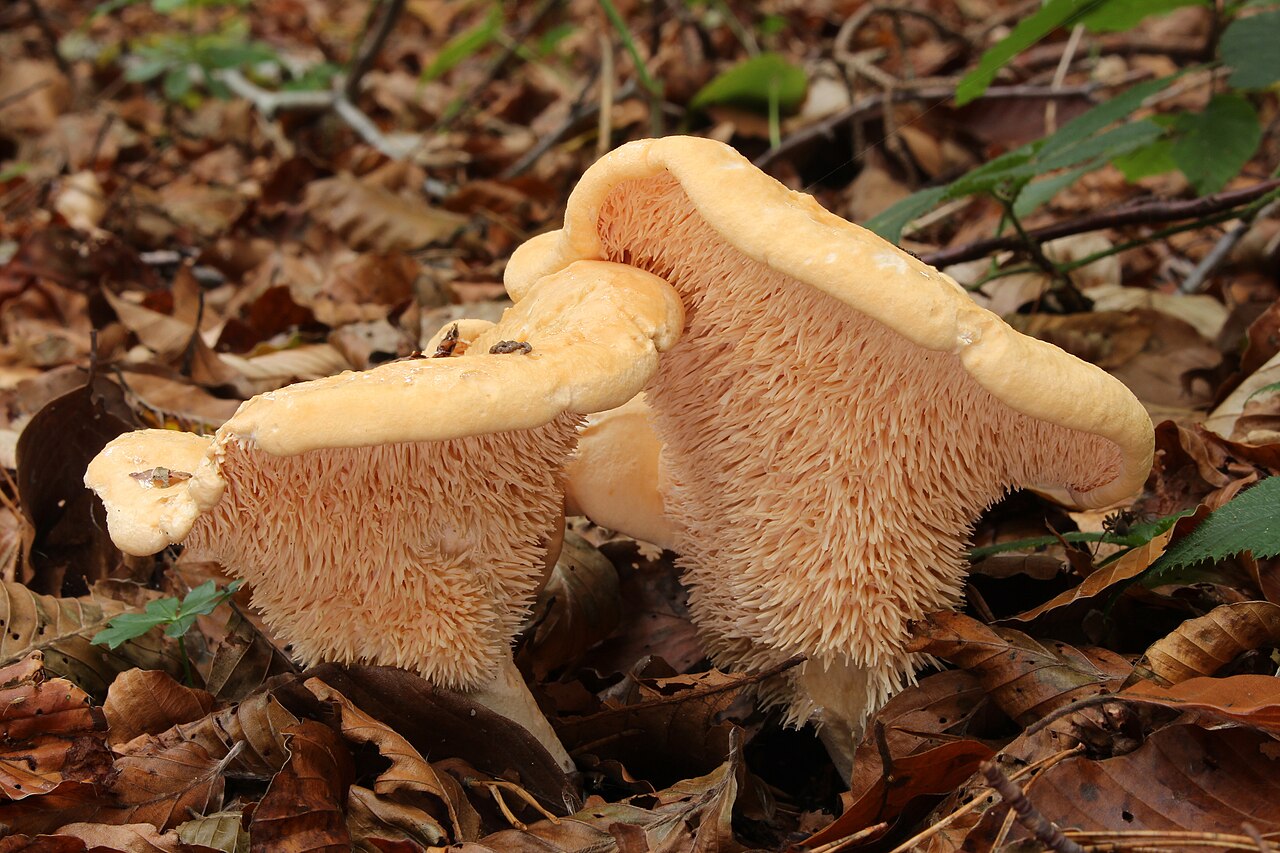
Instead of gills or pores, the underside of the cap is covered in tiny teeth-like spines. That's the whole ID. Nothing dangerous has teeth like that. The cap is pale orange to cream-colored, and they grow on the ground in mixed forests. Mild, nutty flavor. These are maybe the single safest wild mushroom for a beginner to learn because the teeth feature is so distinctive and there are no dangerous look-alikes with that characteristic.
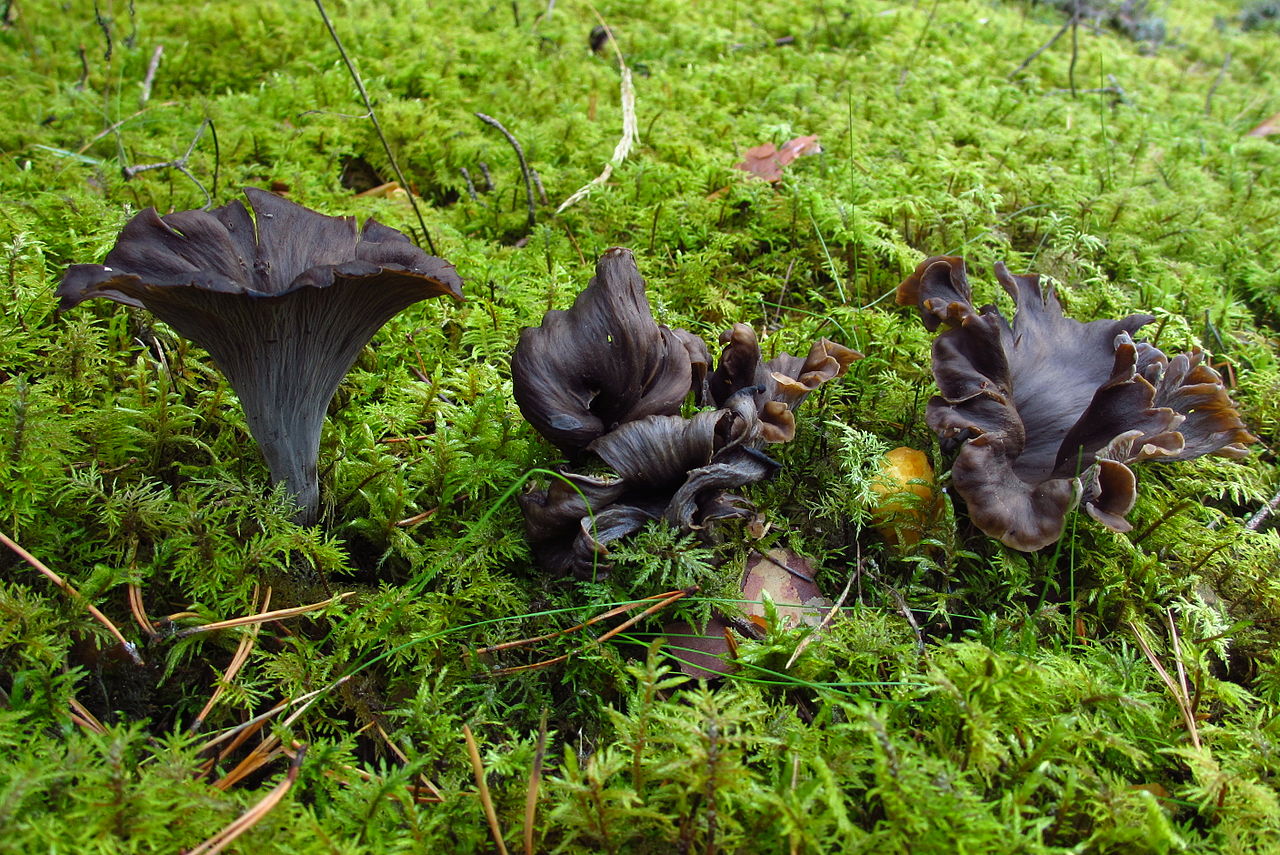
Dark gray to black, funnel-shaped, thin-fleshed, and growing in clusters on the ground near oaks and beeches. They have no gills; the outer surface is smooth or slightly wrinkled. They're hard to spot because they blend in with leaf litter, but the smell gives them away: rich, fruity, almost smoky. There are no dangerous look-alikes. Dried black trumpets are incredible crumbled over pasta. The French call them "trumpets of death" because of the color, which is terrible marketing for an amazing mushroom.
The Mistakes I Made (So You Don't Have To)
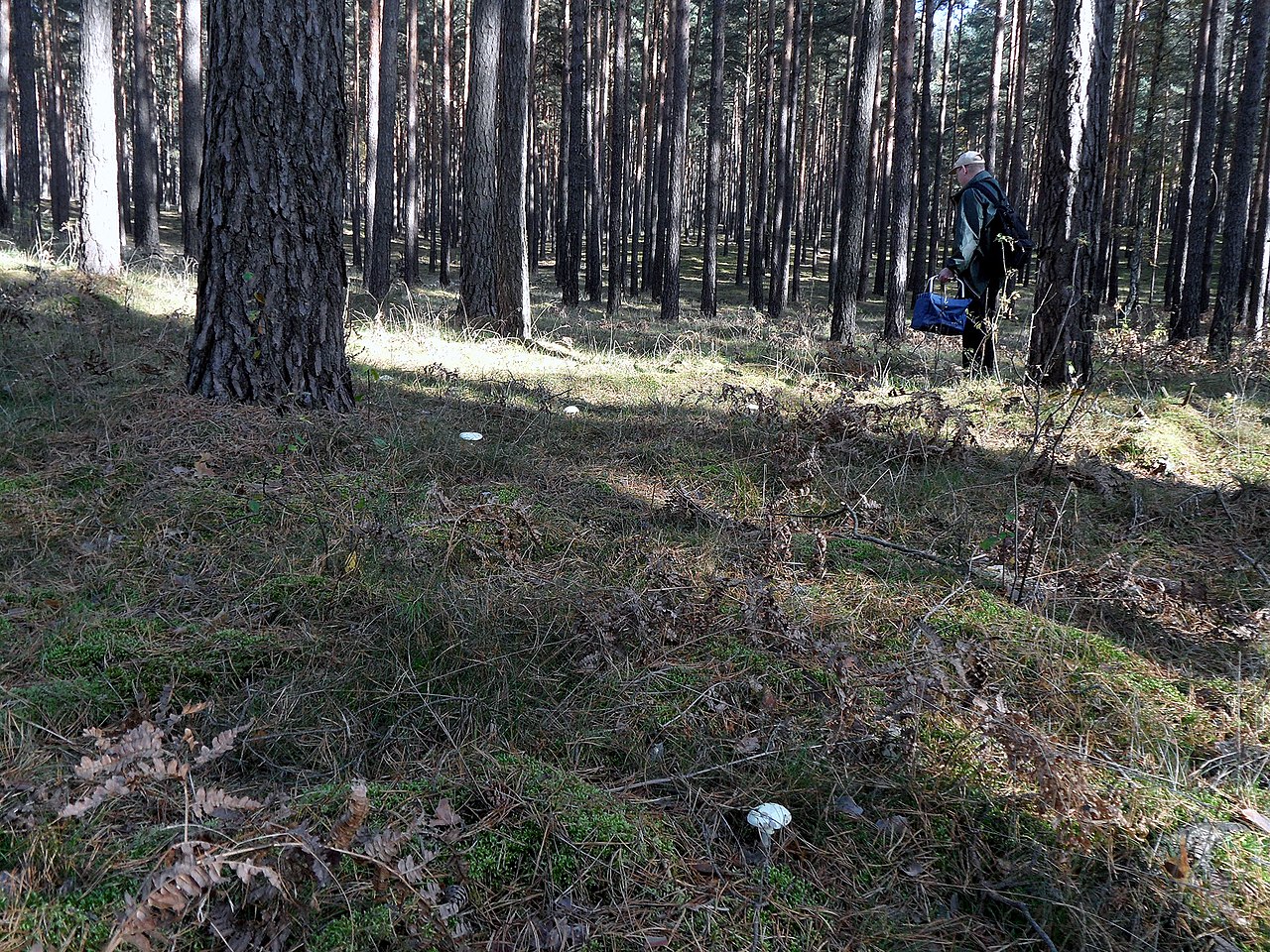
Honestly, I'm a little embarrassed writing this section. But if it saves one person from a stomach ache, or worse, it's worth it.
Mistake #1: The plastic bag. My first real haul was about two pounds of oyster mushrooms. Beautiful specimens. I put them in a plastic grocery bag, hiked for another hour, drove home. By the time I opened the bag they were sweating, slimy, and half of them were already breaking down. Two pounds became maybe a half pound of usable mushroom. Get a basket.
Mistake #2: Trusting an app. I used a mushroom ID app to identify what I thought was a parasol mushroom. The app said 92% match. It was actually Chlorophyllum molybdites, the “vomiter.” It's the most commonly consumed poisonous mushroom in North America. I didn't eat it, but only because I happened to double-check with my field guide. Apps are fun. Apps are not field guides. And they are definitely not a reason to put something in your mouth.
Mistake #3: Not checking the base. I found what looked like a nice white mushroom, round cap, clean gills. I sliced it at ground level and took it home. Later I learned that Amanita species, including the death cap, have a volva (a cup-like structure) at the very base of the stem, underground. If you don't dig up the whole mushroom to check the base, you can miss the single most important identification feature. I got lucky. Don't rely on luck.
Mistake #4: Getting greedy. I found a patch of something that looked edible and picked about 40 of them. I wasn't 100% sure what they were, but there were so many that I figured they must be common and therefore safe. That's not how any of this works. Abundance doesn't equal safety. I threw them all out when I couldn't get a confident ID at home.
My rule now: if I'm not 100% certain, it goes back on the ground. And I have less regrets about leaving a good mushroom behind than I would about eating a bad one.
The Golden Rules
- Never eat anything you can't identify with 100% confidence. Not 95%. Not “pretty sure.” One hundred percent. There are mushrooms that will kill you, and they look ordinary. If someone does eat an unknown mushroom, contact Poison Control immediately. This is the one rule that matters more than all the others combined.
- When you find a new species, take it home and verify against three sources. Photograph it in the field. Take a spore print at home. Compare to your field guide, a second reference, and ideally confirm with an experienced forager or mycological society. Three sources, minimum.
- Cook everything. Even confirmed edible species can cause gastrointestinal reactions when eaten raw. Some, like morels, are mildly toxic until cooked. Just cook them. It's not a salad.
- Start with ONE species. Master it. Learn every feature, every look-alike, every habitat cue. Then move to the next. Trying to learn ten species at once is how you end up confusing them. I started with chicken of the woods and didn't move on for two months.
- Join a local mycological society. The people are weird and wonderful. They'll take you on group forays, answer your dumb questions without judgment, and teach you more in one afternoon than you'll learn in a month of solo trips. And most of them bring incredible mushroom dishes to share at meetings. It's a whole thing.
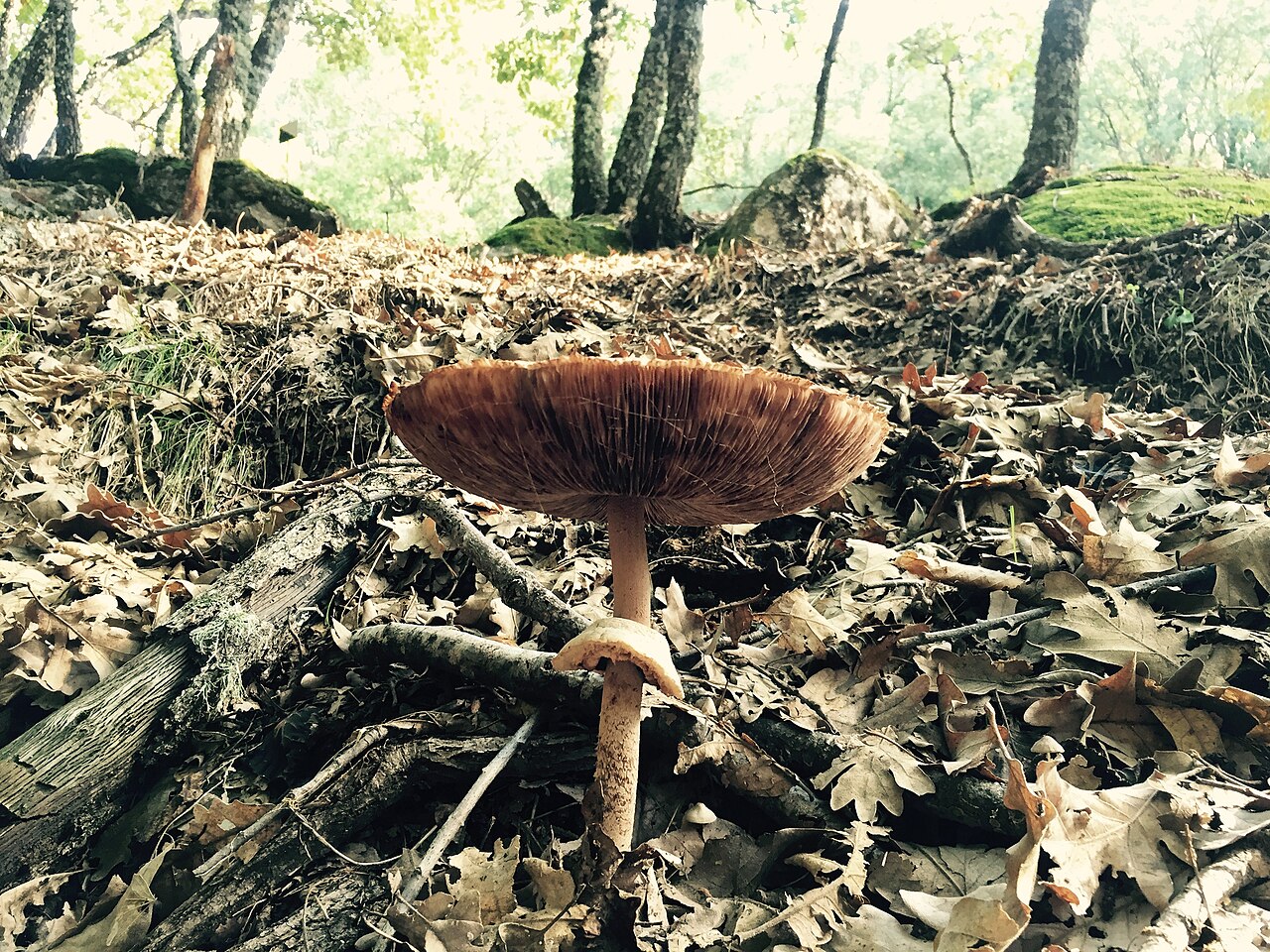
Foraging changed how I see the forest. What used to be just trees and dirt is now full of life I never noticed: networks of mycelium under every footstep, tiny fungi breaking down fallen logs, massive maitake rosettes hiding in plain sight at the base of oaks I'd walked past a hundred times.
Get out there. Bring a basket. Take it slow. And if something doesn't look right, leave it. The forest will still be there next weekend.
Found something on a hike and not sure what it is? Orangutany can help you identify mushrooms from a photo.