Best Edible Wild Mushrooms
By Varun Vaid · Orangutany
These are the mushrooms that foragers dream about. Some are worth hundreds of dollars per pound, others grow in your backyard. All of them are delicious, if you know what you're looking for. Accurate species identification is critical for safe foraging — resources like MushroomExpert.com provide detailed field guides, and understanding mushroom toxicity is essential before eating any wild species.
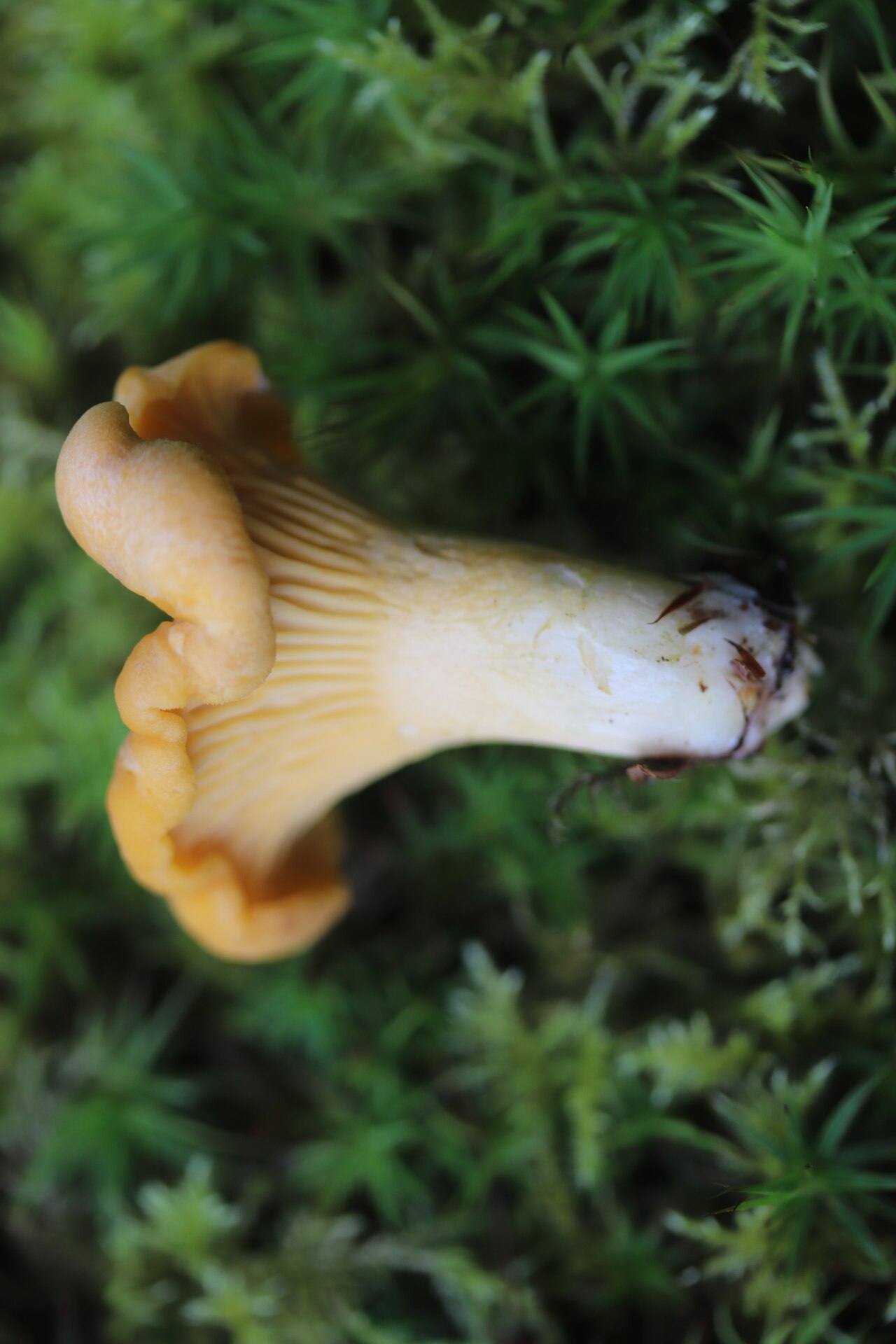
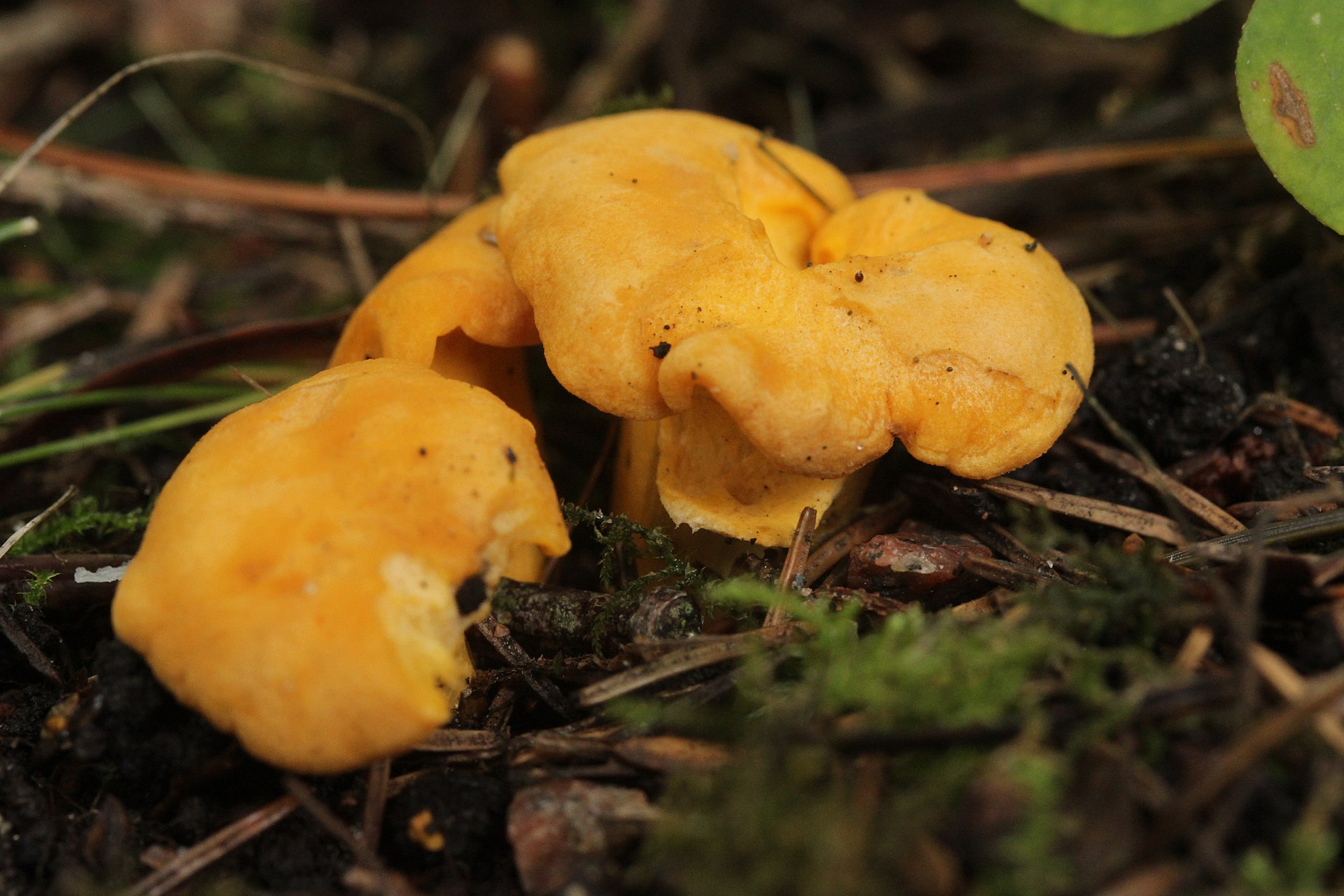
Golden Chanterelle
Cantharellus cibarius
The golden ticket of wild mushroom foraging. Chanterelles are the one mushroom that turns casual hikers into obsessive forest-crawlers who guard their secret spots like buried treasure.
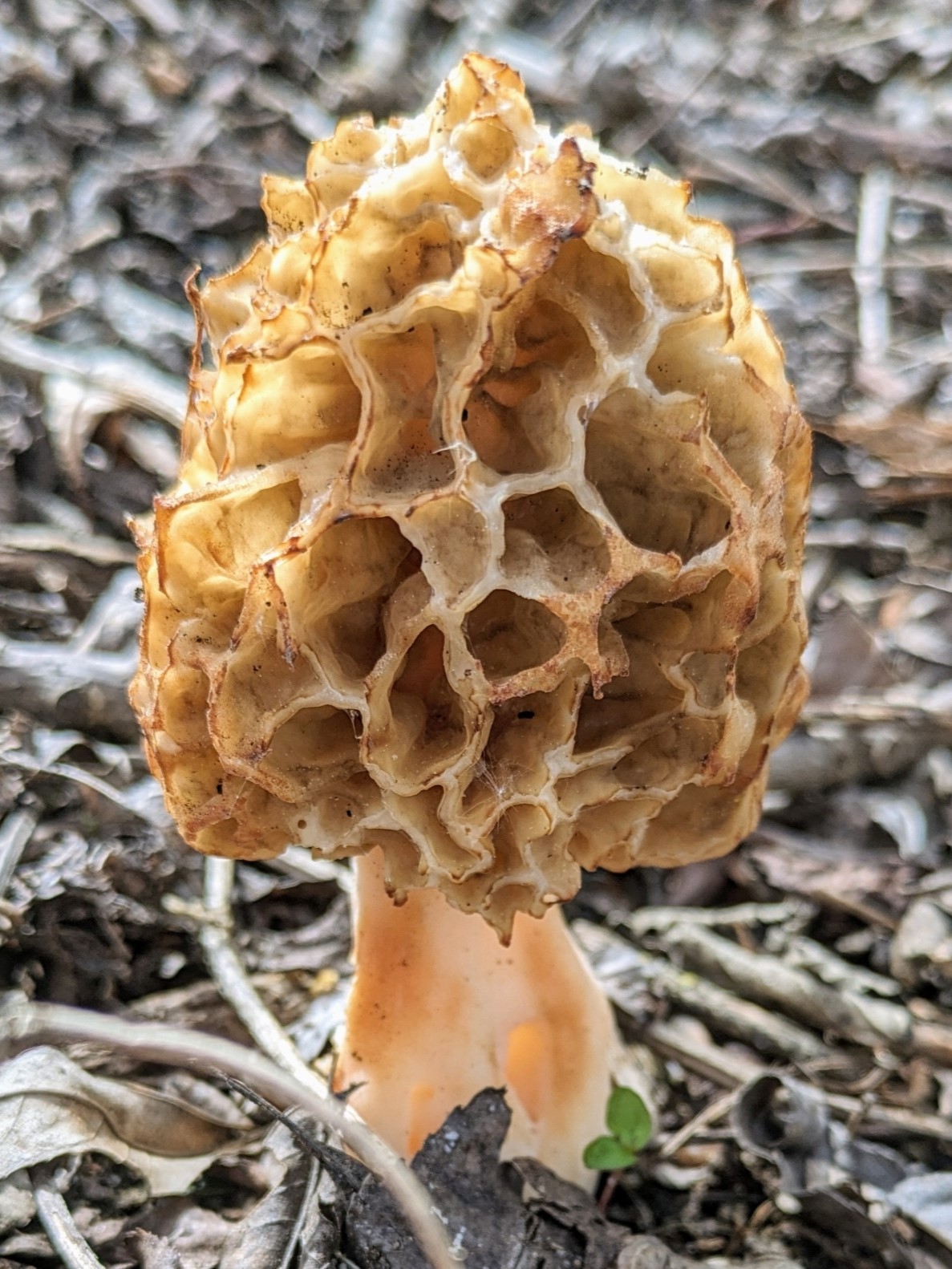
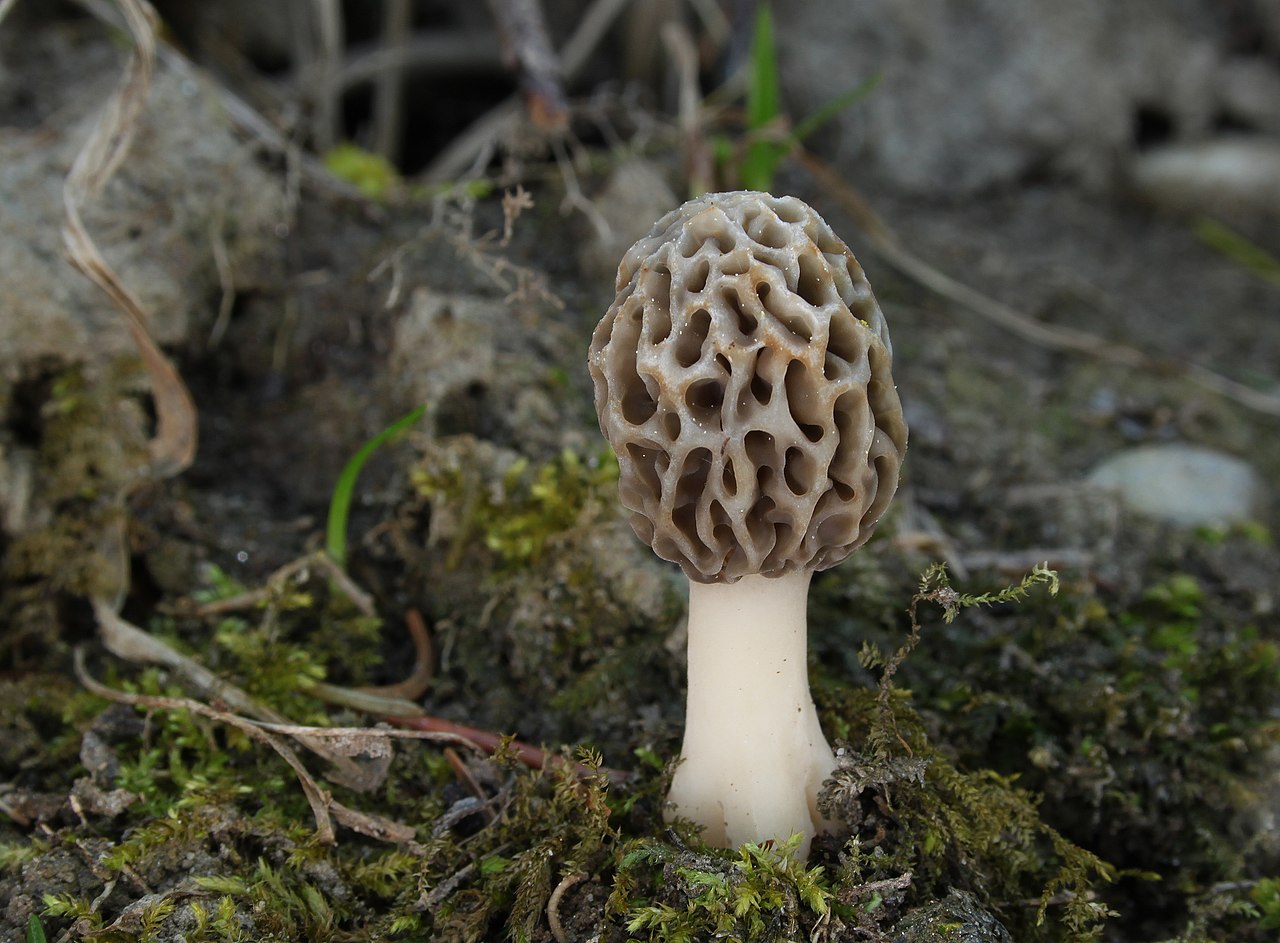
Common Morel
Morchella esculenta
The morel is the mushroom that turns normal people into obsessive treasure hunters every spring — but eat one raw and you'll spend the night in the bathroom. Cook it properly, though, and you've got one of the most prized ingredients in fine dining.
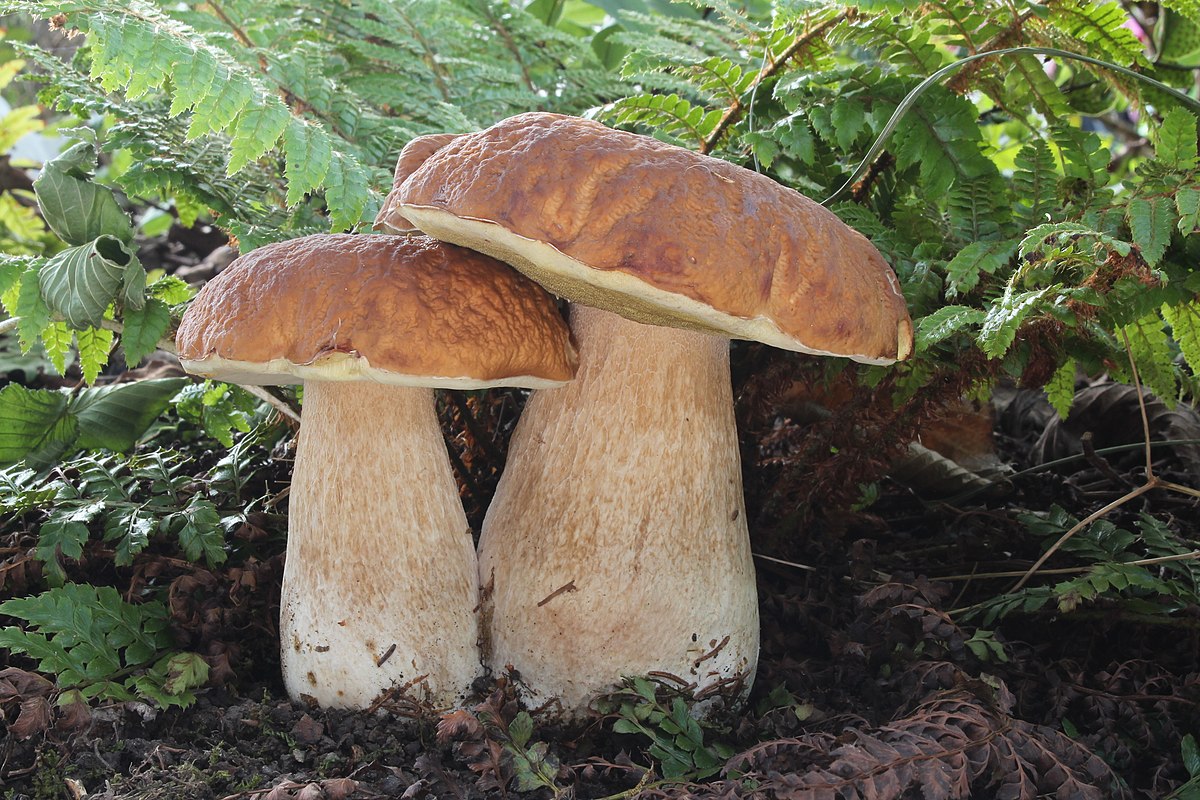
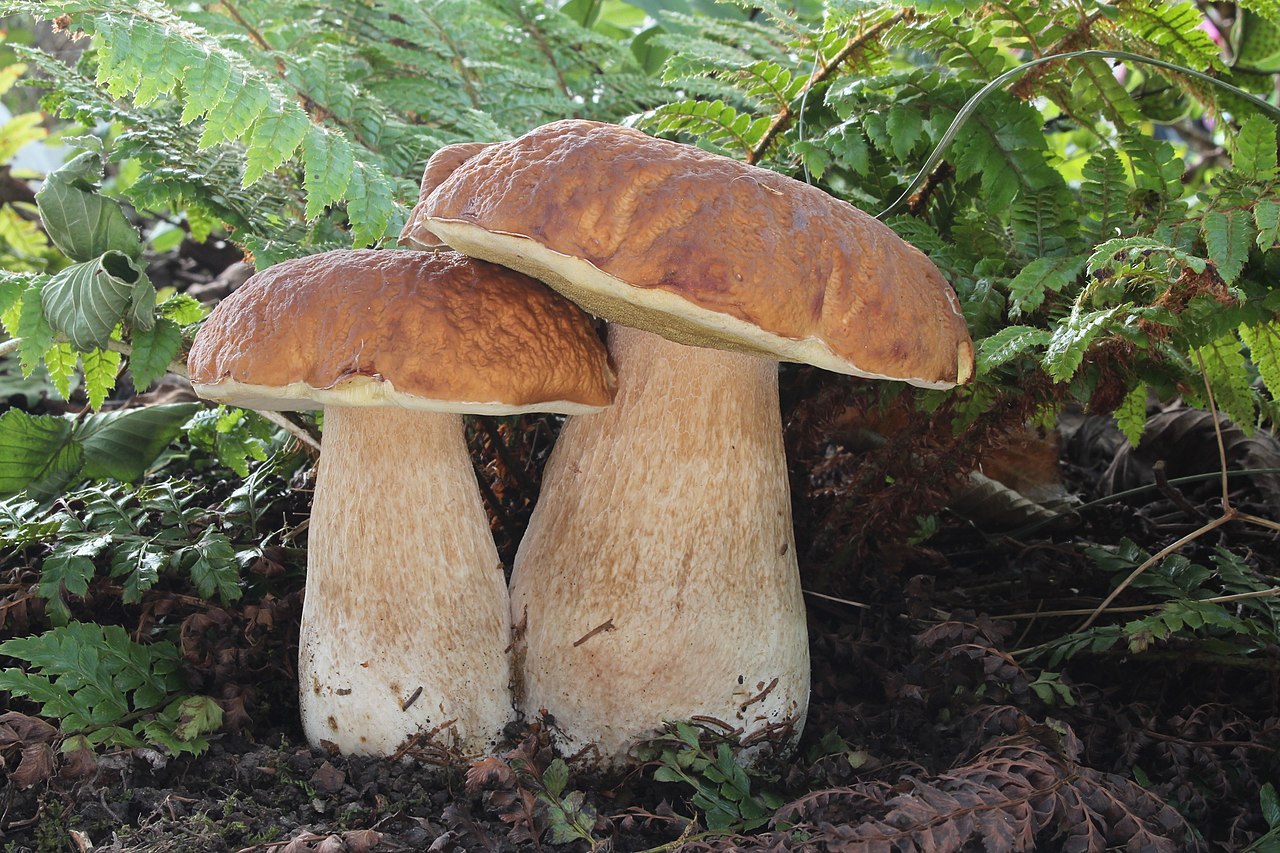
Porcini
Boletus edulis
The undisputed king of edible mushrooms. Porcini — also called King Bolete or Cep — is so outrageously delicious that Italians have built an entire economy around it, foragers guard their spots like state secrets, and despite centuries of trying, nobody has figured out how to farm it.
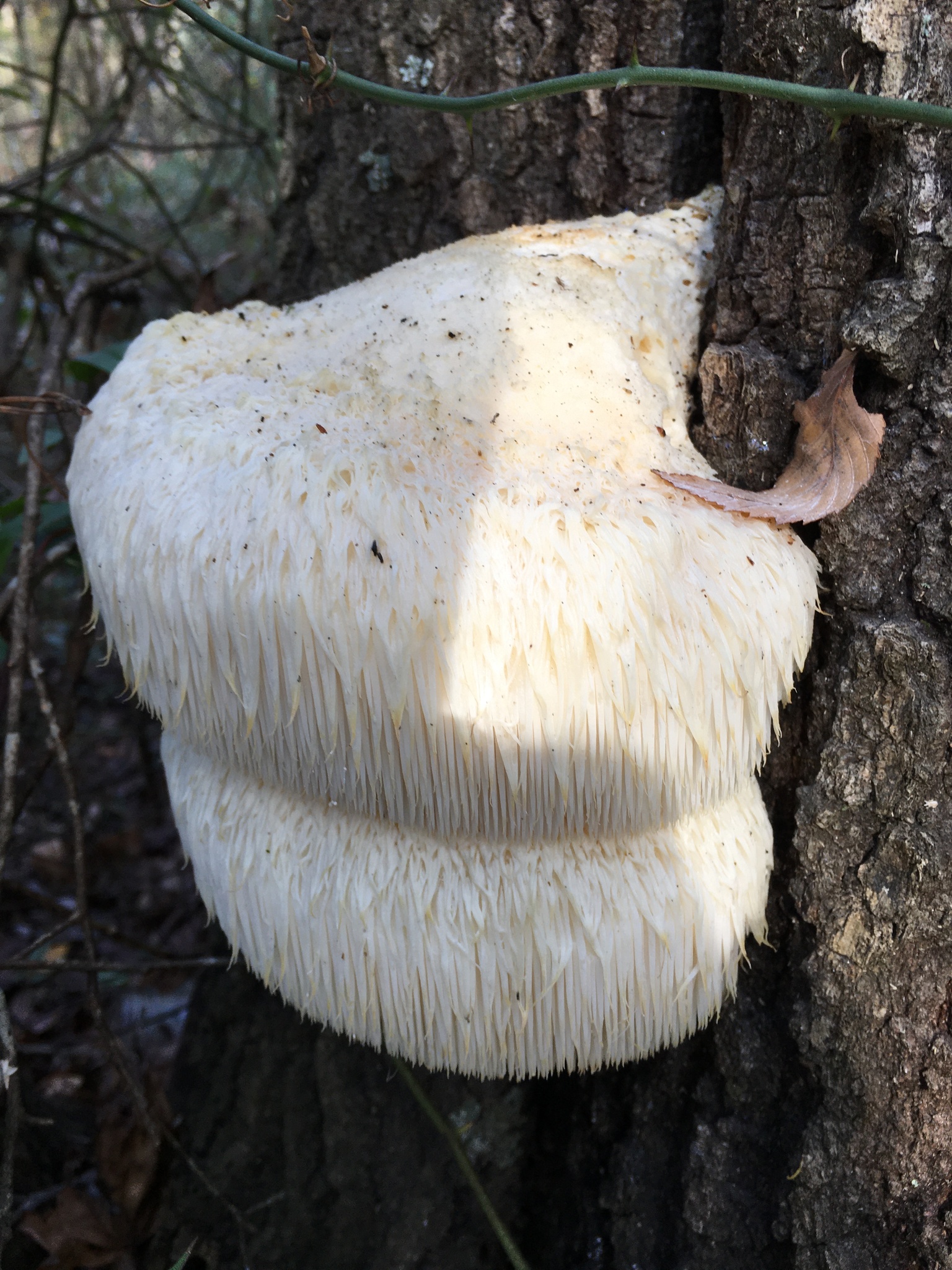
Lion's Mane
Hericium erinaceus
Imagine a white waterfall frozen mid-cascade on the side of a tree. That's Lion's Mane — a bizarre, shaggy mushroom that looks like a wizard's beard and has Silicon Valley convinced it can supercharge your brain.
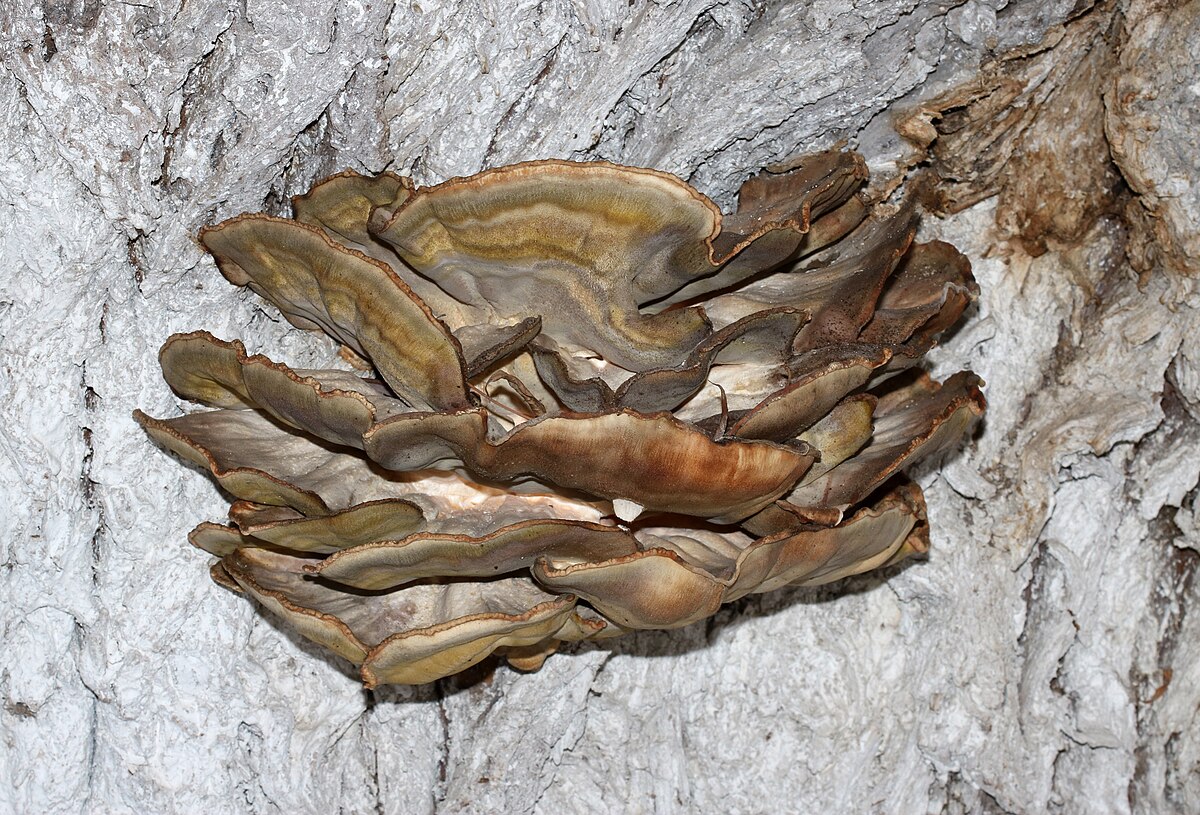
Chicken of the Woods
Laetiporus sulphureus
This one literally tastes like chicken — but some people get sick from it, especially if it's growing on the wrong tree. Stick to specimens from oak, cook it well, and try a small piece first. Get that right, and it's one of the most beginner-friendly wild edibles out there.
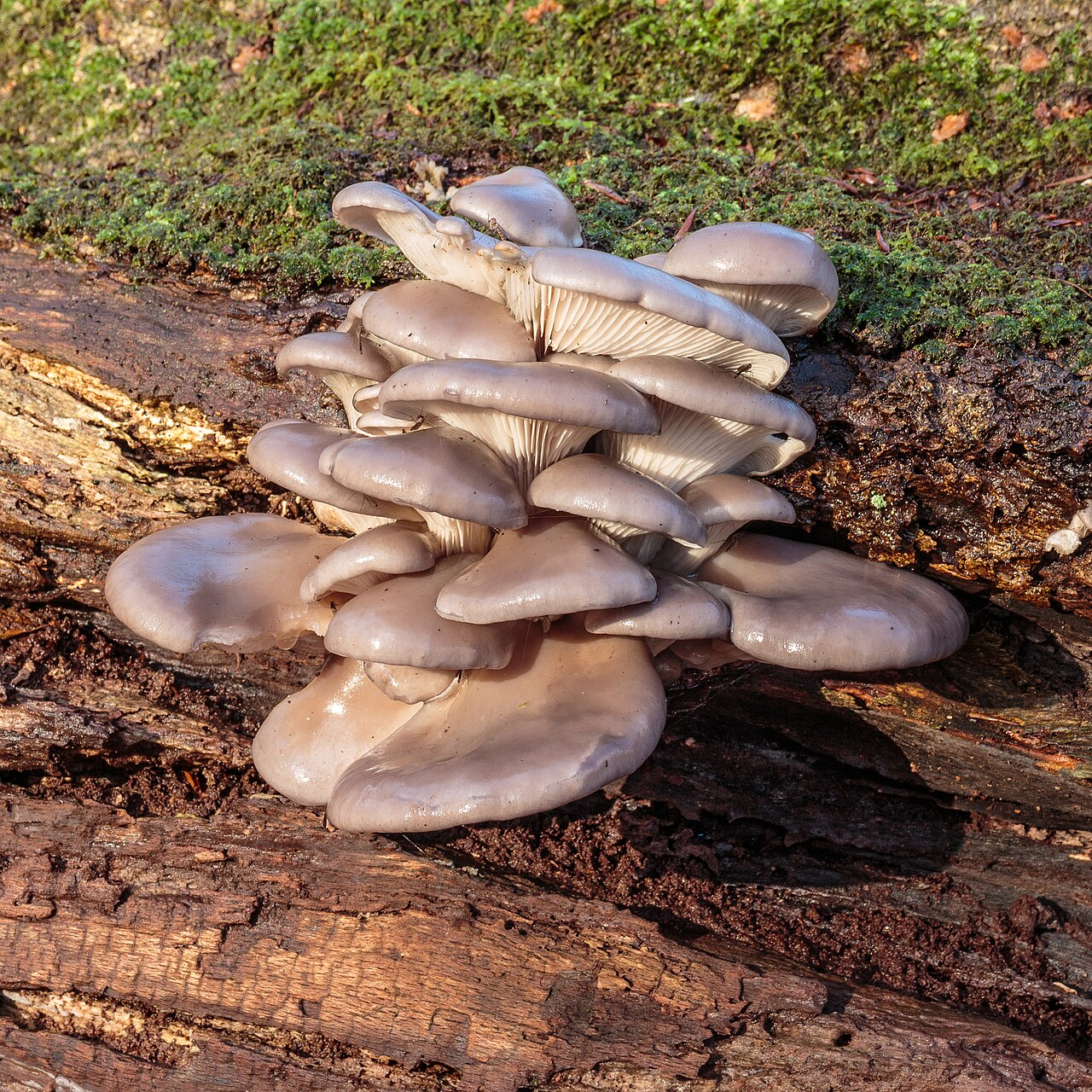
Oyster Mushroom
Pleurotus ostreatus
The beginner's best friend. Oyster mushrooms are one of the easiest wild mushrooms to identify, one of the simplest to grow at home, and one of the most delicious to eat. They fruit on dead and dying hardwood trees across six continents — and if you've never foraged before, this is a fantastic place to start.
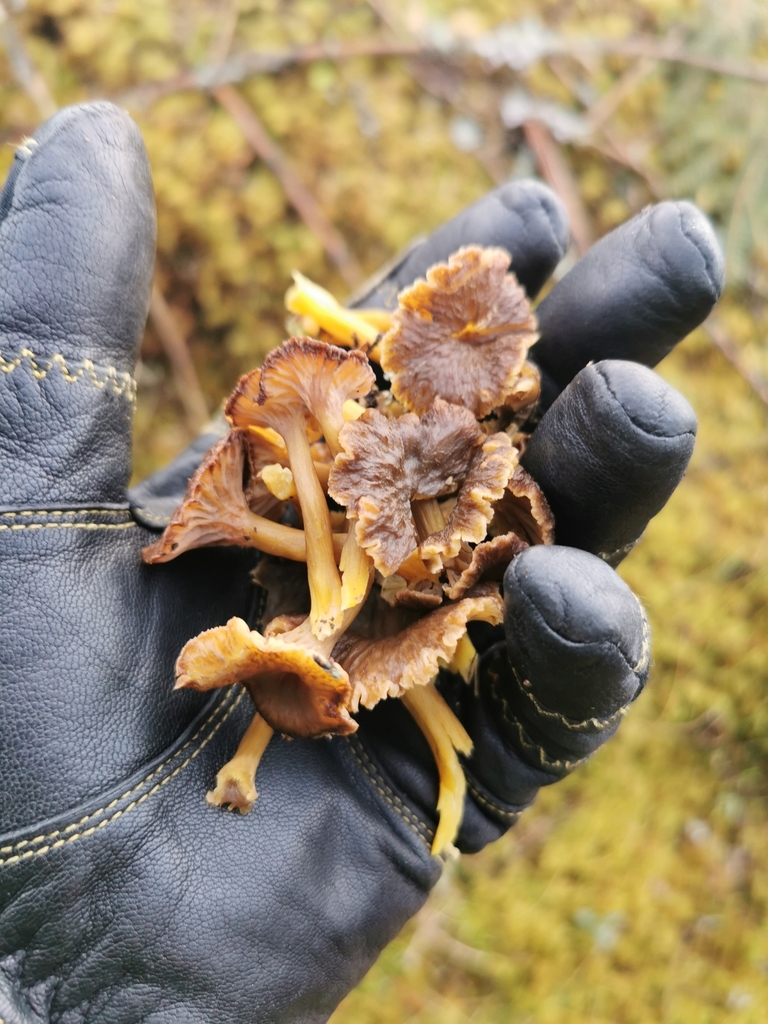
Trumpet Chanterelle
Craterellus tubaeformis
A slender, funnel-shaped chanterelle that carpets mossy conifer forests in autumn. Taxonomists recently moved this species from Cantharellus to Craterellus, but foragers still call it what they always have: a reliable late-season treasure.
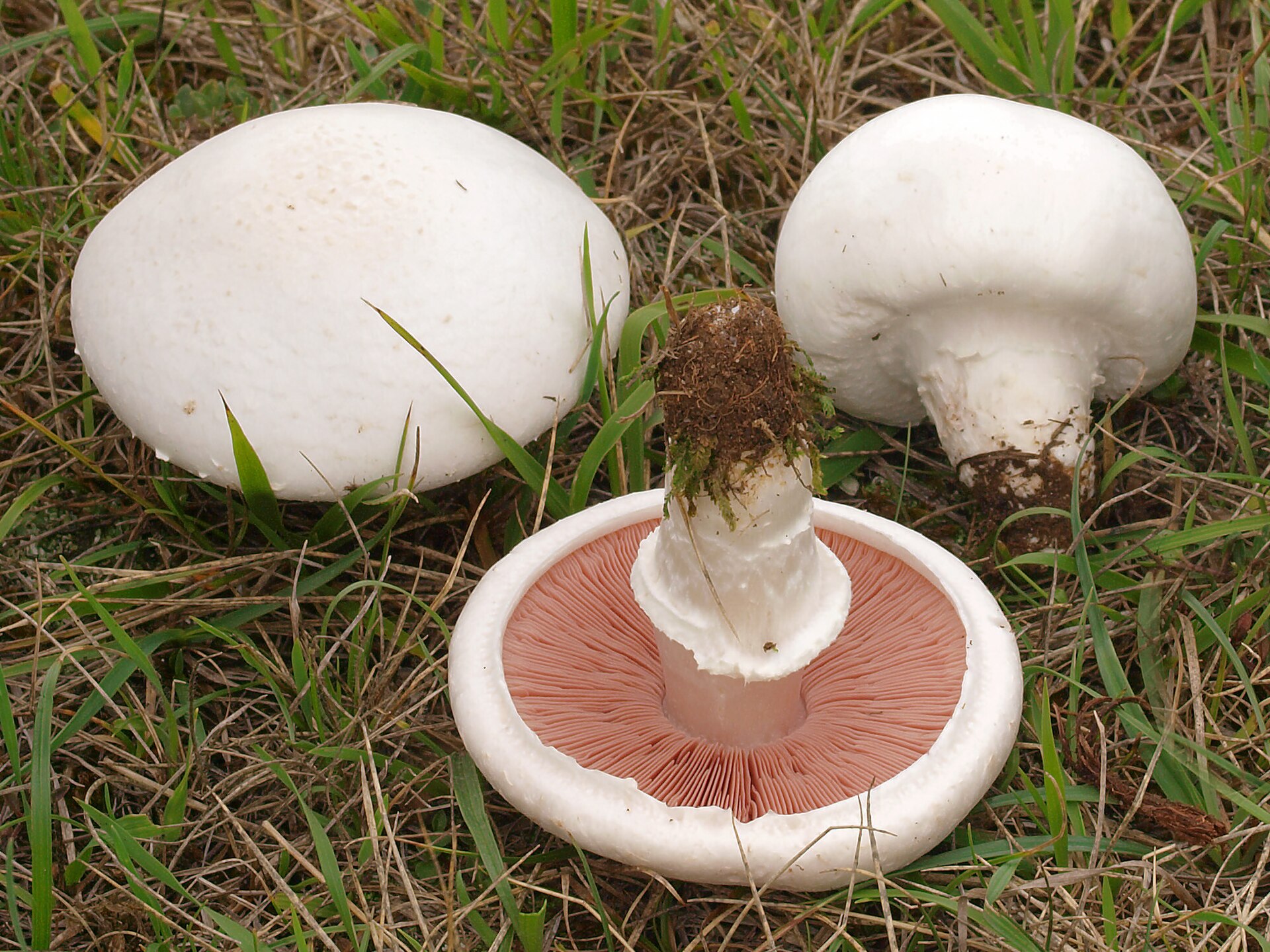
Field Mushroom
Agaricus campestris
The original wild mushroom — the one your grandparents picked from horse pastures before supermarkets existed. Agaricus campestris is the ancestor of the store-bought button mushroom, and it tastes better than anything wrapped in plastic. Just don't confuse a young one with a Death Cap, or your foraging trip becomes a hospital trip.
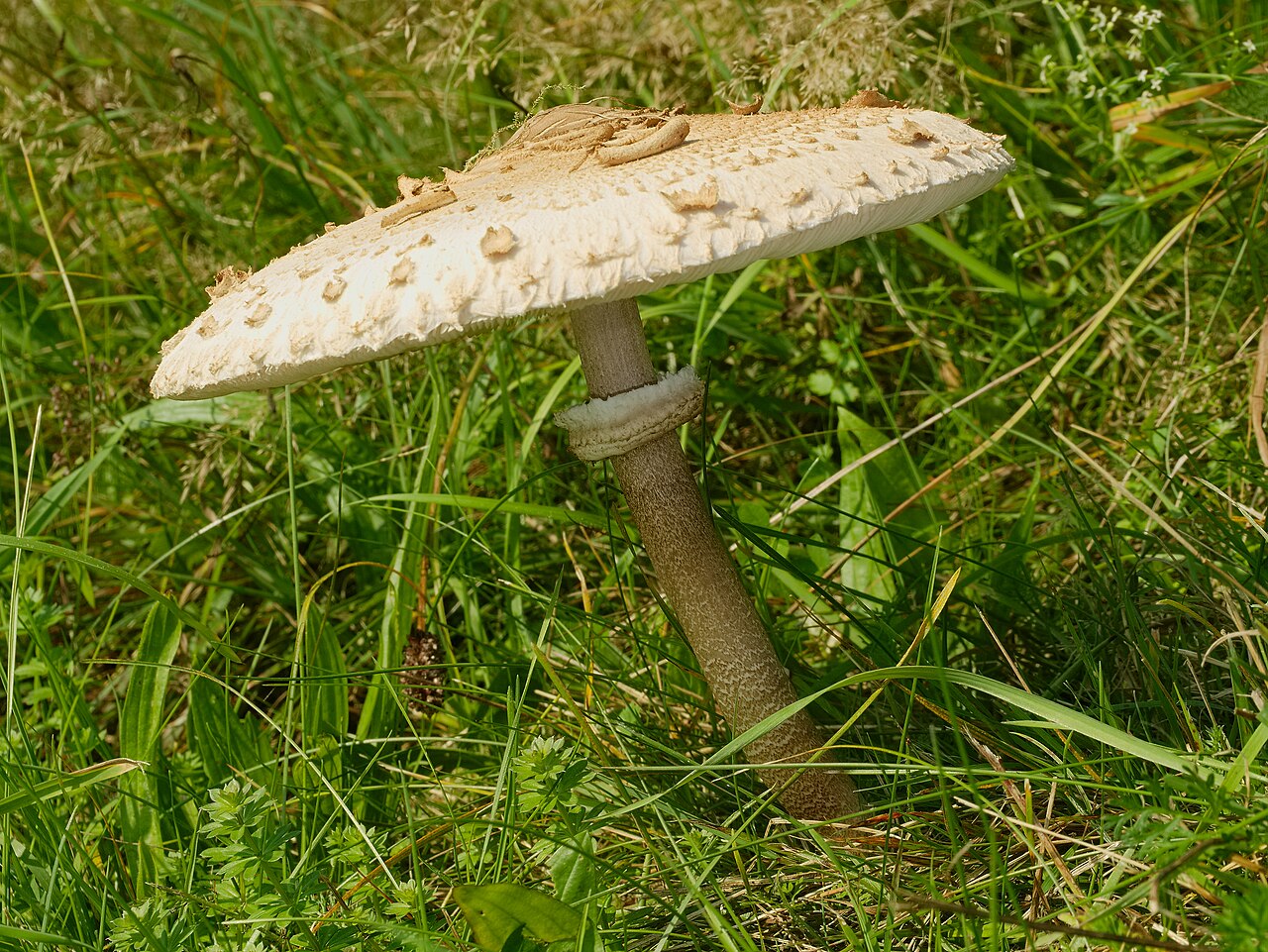
Parasol Mushroom
Macrolepiota procera
Meet the absolute unit of the mushroom world. The Parasol Mushroom can tower over 30 cm tall with a cap the size of a dinner plate — and in Central Europe, people literally bread and fry that cap like a schnitzel. It's one of the best wild edibles out there, and once you've seen a mature one, you won't mistake it for anything else.
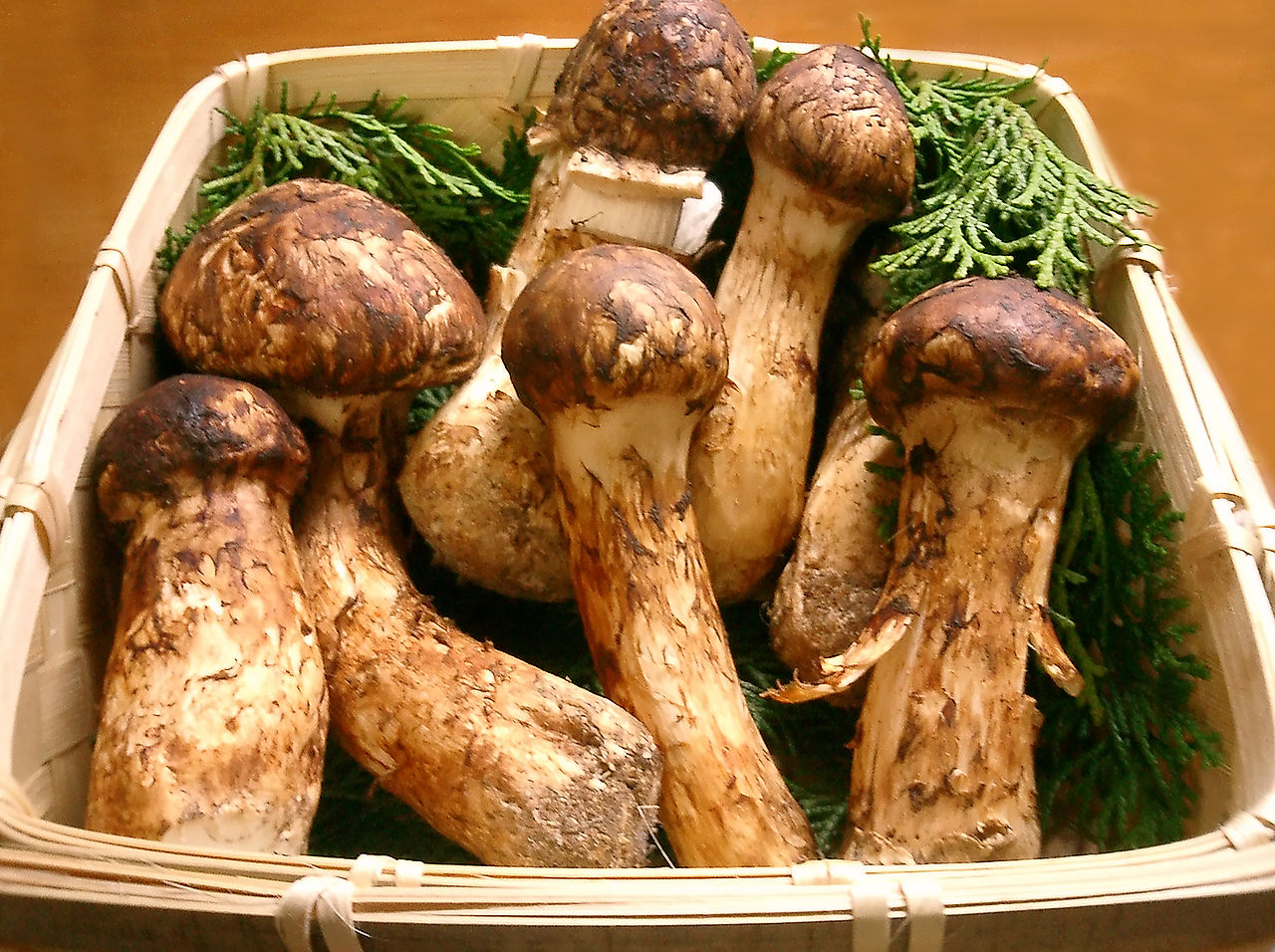
Matsutake
Tricholoma matsutake
The matsutake is one of the most expensive mushrooms on Earth — fetching over $1,000 per kilogram in Japan — and nobody has figured out how to farm it. Its intoxicating spicy-cinnamon aroma has made it a cultural obsession in Japan for over a thousand years.
Not sure if what you found is safe to eat? Orangutany can help you identify it from a photo.