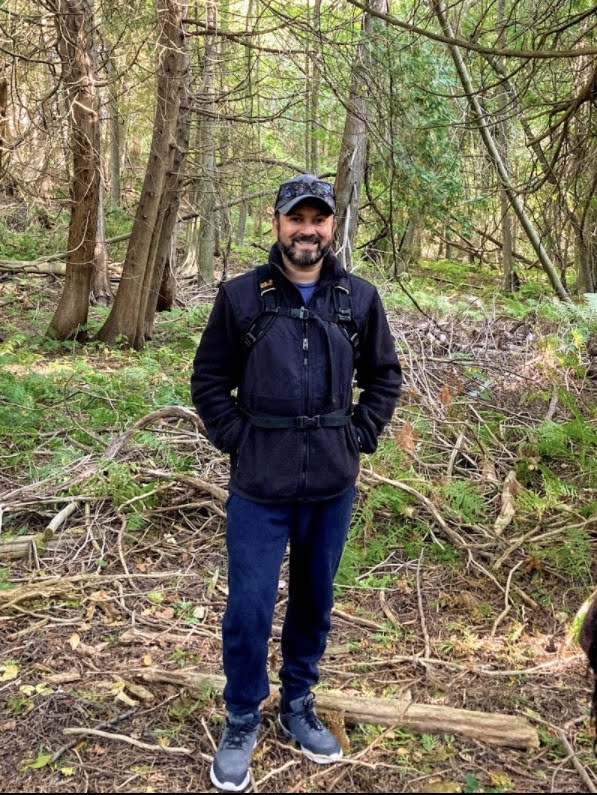
Varun Vaid
Software Engineer · Hobby Forager · Founder, Orangutany
Markham, Ontario, Canada
I grew up in India, then lived in Lancaster (UK), Seoul (South Korea), Hannover (Germany), and the Detroit suburbs before settling in Markham, Ontario about nine years ago. By day I build quality into mission-critical software products. The mushroom thing started during my PhD in Lancaster, almost by accident.
How I Got Into This
It started in Lancaster during my PhD. My supervisor was really into mushroom hunting, and we'd take these long walks through the woods together. We'd pick mushrooms, talk about them, and also talk about whatever technical work we were doing. I got fascinated with it very quickly. Slowly I started going on my own, then with family, sometimes just with the dog.
Over time it became less about the walking and more about the picking and studying. I'd come home and do spore prints, try to study the structure of what I'd found. I bought a few mycology books thinking they'd have the answers, but I have to say, reading a proper mycology textbook is extremely difficult. It takes a lot more experience than I had, and I found it genuinely hard to understand.
So I went online. Joined a bunch of Facebook clubs, followed Instagram pages, got into the Reddit forums like r/mycology and the mushroom ID subreddits. I'd share pictures, try to learn from others. Sometimes I'd get a helpful response, sometimes nothing at all. That part made me impatient. You find something interesting in the field and you want to know what it is right now, not three days later when someone maybe replies.
Eventually, as I got more confident, I started to understand which mushrooms are clearly safe to eat and which ones need more work. That's when I became comfortable enough to actually eat things like giant puffballs and chicken of the woods. I feel pretty confident now in identifying what I can safely eat versus what I still need to study further, and I continue to learn.
I also noticed there wasn't a premium, well-designed mushroom ID app on the market. Everything felt either inaccurate or like it was built in 2012. That impatience with forums and frustration with existing apps is basically why I built Orangutany. But honestly, the intent is less about the app and more about helping people learn about the beauty of fungi. I want to learn along with them. That's kind of the whole story.
Since then I've foraged across Ontario: Algonquin, Bruce Peninsula, Muskoka, the Haliburton Highlands, and more local spots around the GTA that I'm not sharing here (foragers will understand). I've found honey mushrooms in a Markham subdivision, chicken of the woods on a dead oak in Scarborough, and a perfect parasol growing through a crack in a parking lot near Steeles Avenue. I've also foraged in Germany's Black Forest, the English Lake District, and the hills outside Seoul. Every place has its own species and its own culture around mushrooms.
From the Field
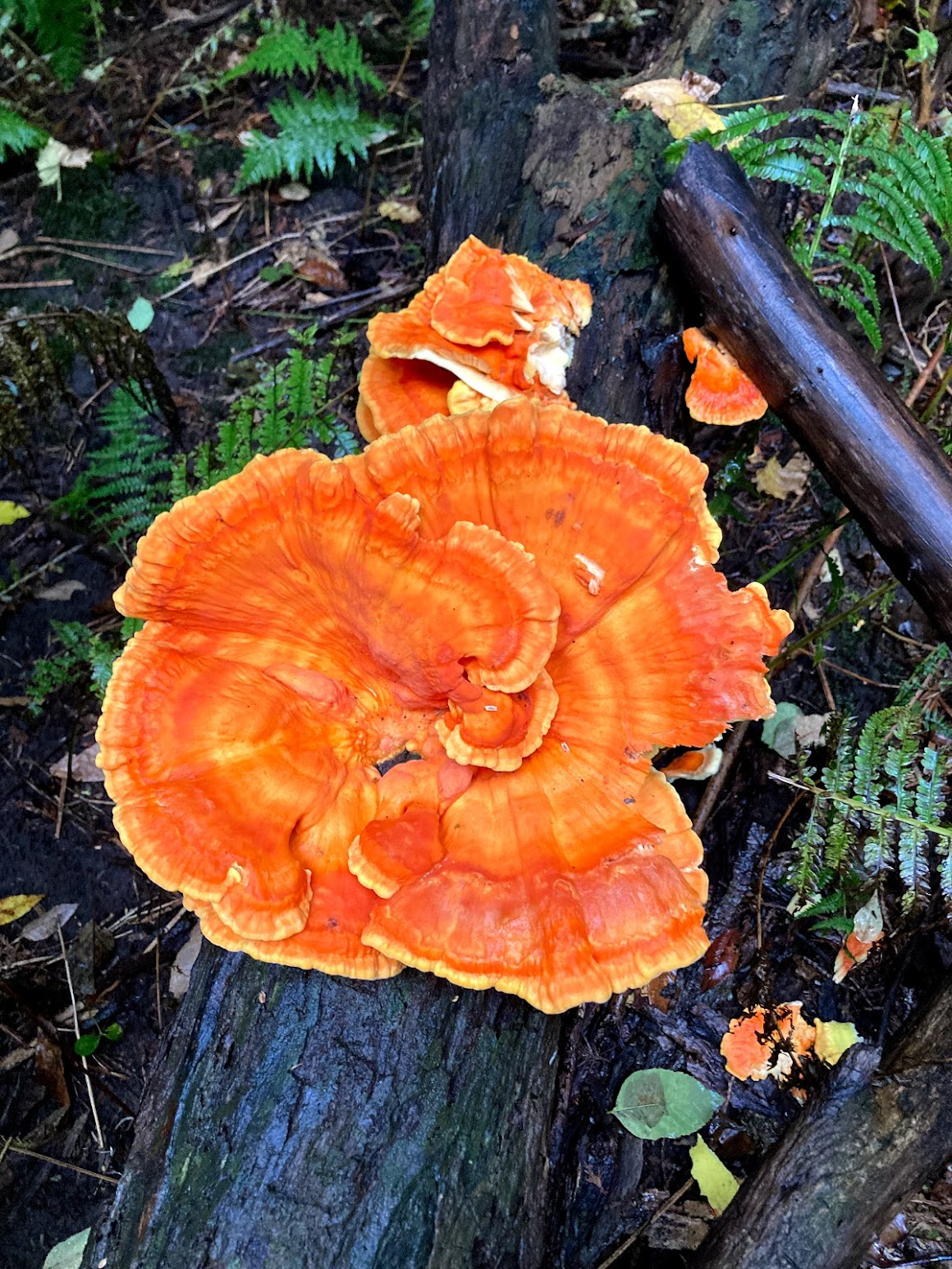
Chicken of the Woods on a dead log, one of the most unmistakable edible mushrooms. Found this one on the Bruce Trail near Hamilton.
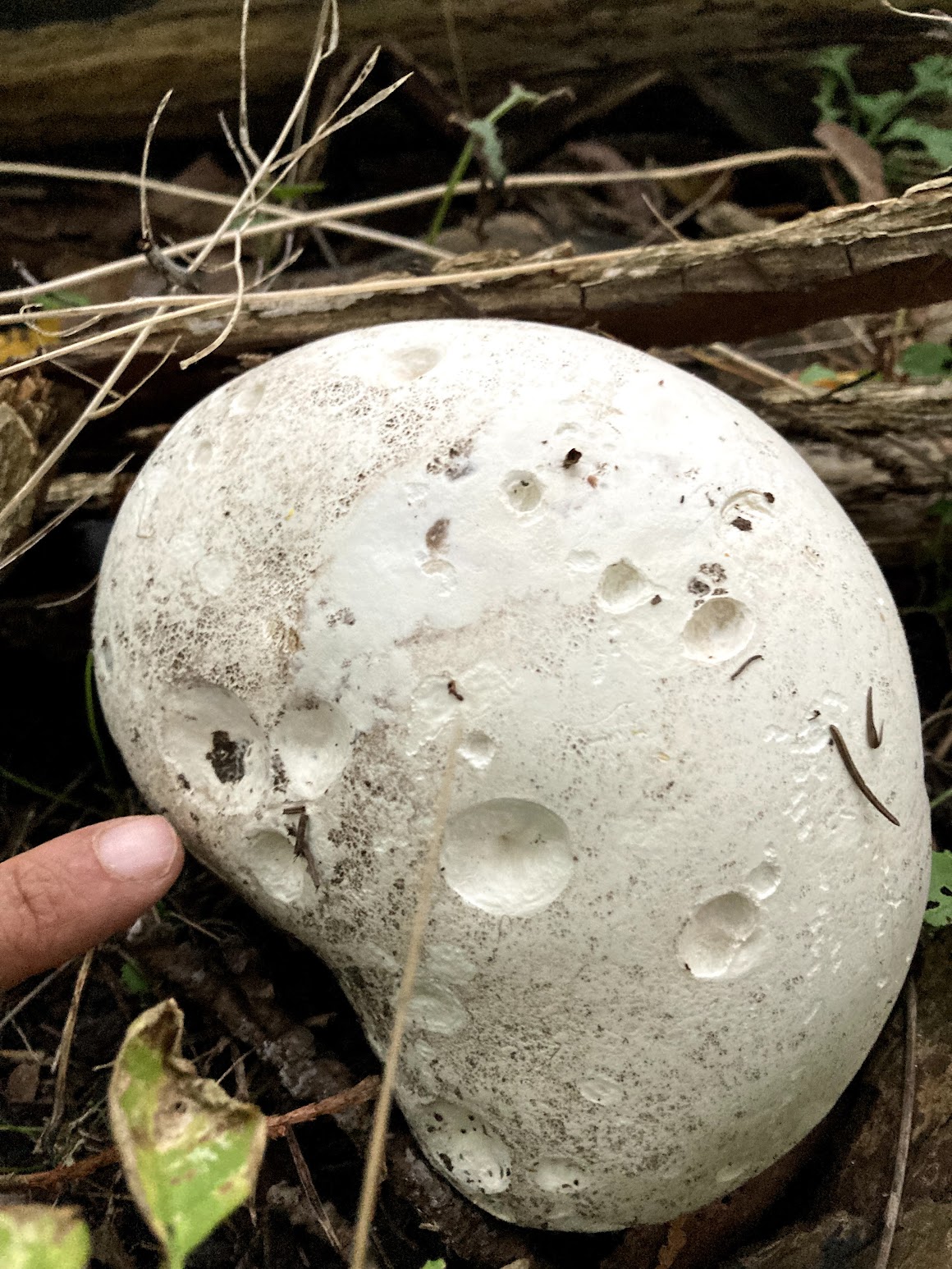
The giant puffball that started it all. Rouge Valley, October 2019. Finger for scale. This one was about the size of a volleyball.
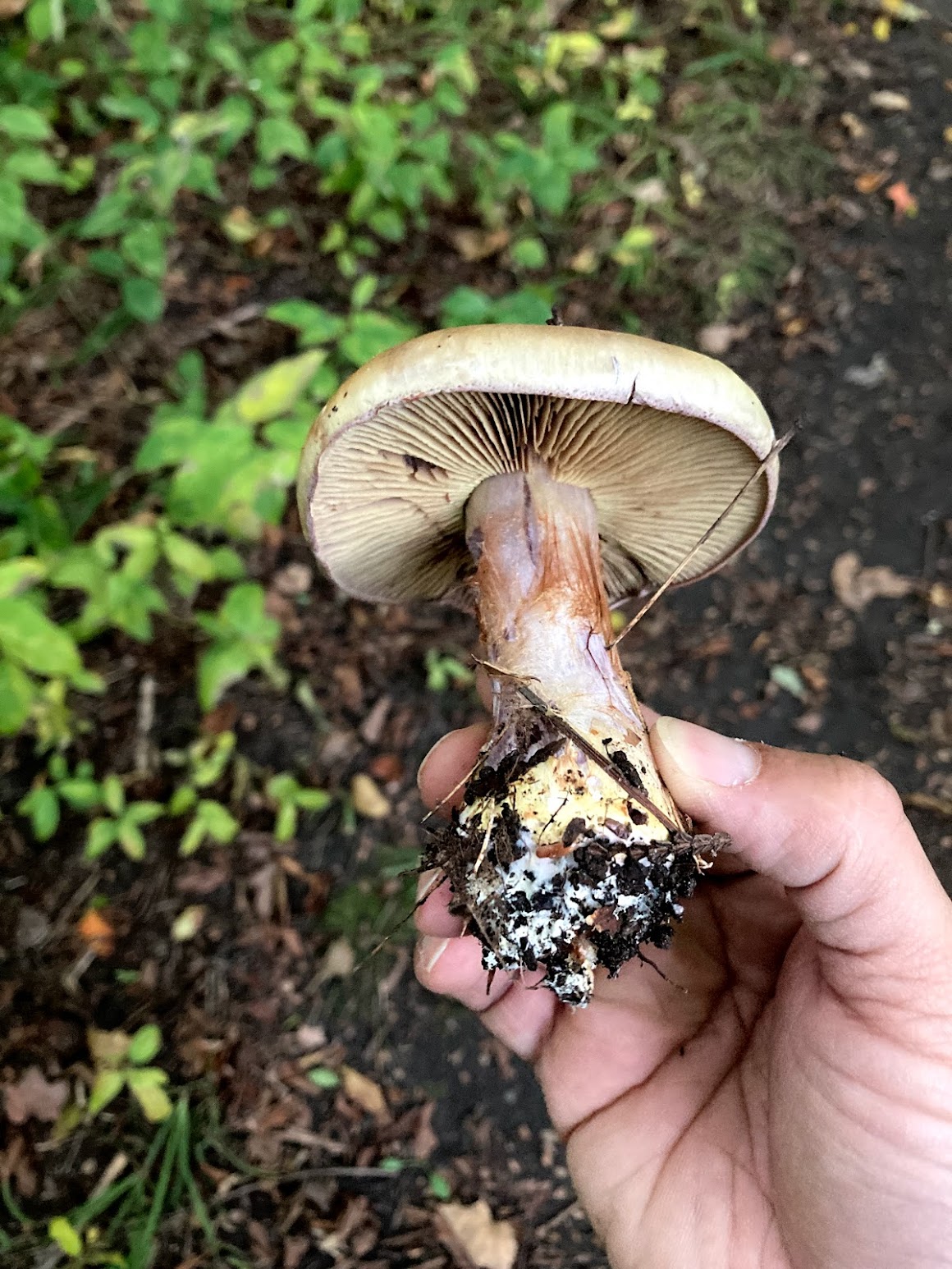
Always check the base. This specimen showed clear gill attachment and a bulbous base, key identification features you miss if you just cut the stem at ground level.
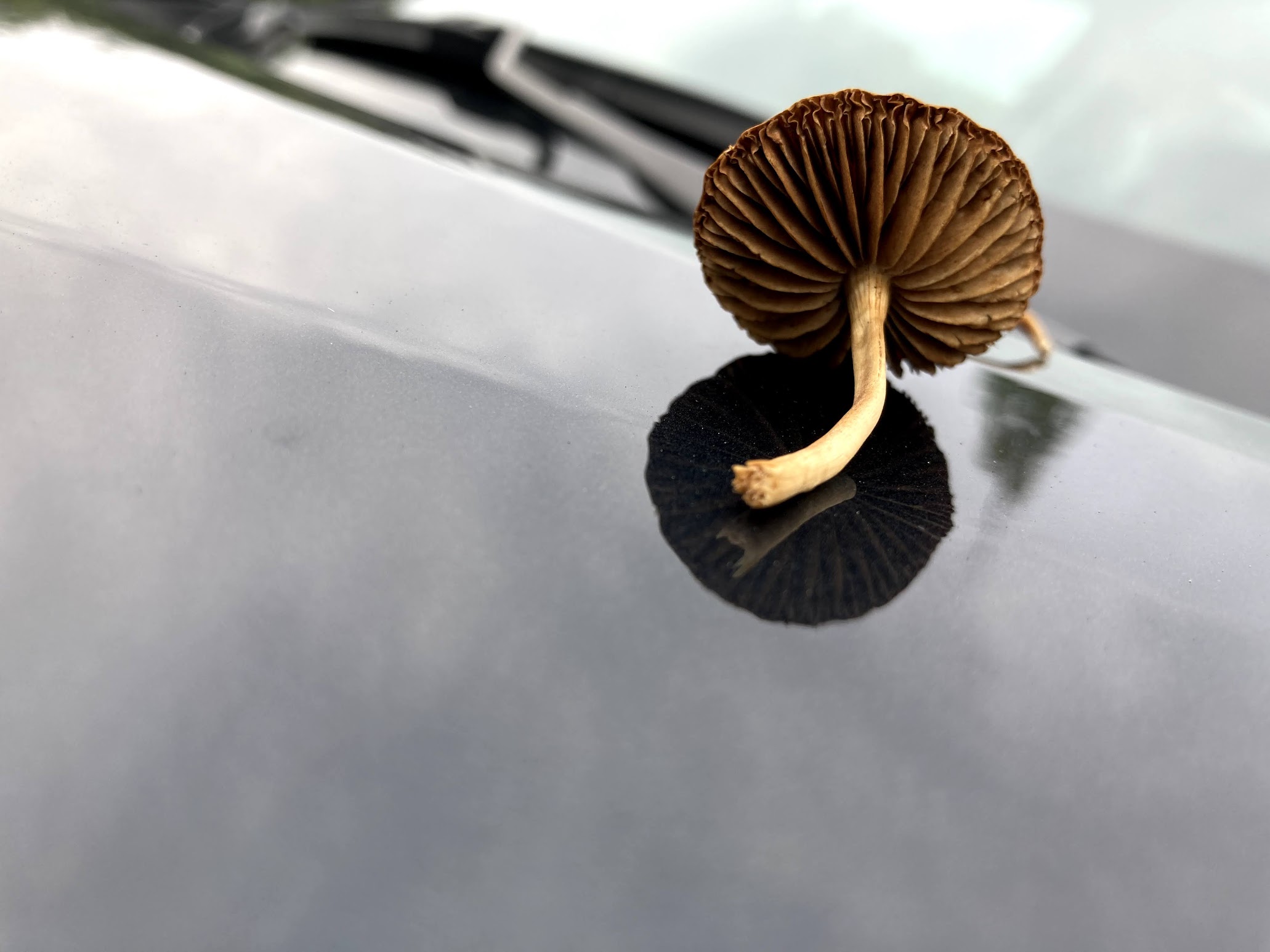
Improvised spore print on the car hood. When you don't have paper handy, any smooth dark surface works. This one dropped a clear brown print in about 30 minutes.
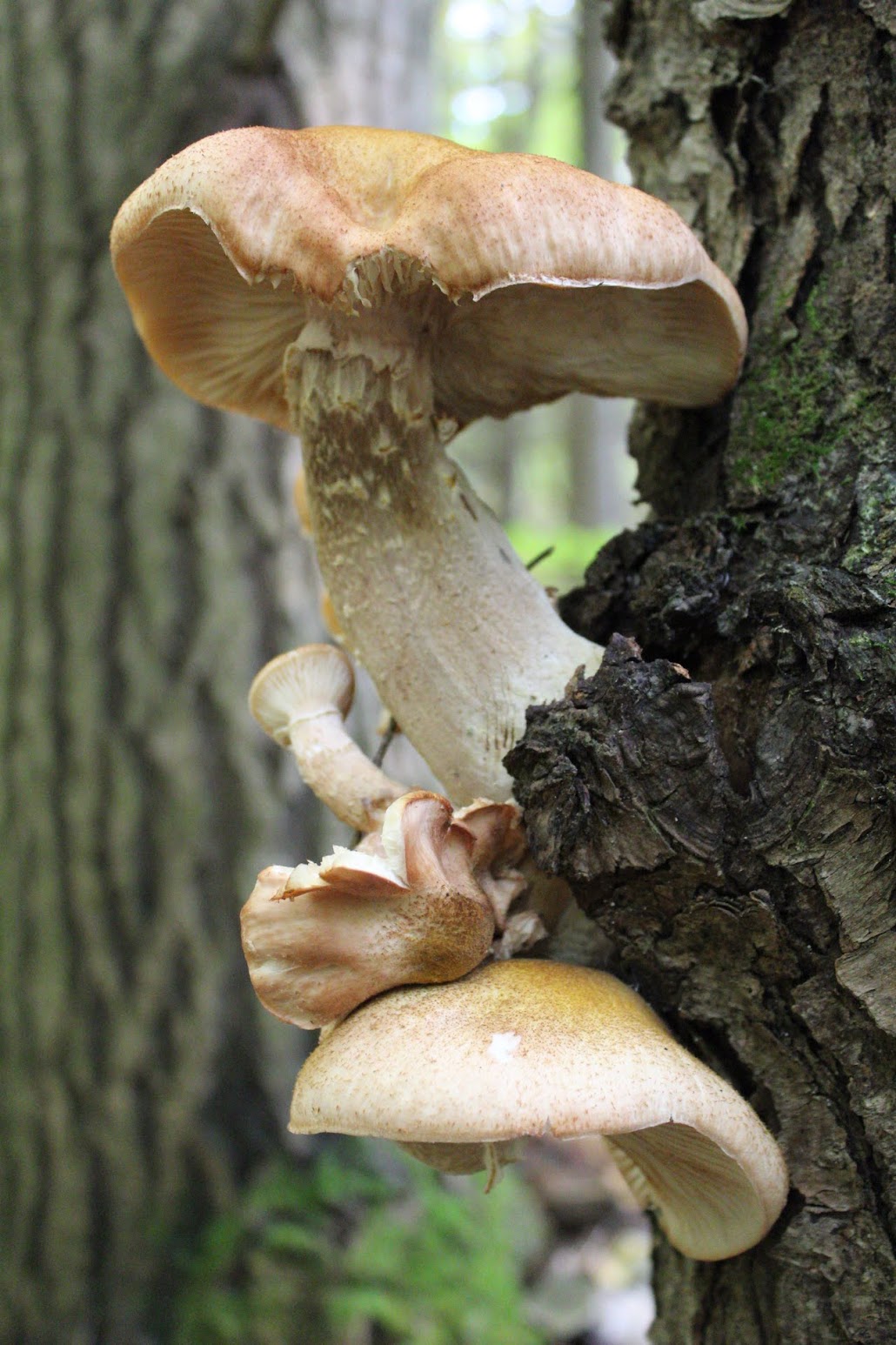
Honey mushrooms (Armillaria) fruiting on a standing dead tree. These pop up every fall across Southern Ontario. Edible but must be cooked thoroughly.
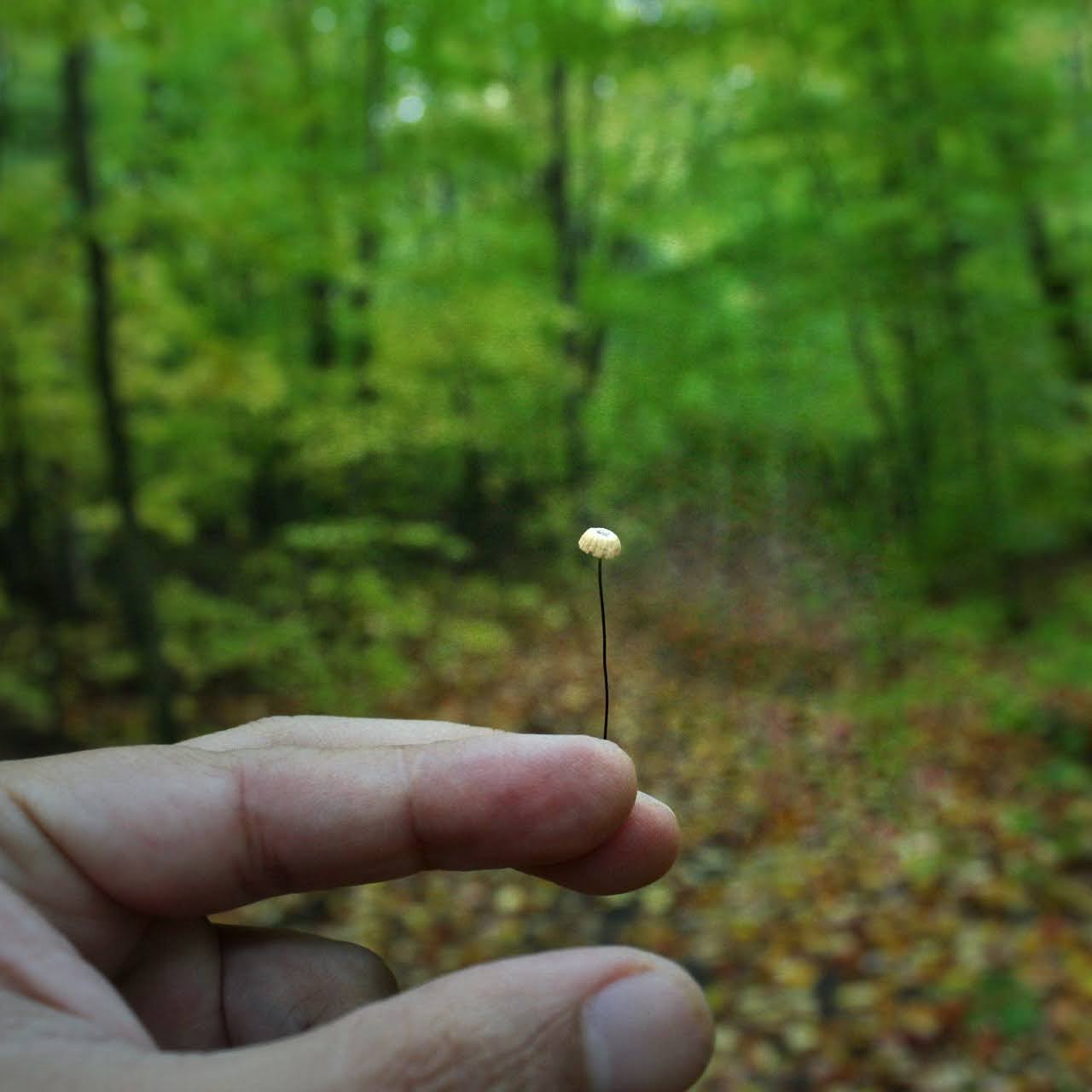
Not everything in the forest is big and dramatic. This tiny Mycena was maybe 8mm across. My son spotted it before I did.
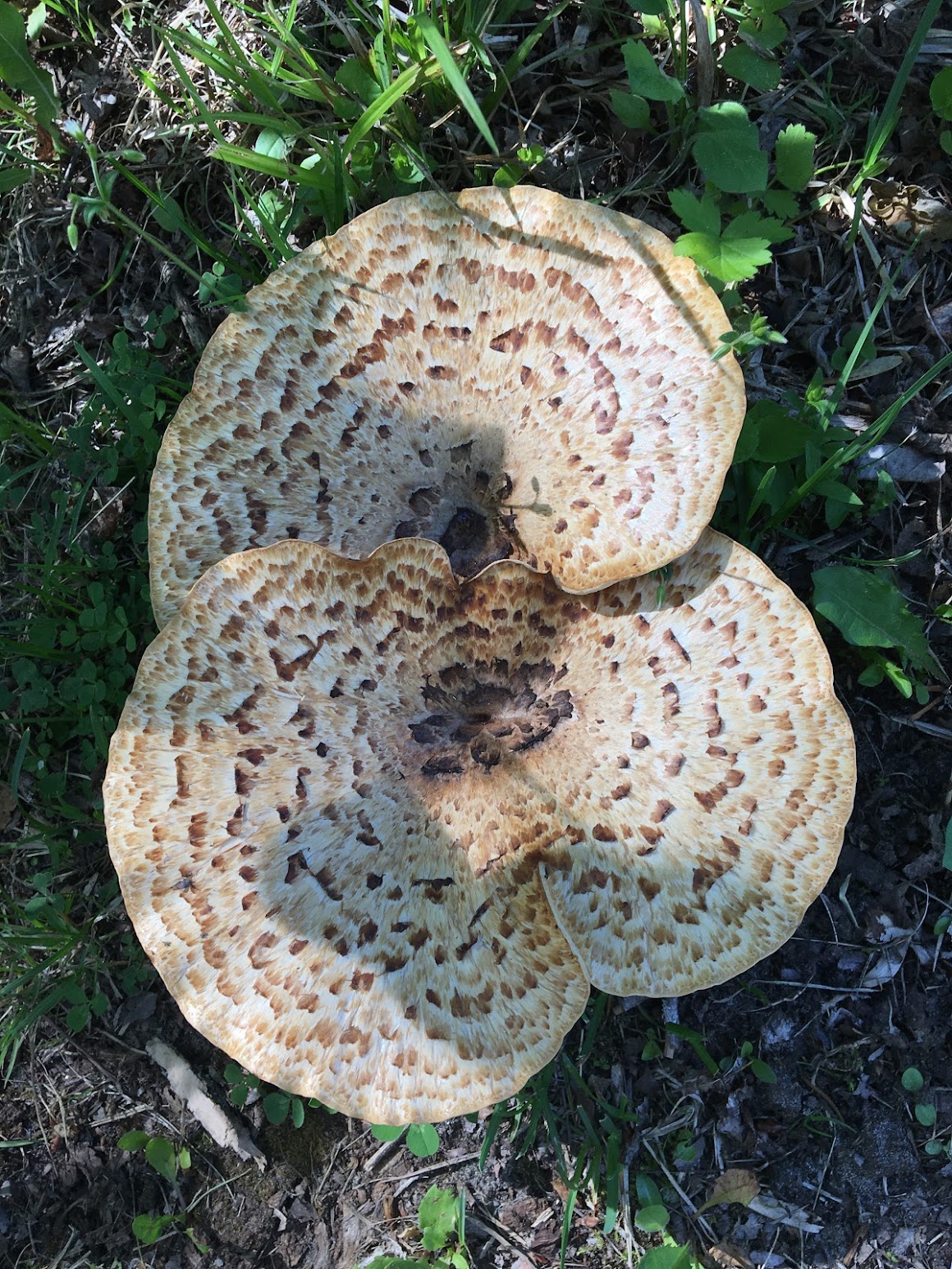
Parasol mushroom (Macrolepiota) from above, the distinctive scaly cap pattern. Found in a grassy clearing. One of the best eating mushrooms if you get the ID right.
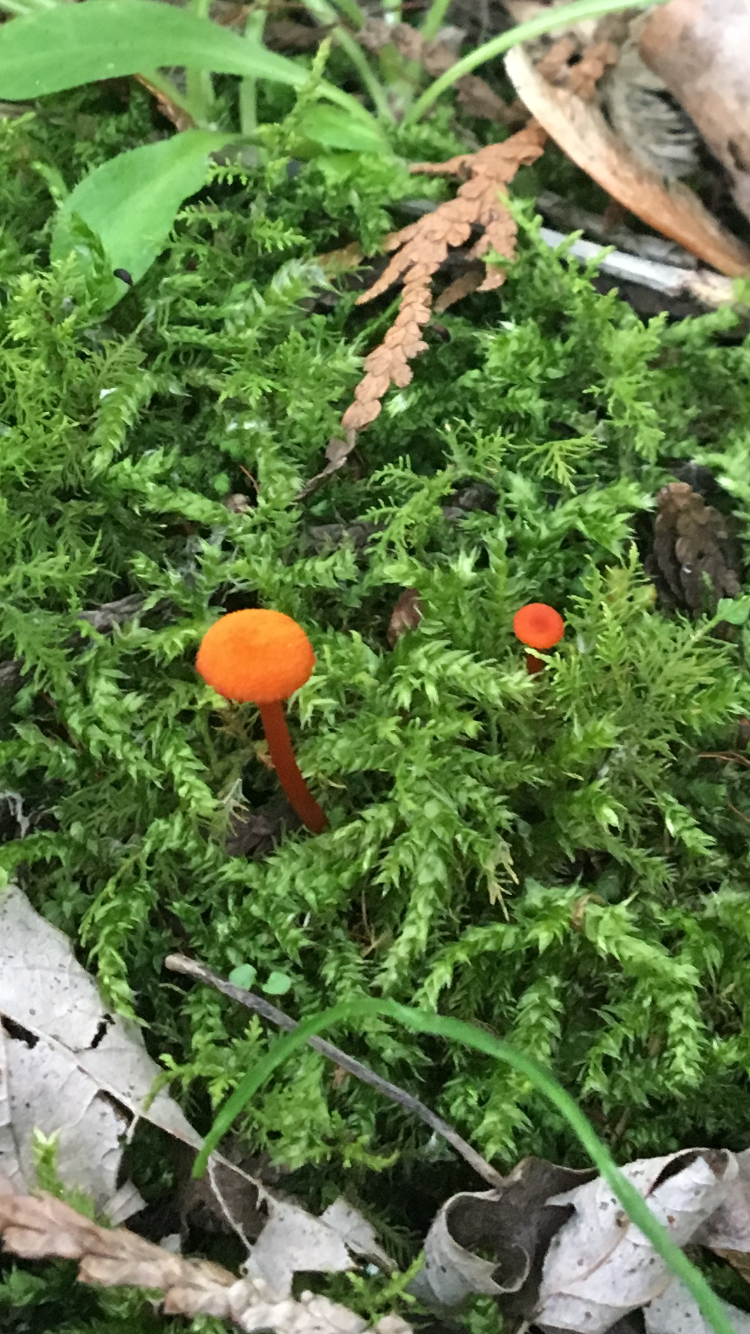
Tiny orange Hygrocybe in moss. These wax caps are indicators of old, undisturbed grassland; finding them means the ecosystem is healthy.
Family Foraging
My kids have been coming on foraging walks since before they knew what foraging meant. My son can identify a chanterelle at ten paces now. My daughter mostly likes kicking puffballs, which is also a valid contribution to spore dispersal.
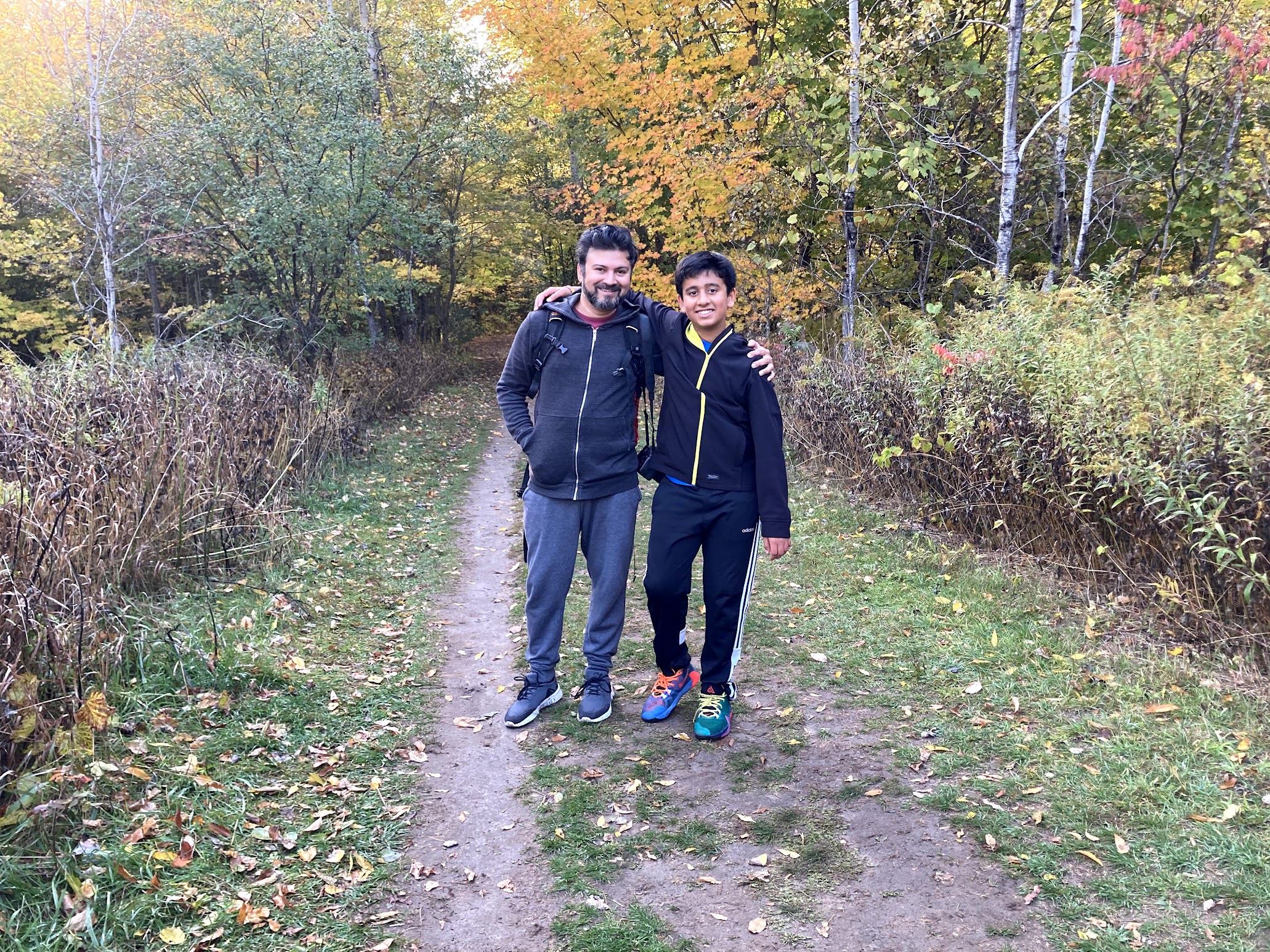
Autumn trail walk, somewhere north of Barrie.
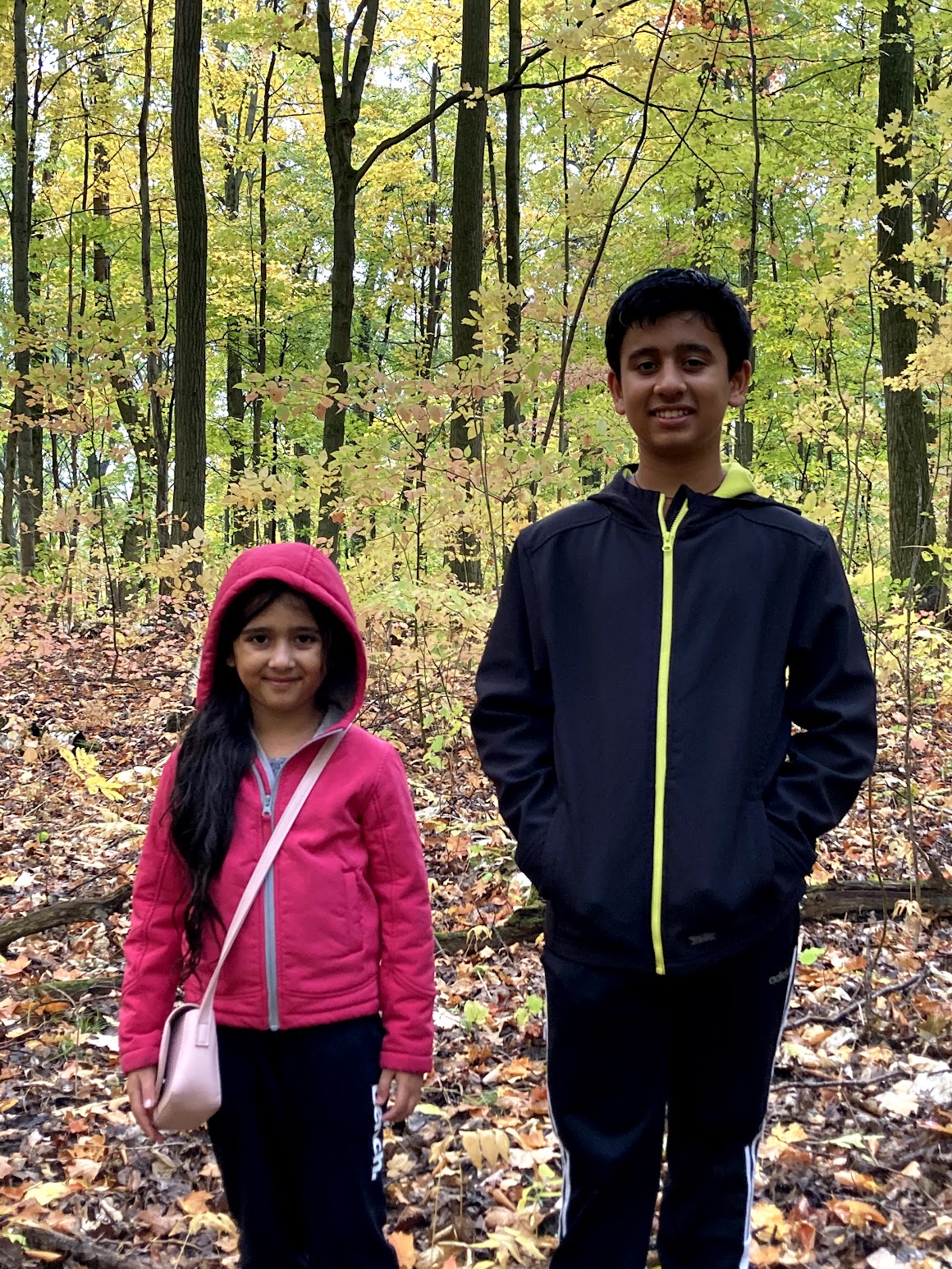
The foraging crew. Peak fall colour near Haliburton.
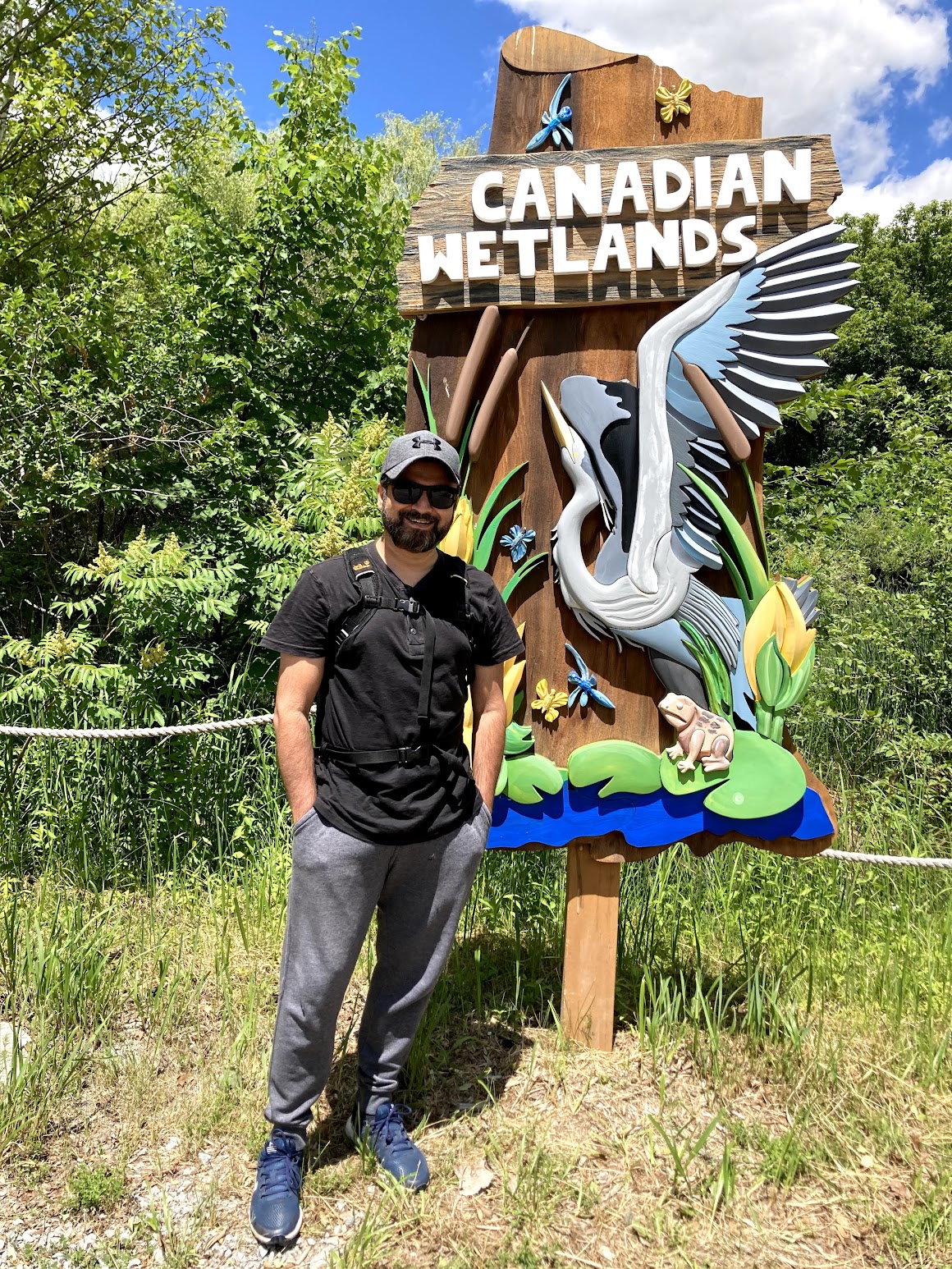
Nature outings aren't always about mushrooms. Sometimes.
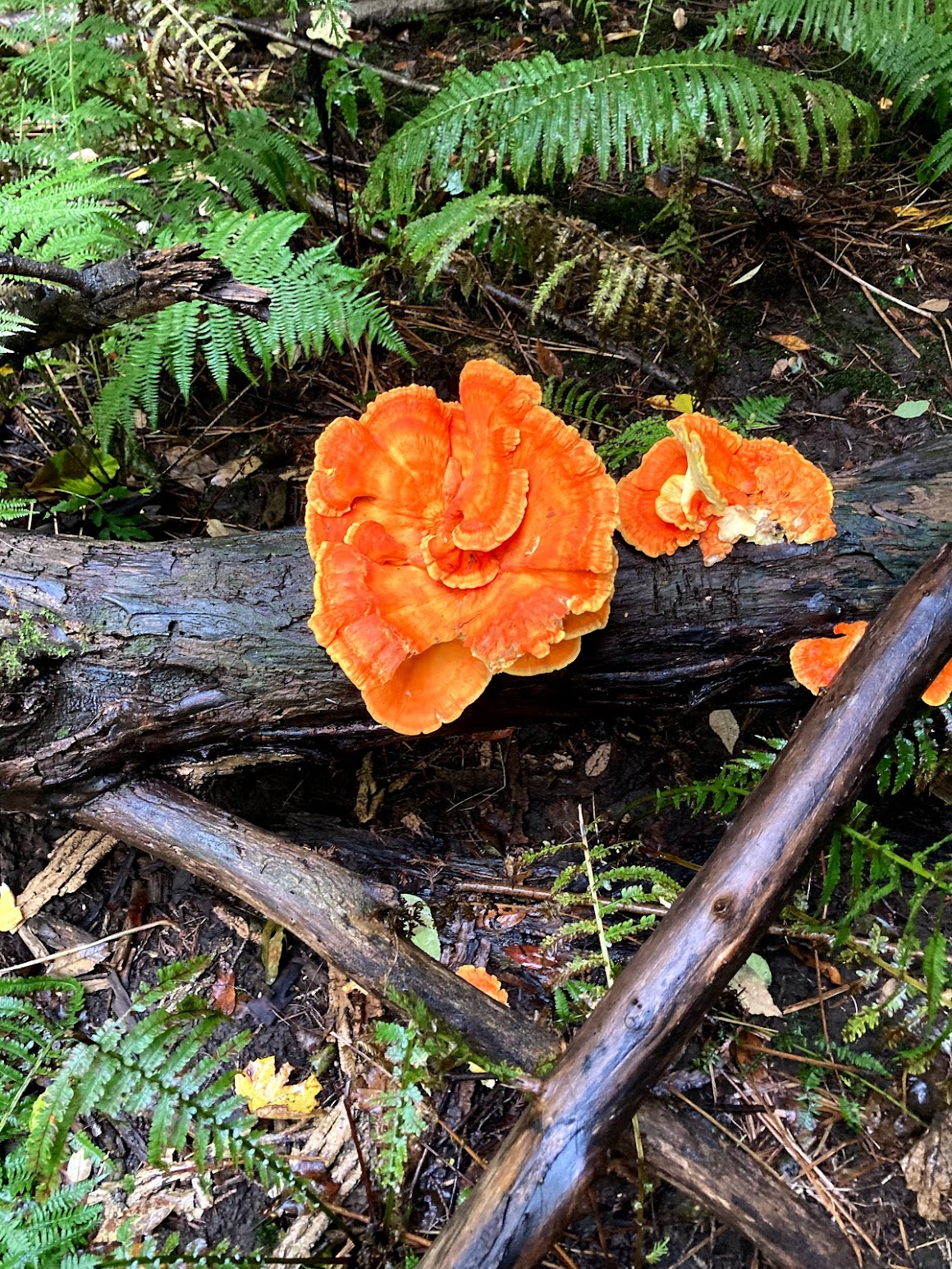
Same chicken of the woods, wider shot. The ferns and fallen logs are classic Ontario understory.
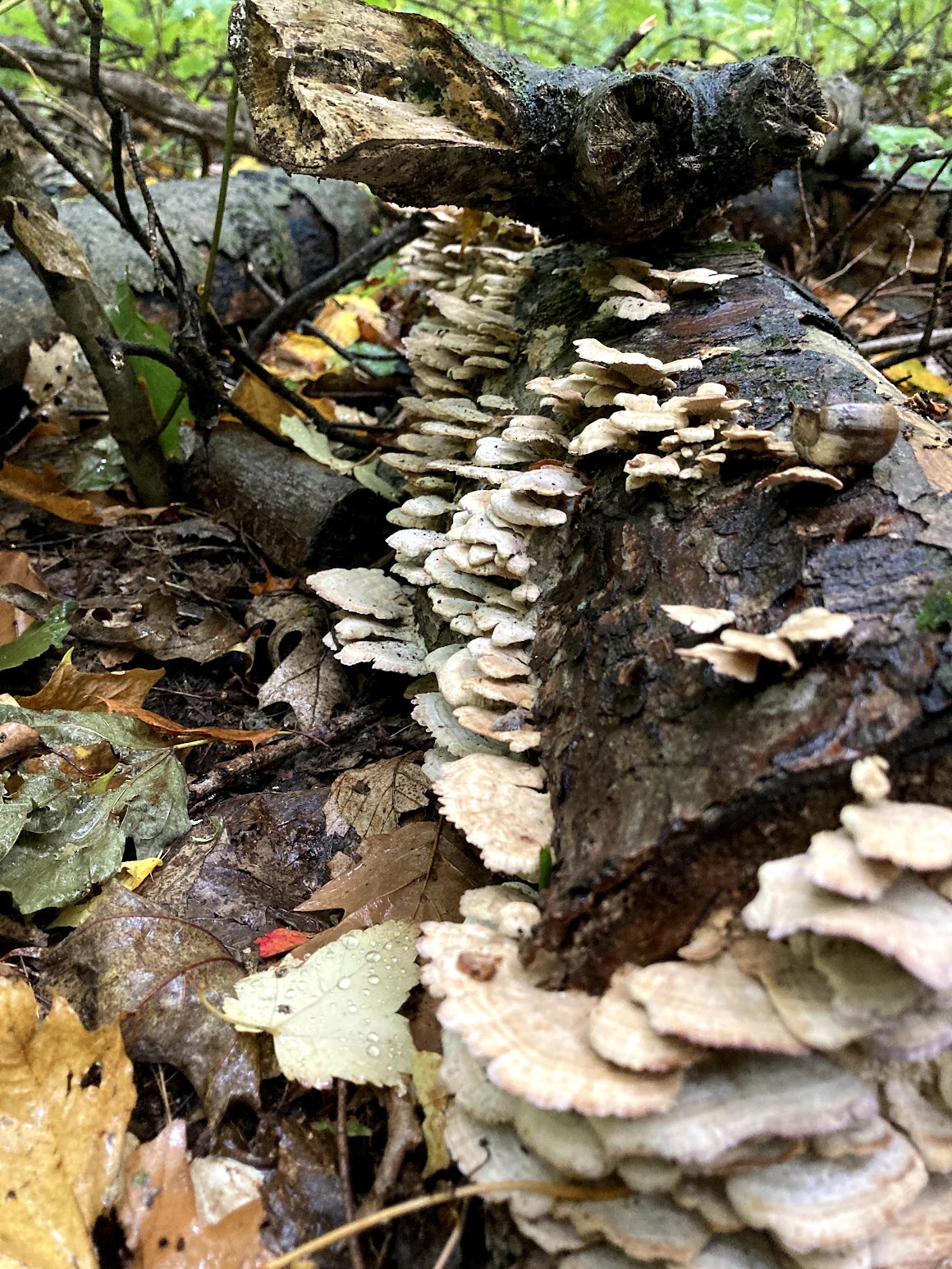
Bracket fungi (likely Trametes) colonizing a fallen log. Not edible but medicinal research on turkey tail is actually promising.
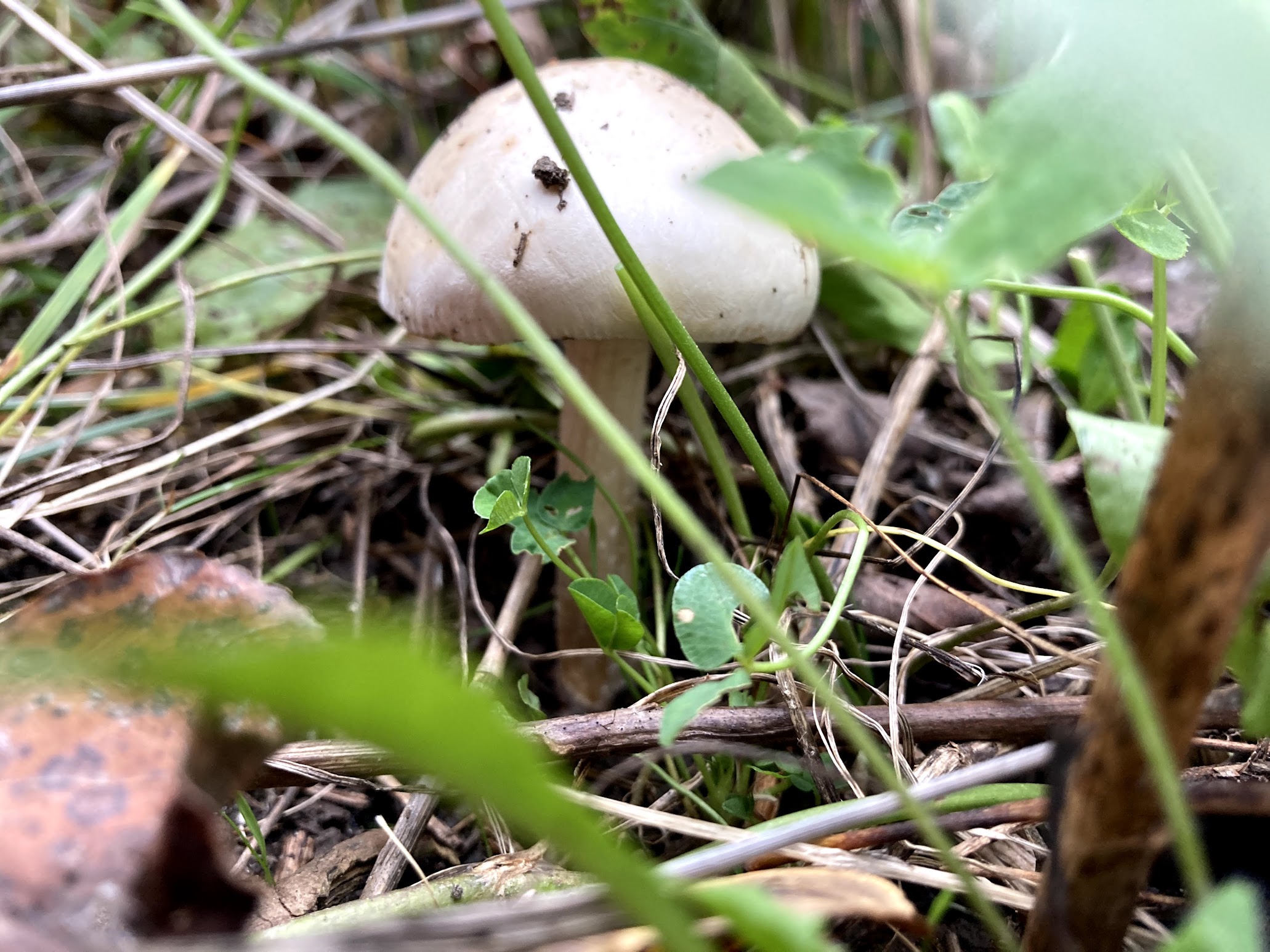
Field mushroom pushing through grass, probably Agaricus campestris. The ones you find in your yard.
Background
- Based in
- Markham, Ontario, Canada (since ~2016)
- Previously lived in
- India · Lancaster, UK · Seoul, South Korea · Hannover, Germany · Detroit suburbs, Michigan · Markham, Ontario
- Education
- Computer Science background. Courses in field mycology through the Mycological Society of Toronto. Multiple BioBlitz events with Ontario Nature.
- Foraging experience
- Active forager since 2019. Ontario (Rouge Valley, Algonquin, Bruce Peninsula, Muskoka, Haliburton Highlands, GTA parks). Previously: Black Forest (Germany), Lake District (UK), hills outside Seoul (South Korea).
- Memberships
- Mycological Society of Toronto · Ontario Nature (volunteer)
- Day job
- Software engineer. Built Orangutany, a mushroom identification app.
Species Guides by Varun
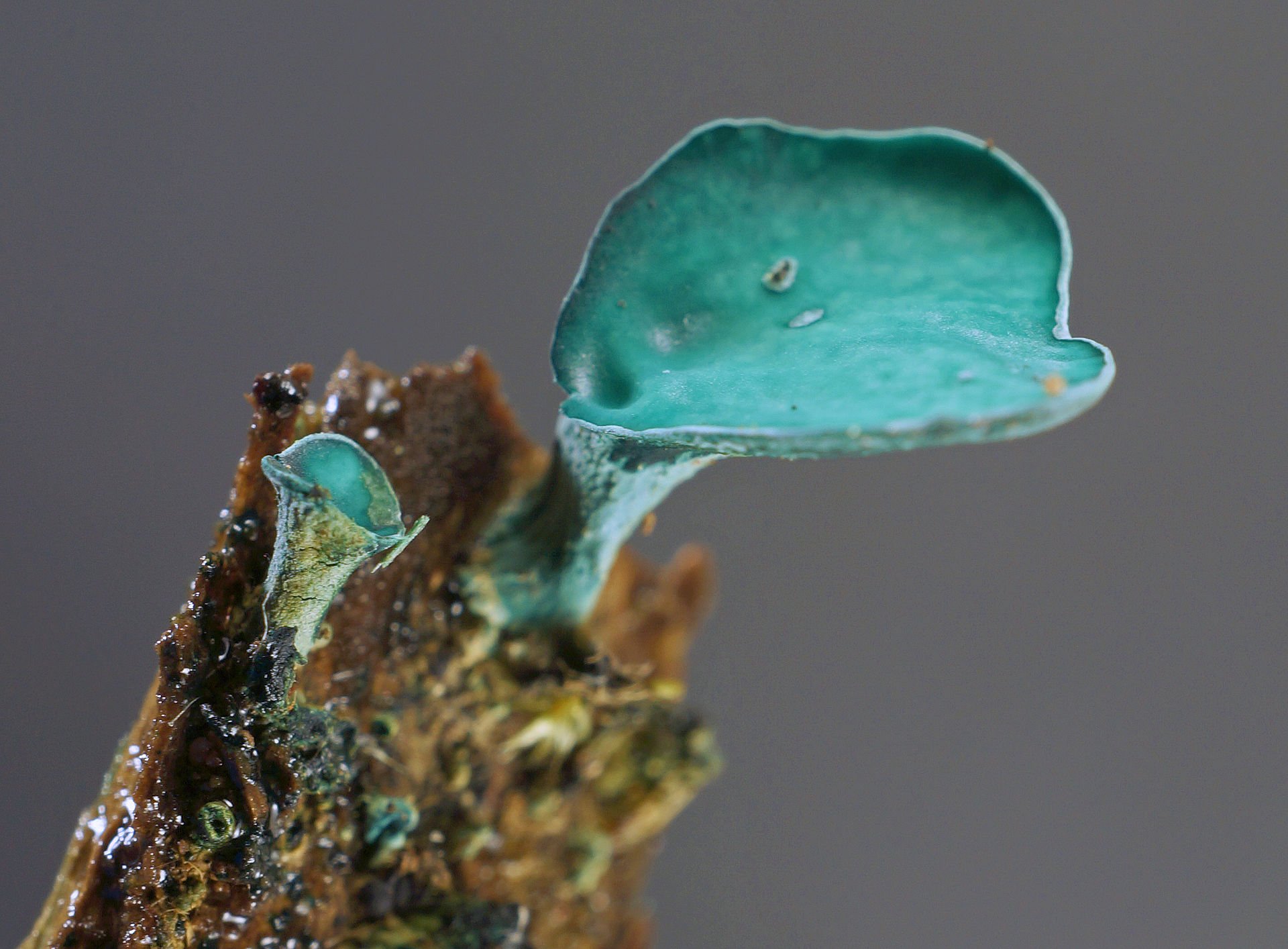
Green Elfcup
Chlorociboria aeruginascens
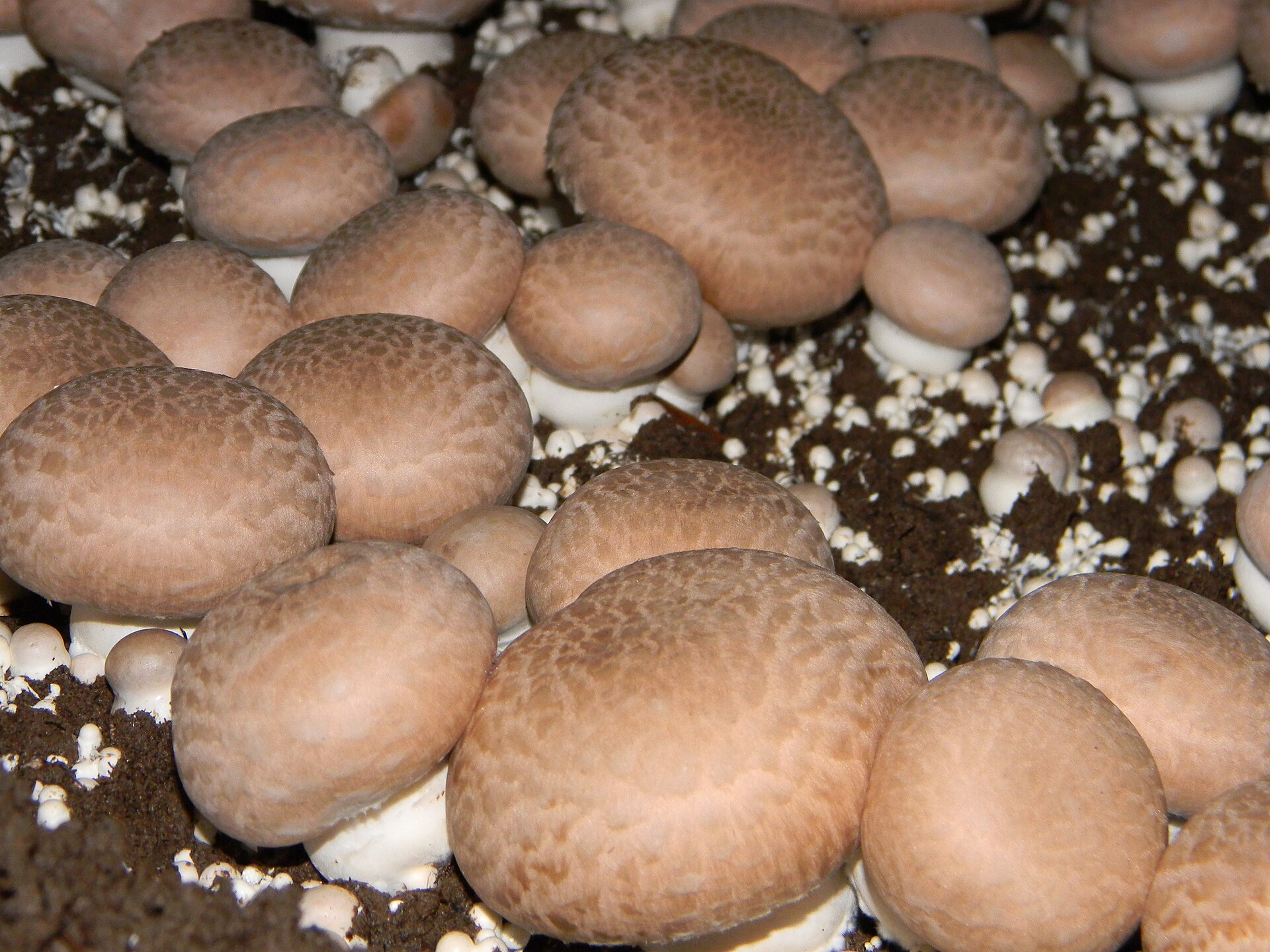
Button Mushroom
Agaricus bisporus
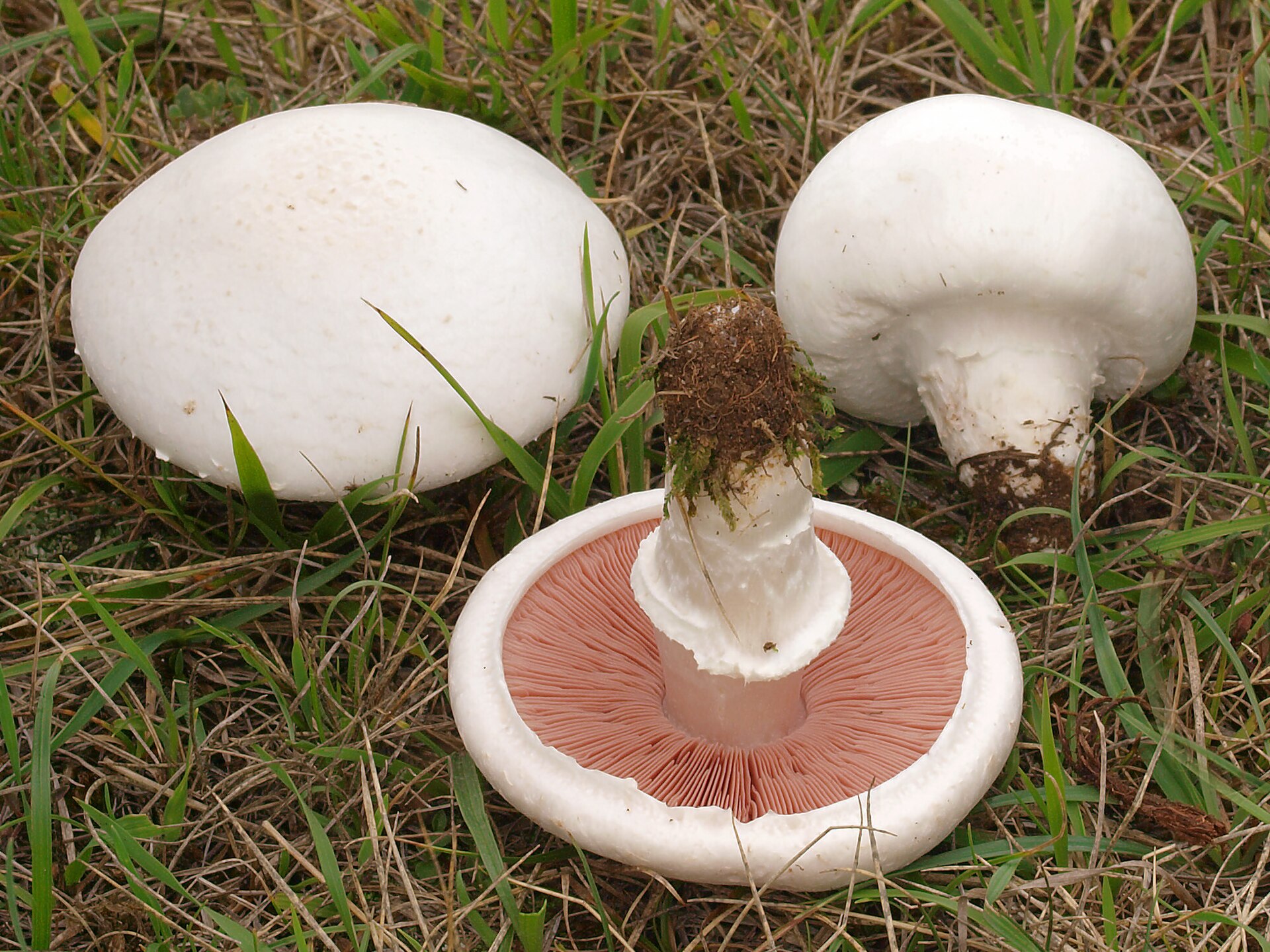
Field Mushroom
Agaricus campestris
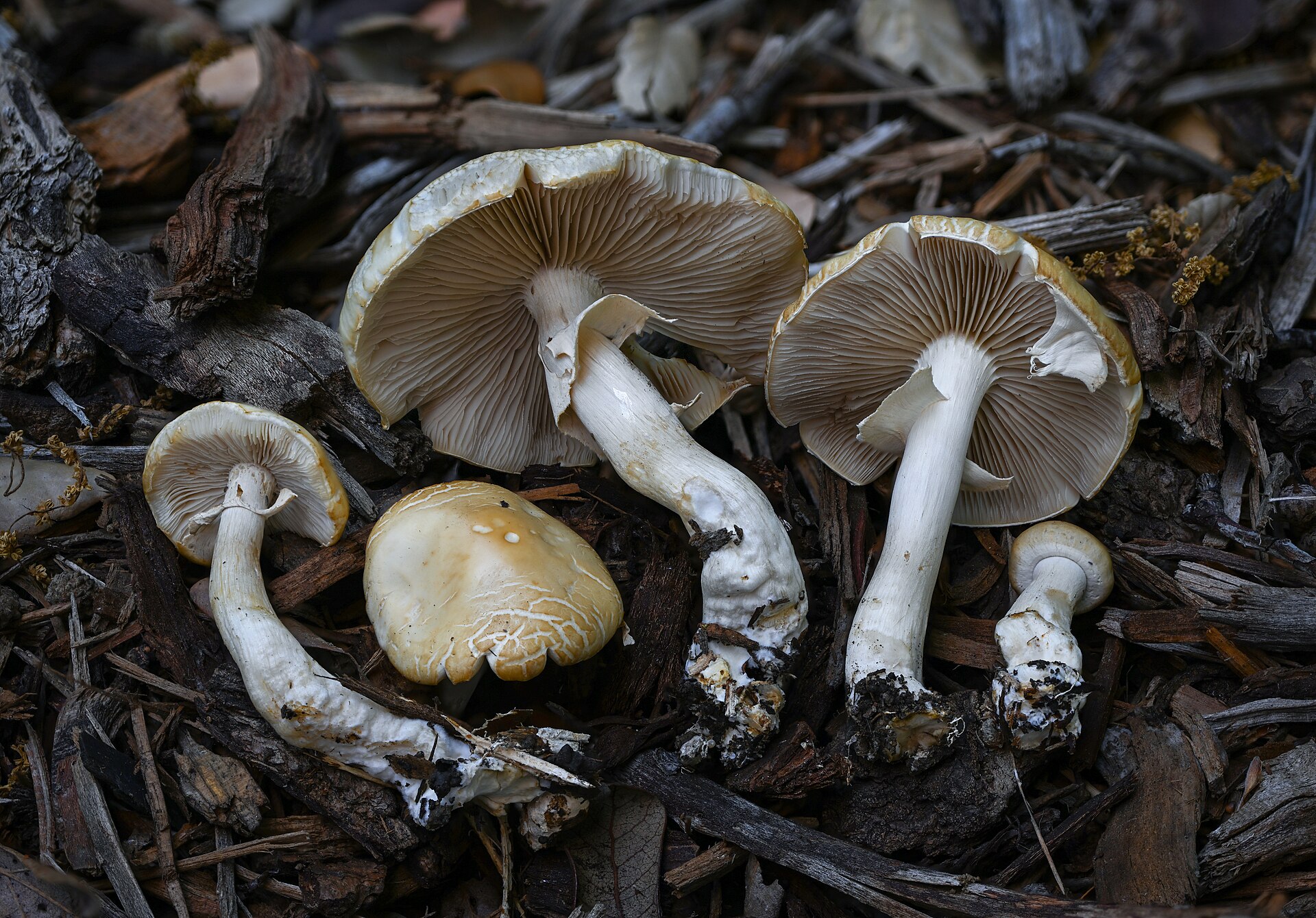
Spring Fieldcap
Agrocybe praecox
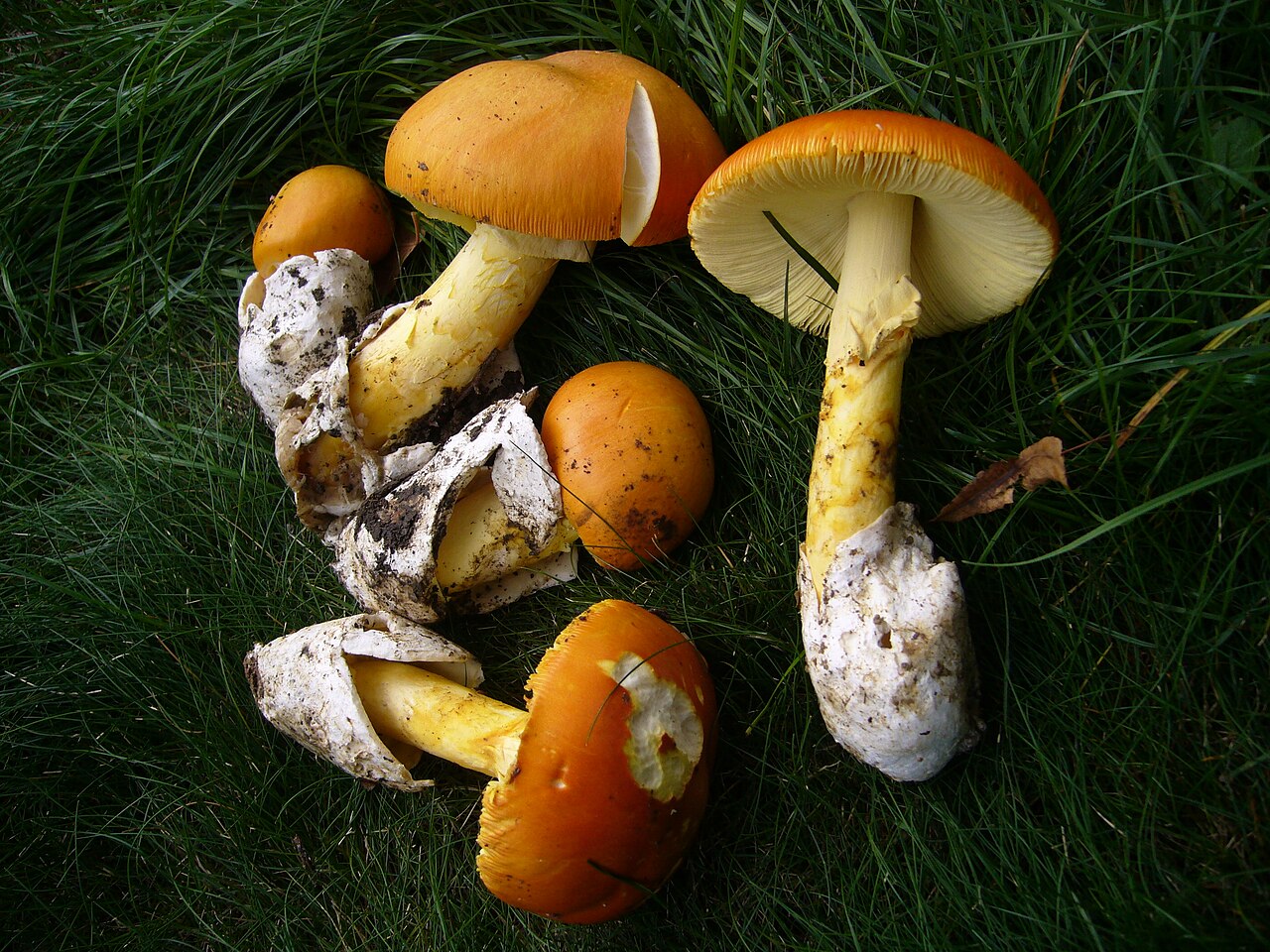
Caesar's Mushroom
Amanita caesarea
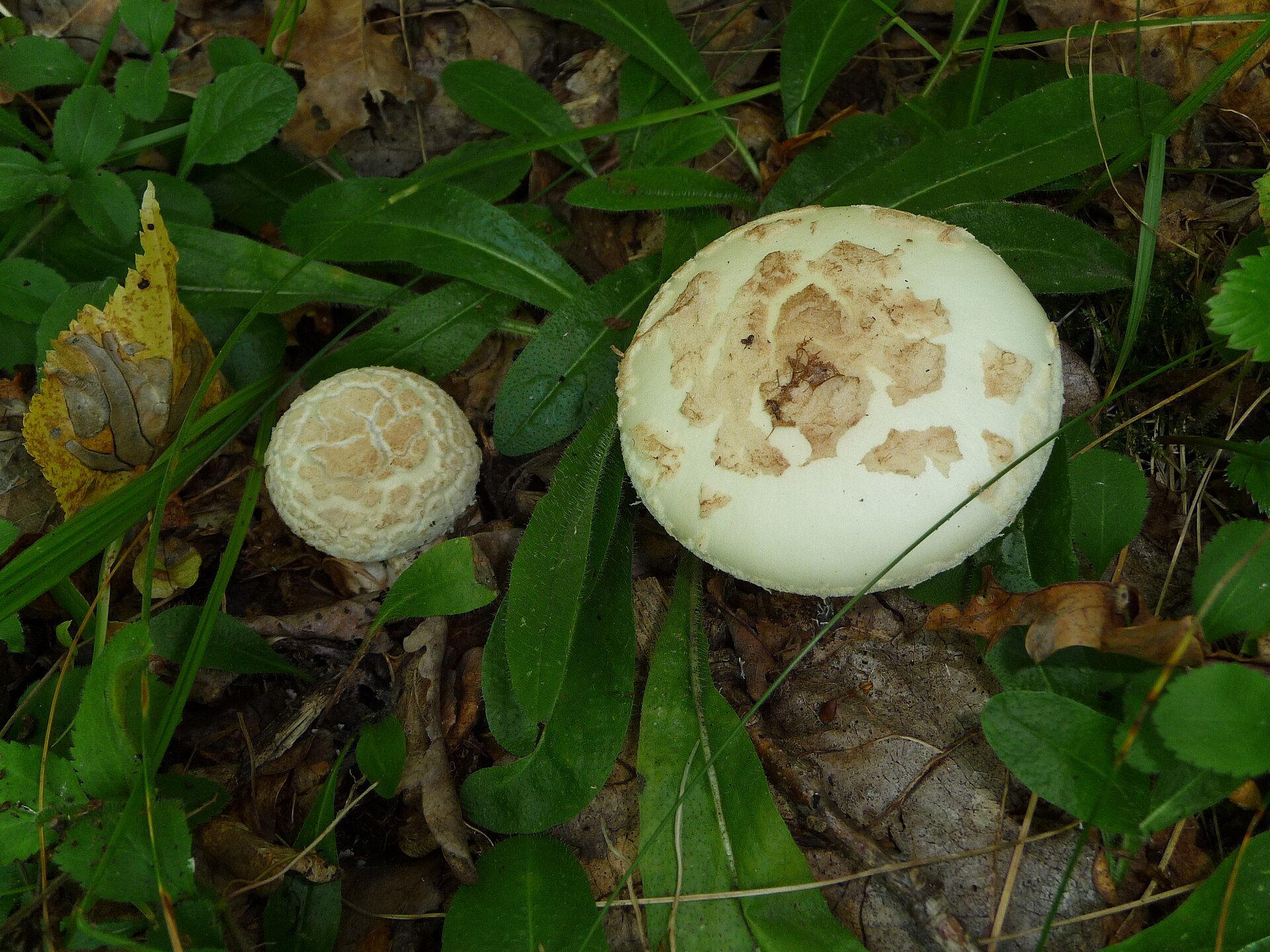
False Death Cap
Amanita citrina
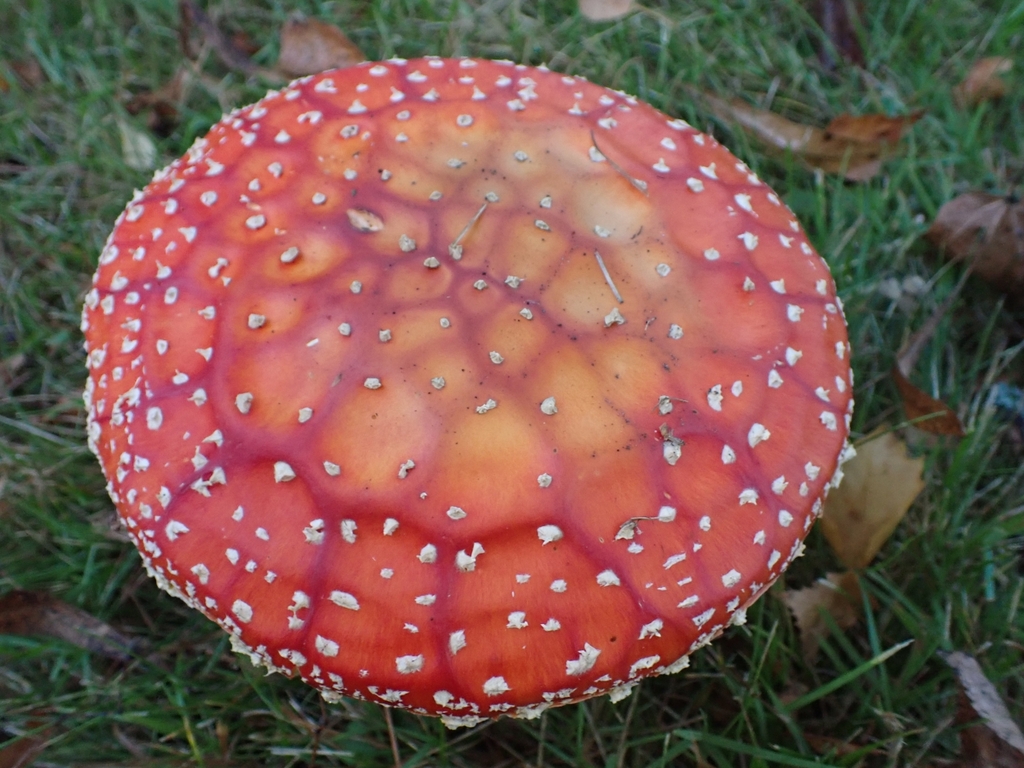
Jewelled Amanita
Amanita gemmata
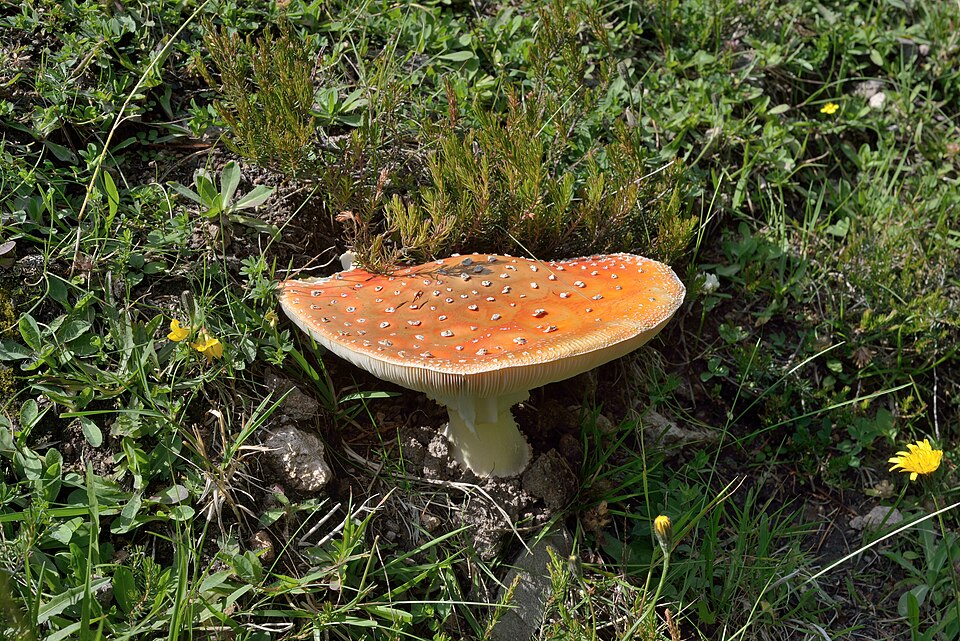
Fly Agaric
Amanita muscaria
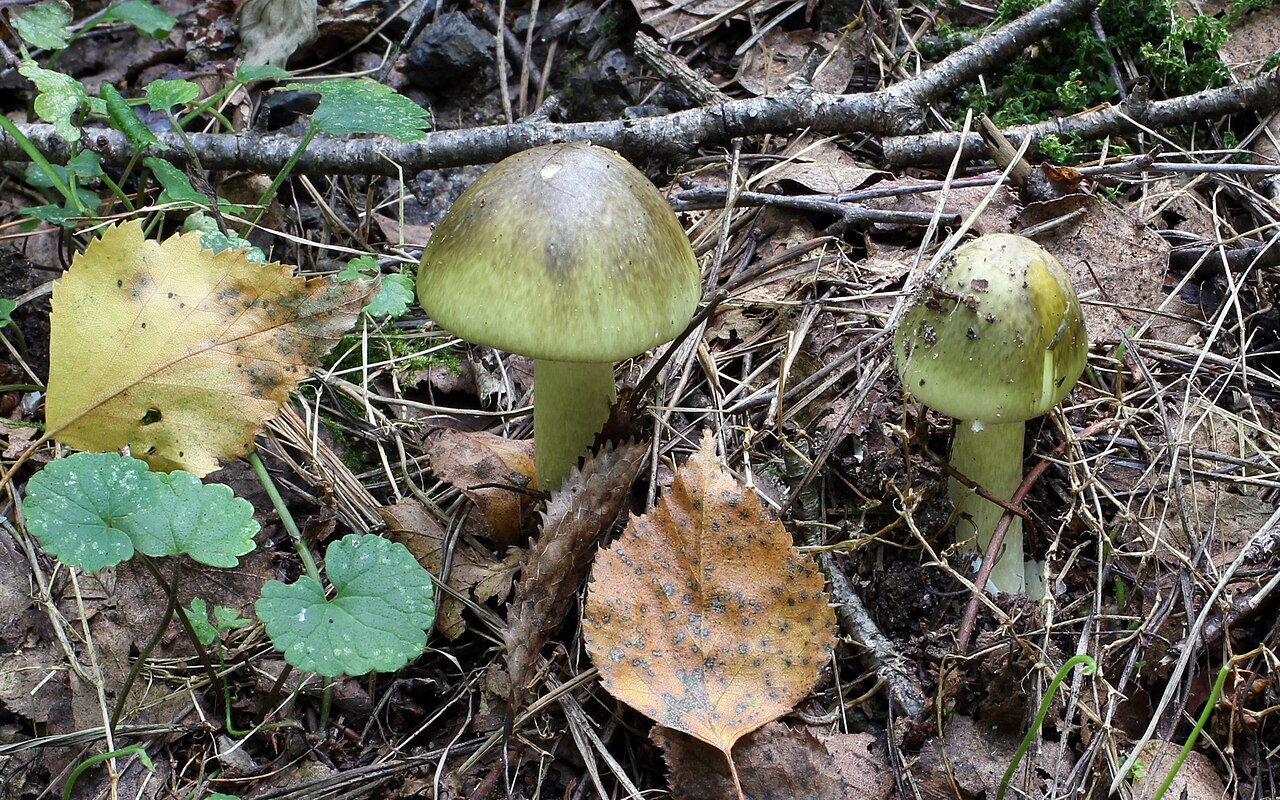
Death Cap
Amanita phalloides
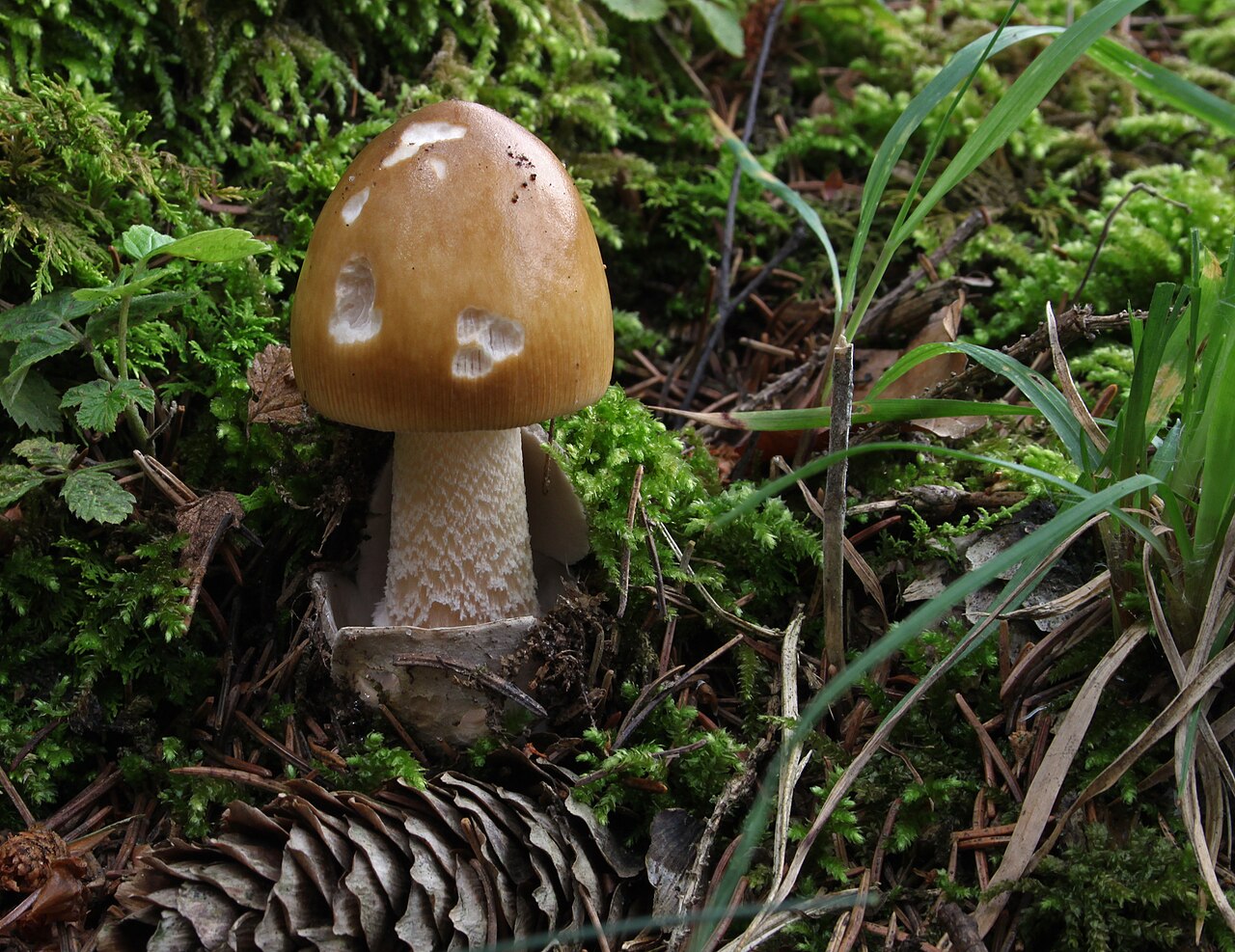
Tawny Grisette
Amanita fulva
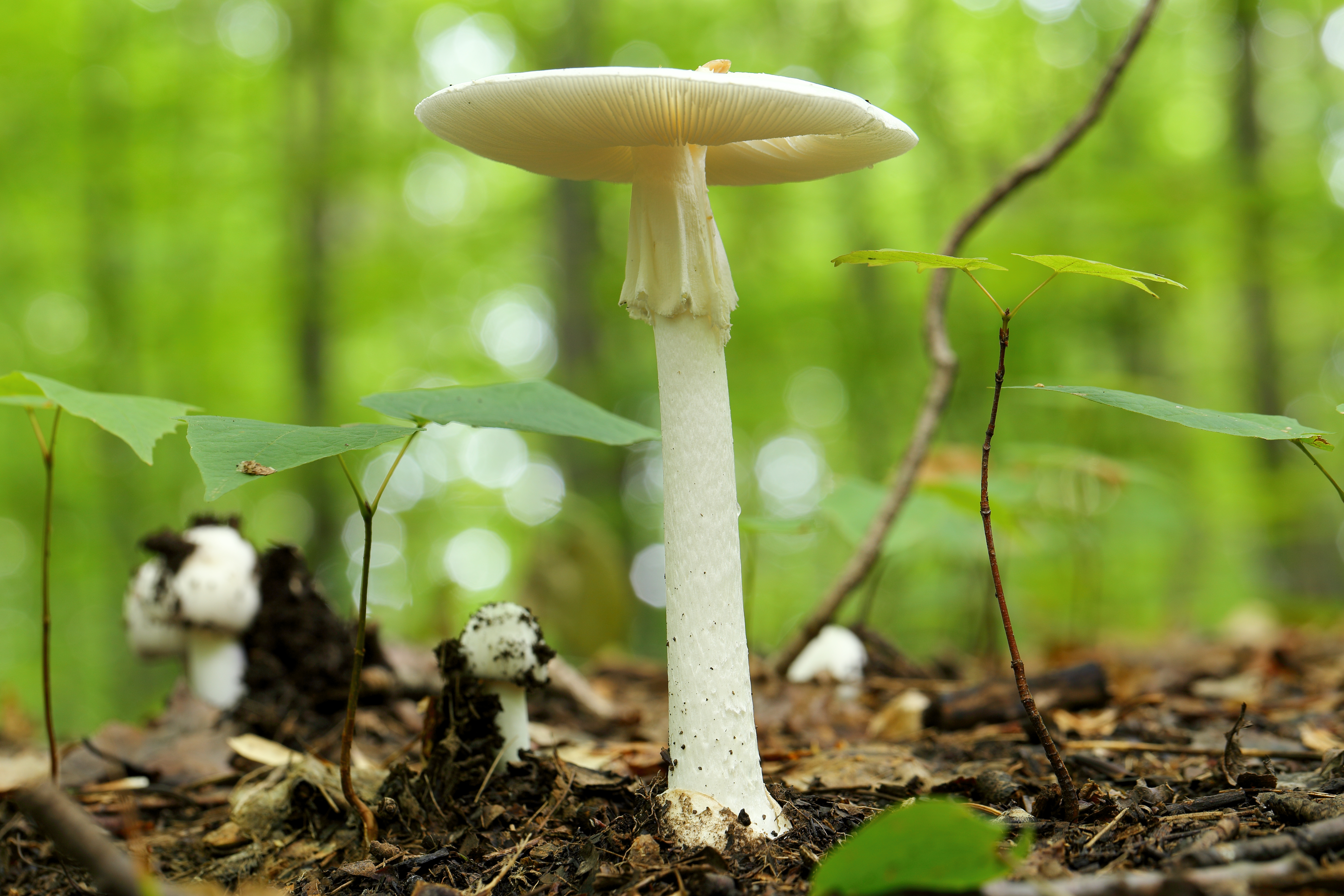
Destroying Angel
Amanita virosa
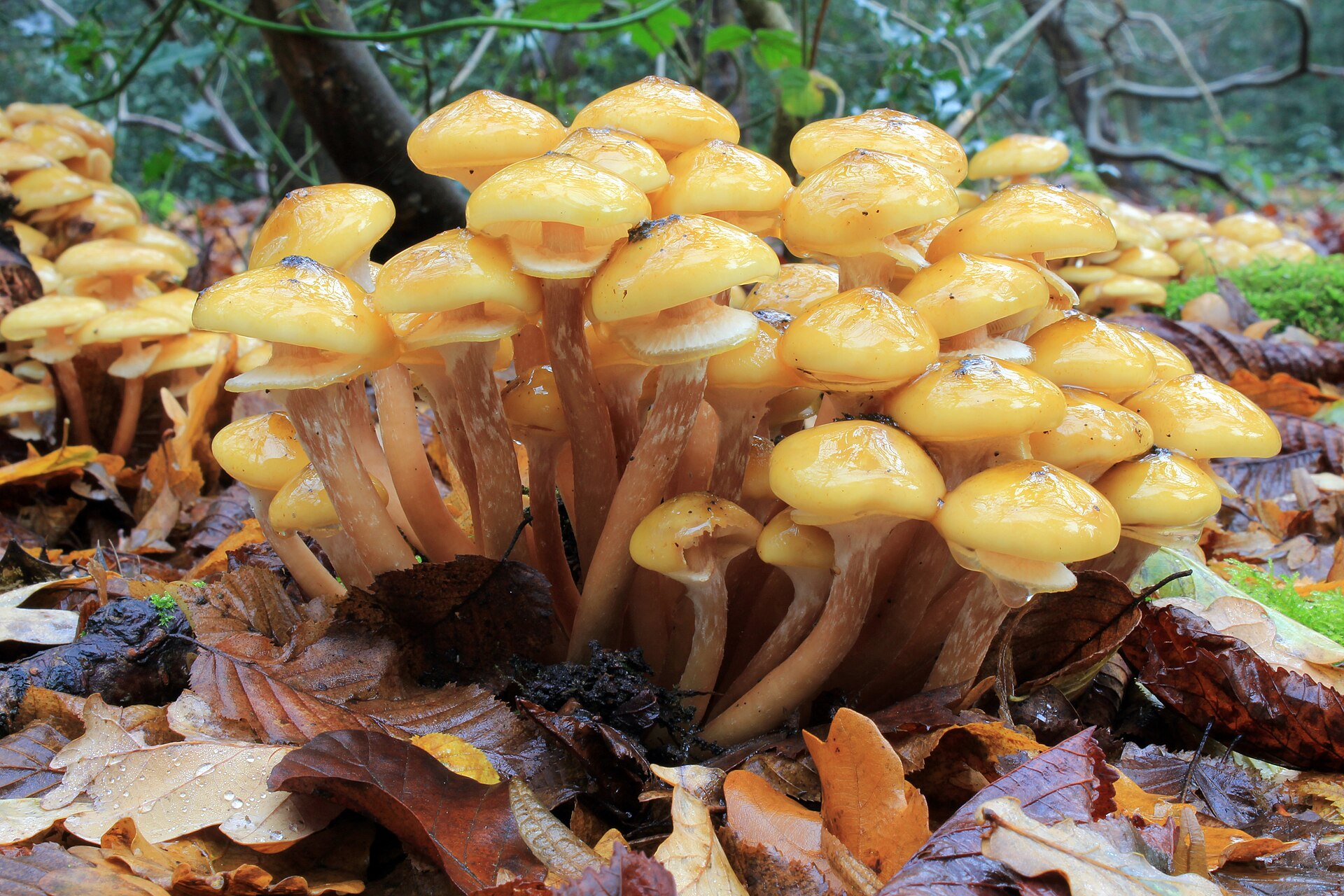
Honey Fungus
Armillaria mellea
And 80 more species guides. View all →