10 Most Dangerous Mushrooms in the World
By Elena Marchetti · Orangutany
These are the mushrooms responsible for the vast majority of fatal poisonings worldwide, many caused by amatoxin poisoning. Some look deceptively similar to popular edible species. For a broader overview of mushroom toxicity syndromes, knowing what they look like could save your life, or your dog's.
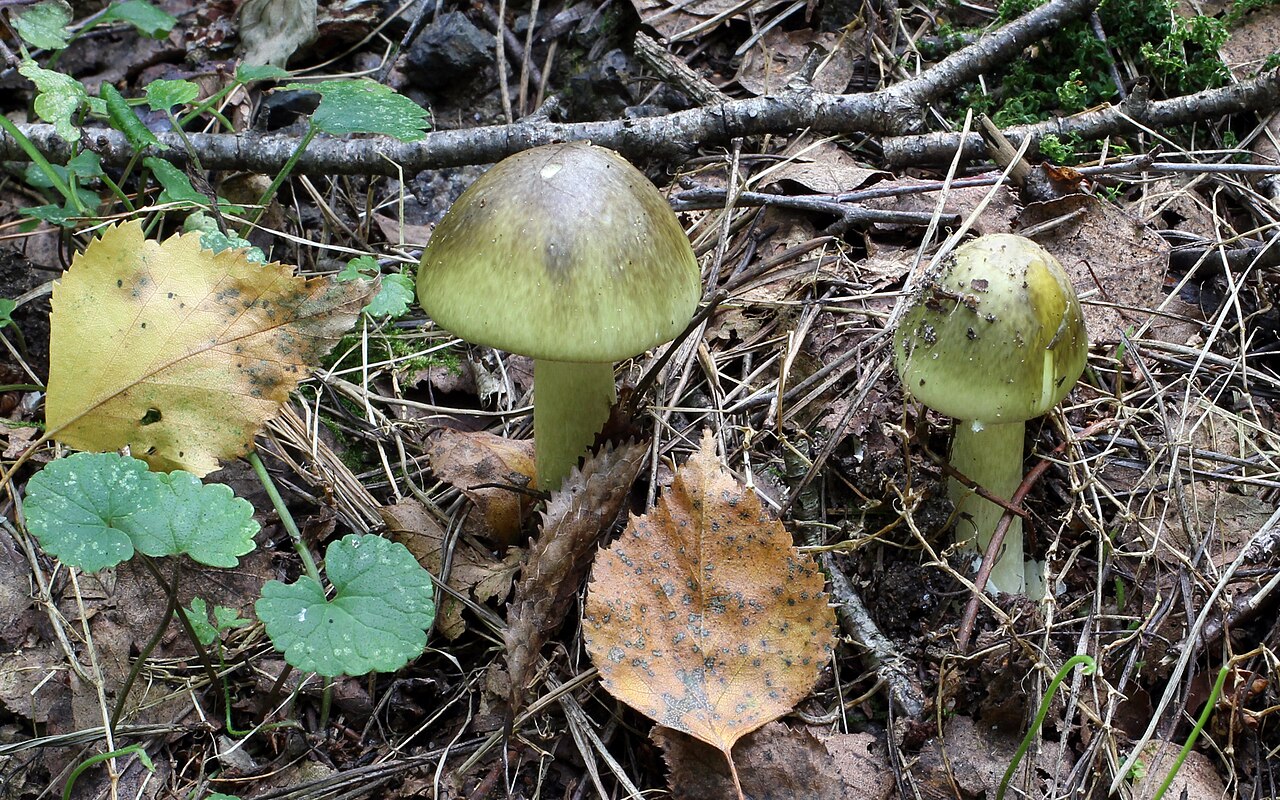
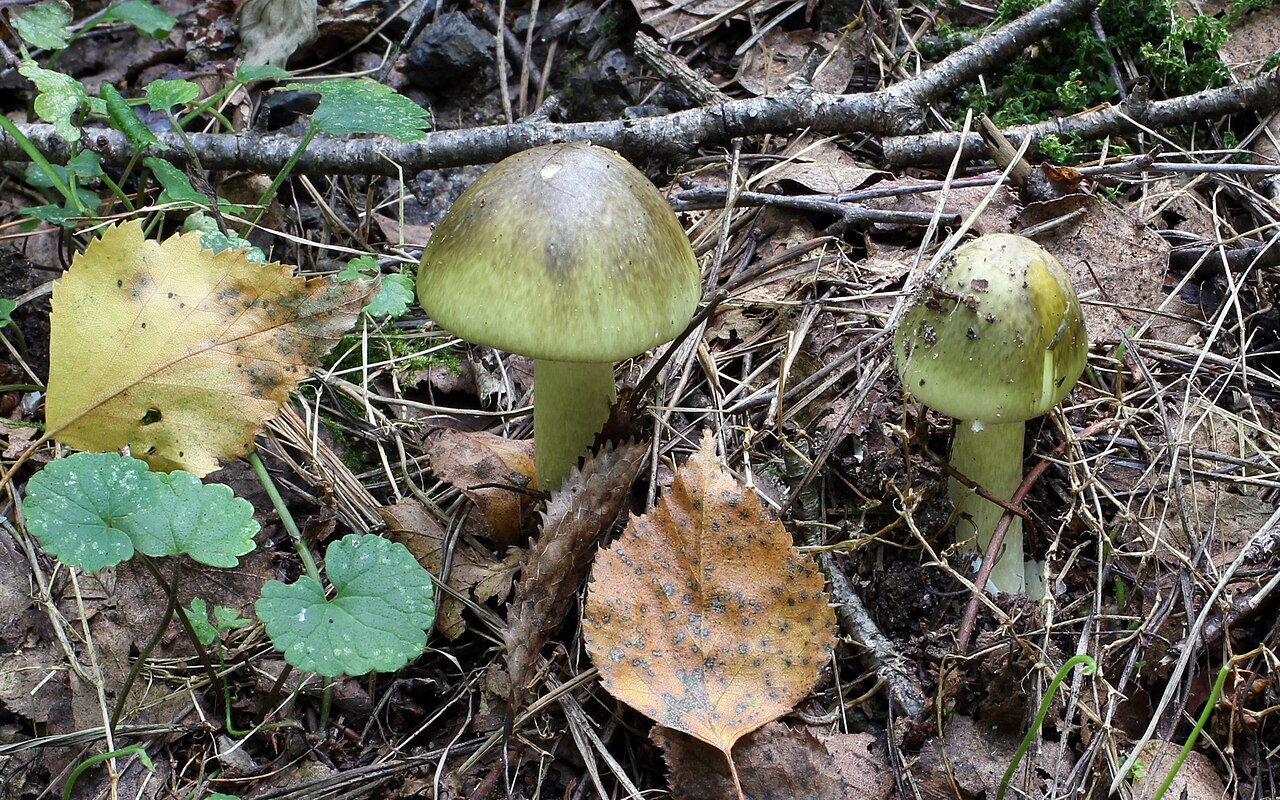
Death Cap
Amanita phalloides
Meet the world's deadliest mushroom. The Death Cap is responsible for roughly 90% of all mushroom-related fatalities worldwide, and it looks disturbingly similar to several edible species.
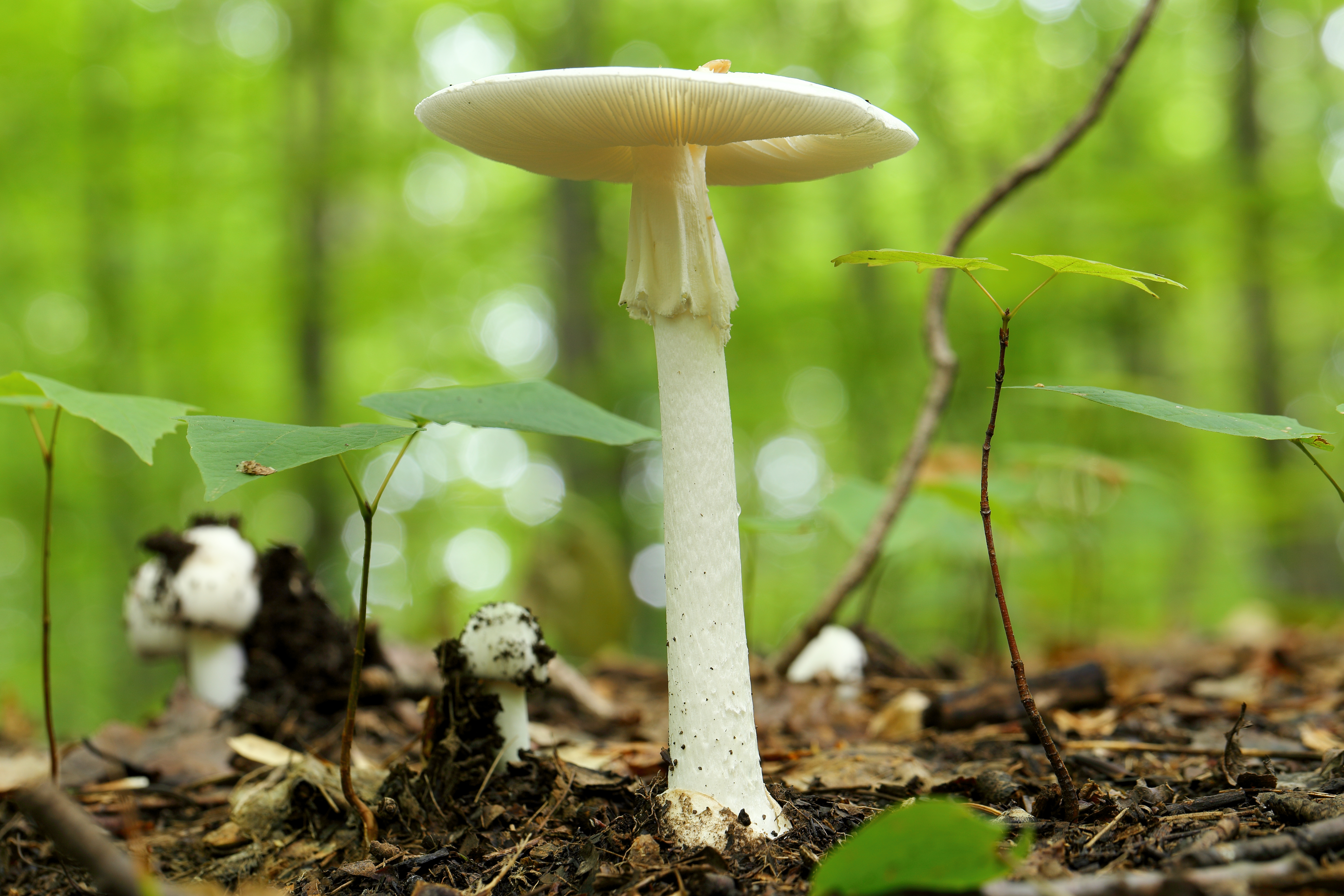
Destroying Angel
Amanita virosa
It looks like any harmless white mushroom you'd find on a morning walk. Pure white, elegant, almost angelic. And it will kill you. The Destroying Angel is one of the deadliest mushrooms on the planet — responsible for more fatal poisonings in Europe than almost any other species.
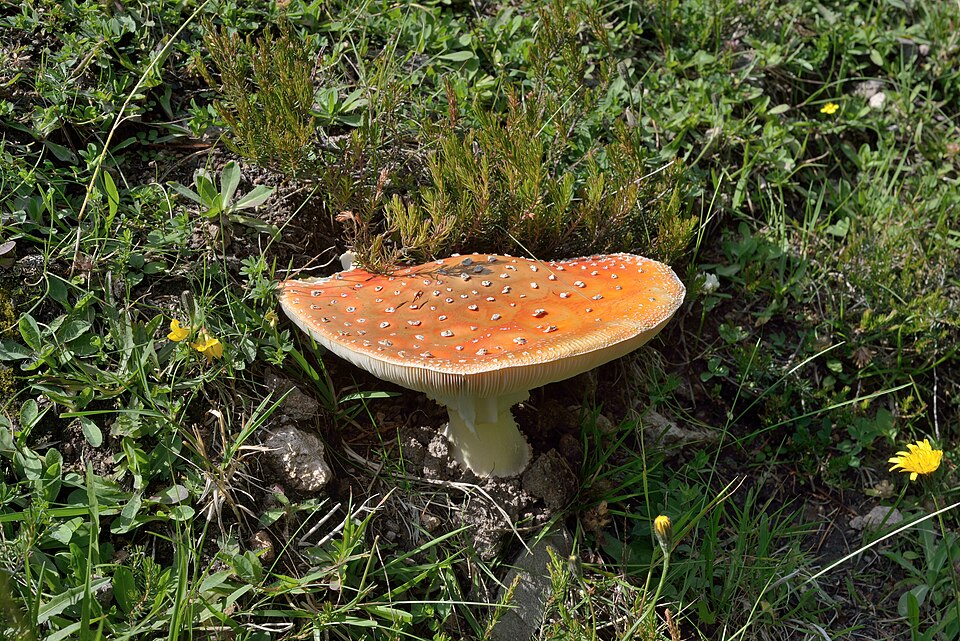
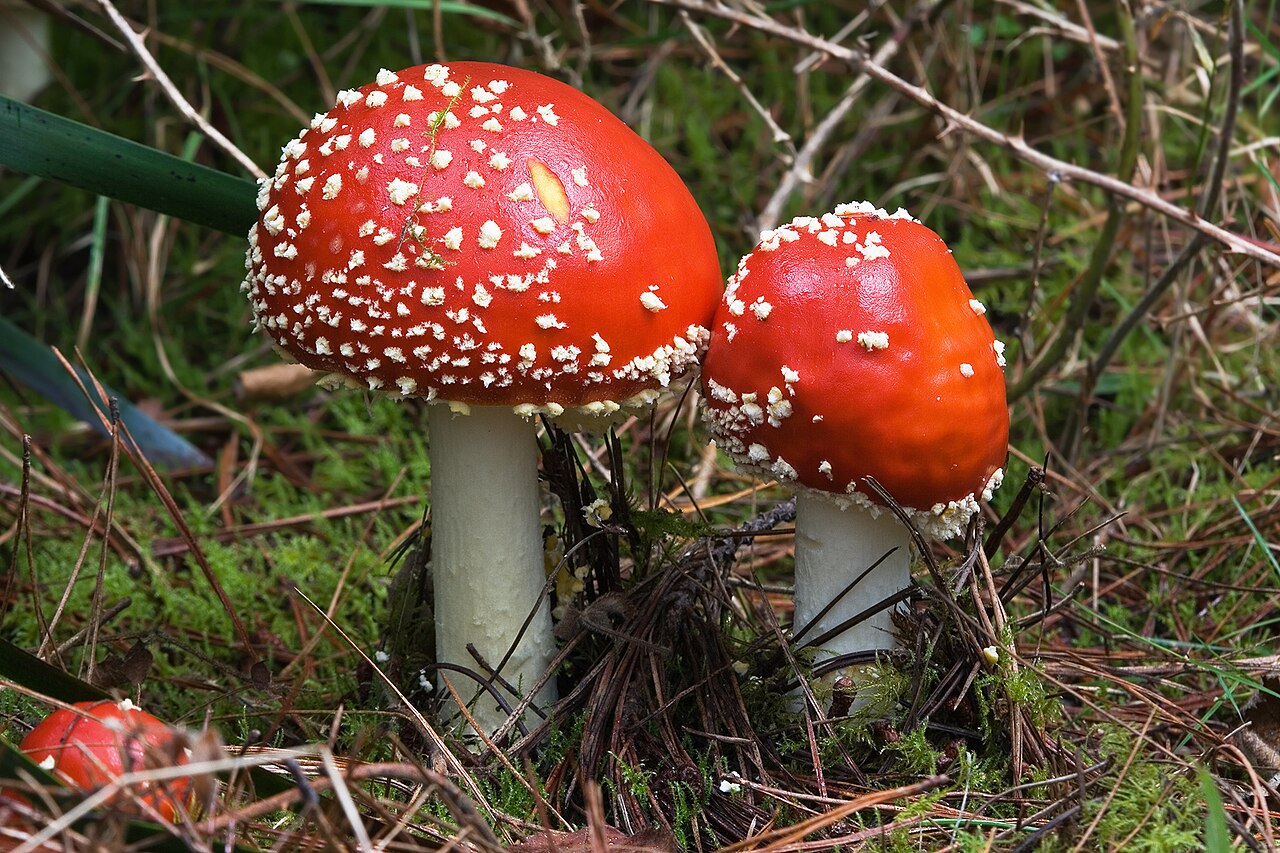
Fly Agaric
Amanita muscaria
If mushrooms had a celebrity, this would be it. The Fly Agaric is the red-and-white polka-dotted icon that shows up in fairy tales, video games, and Christmas decorations — and it's been messing with human minds (literally) for thousands of years.
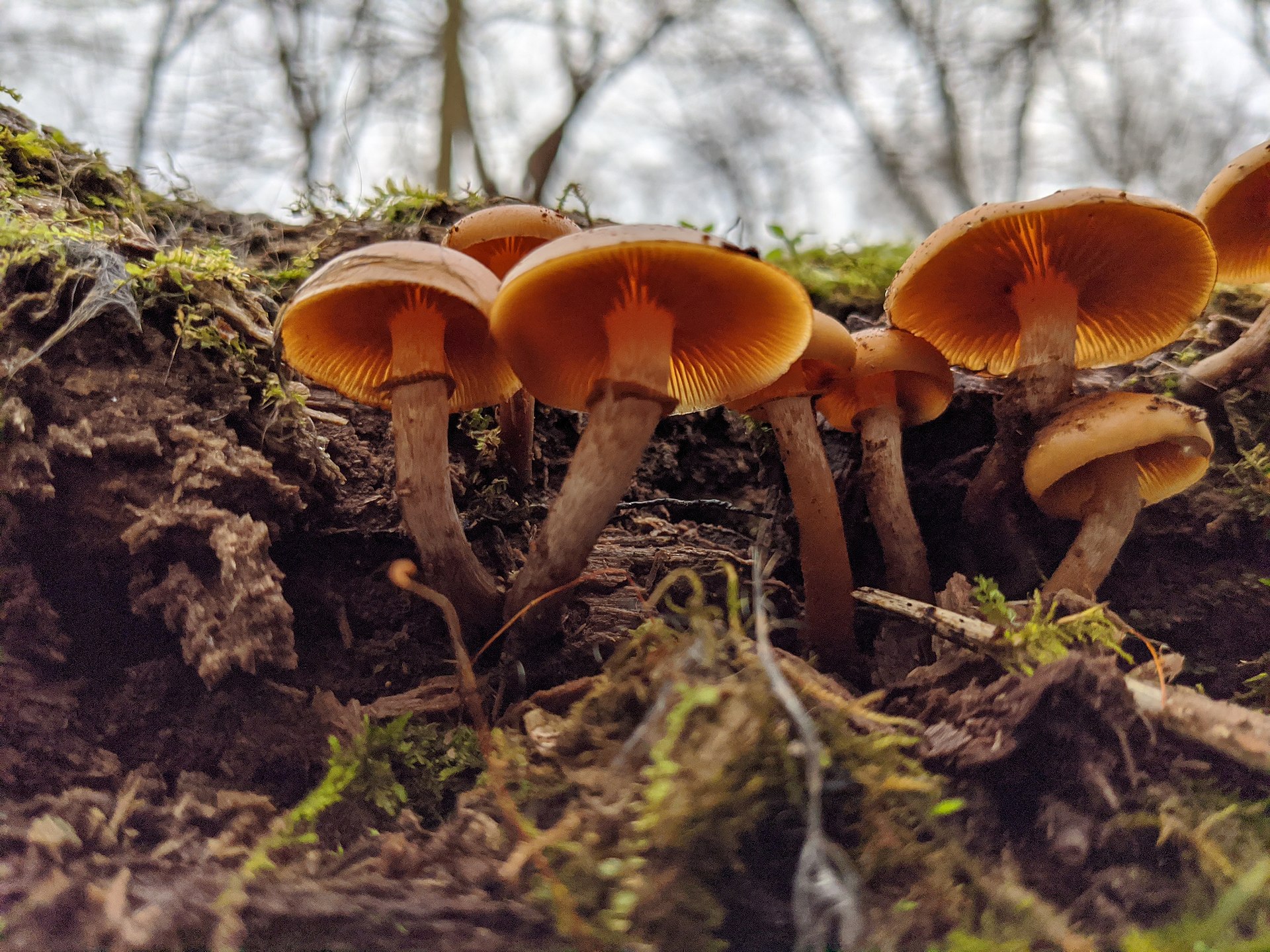
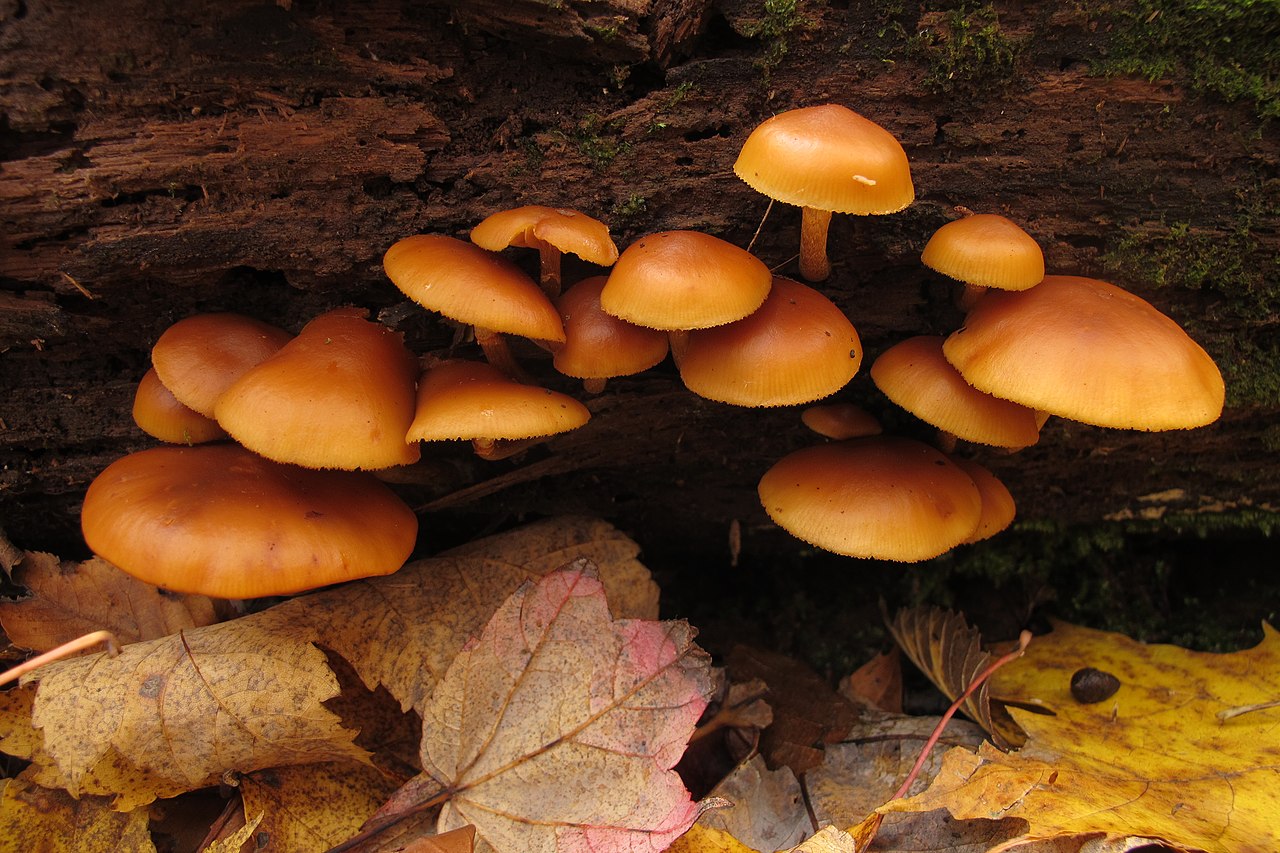
Funeral Bell
Galerina marginata
Don't let the size fool you. Galerina marginata is a tiny, innocent-looking brown mushroom that grows on rotting wood — and it contains the exact same amatoxins that make the Death Cap one of the deadliest organisms on Earth. It's responsible for multiple documented fatalities and is regularly confused with edible species.
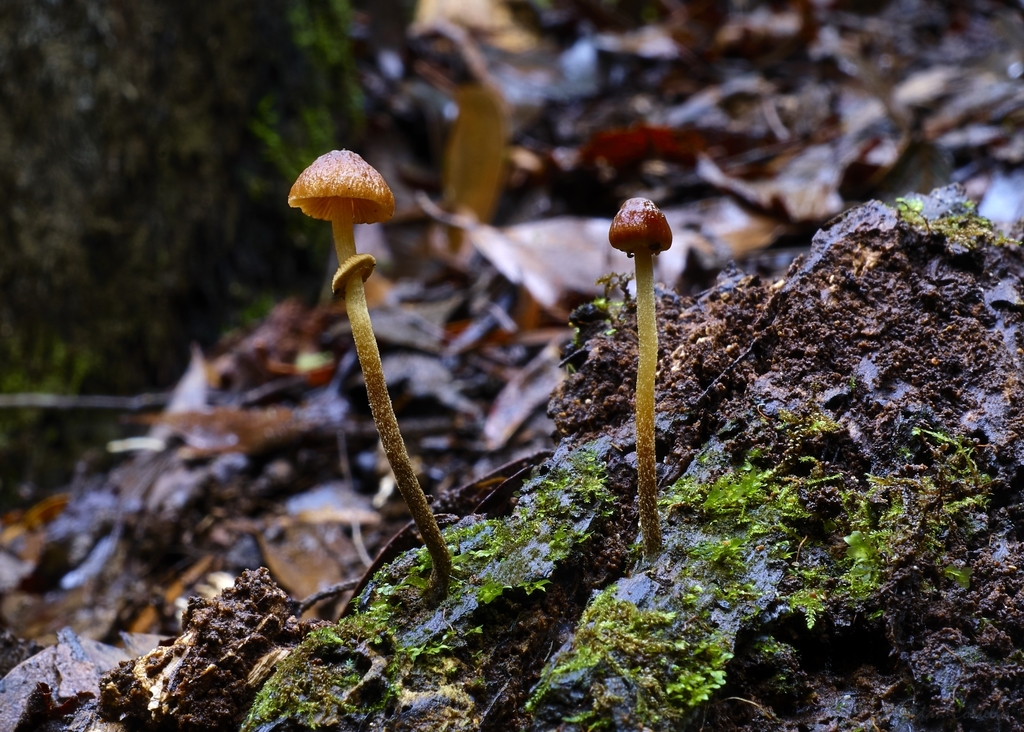
Deadly Conocybe
Conocybe filaris
A tiny, forgettable brown mushroom that pops up in lawns, gardens, and wood chips across North America and Europe. Do not let the size fool you: Conocybe filaris contains amatoxins, the same liver-destroying compounds found in the Death Cap. It is one of the most overlooked deadly mushrooms in the world.
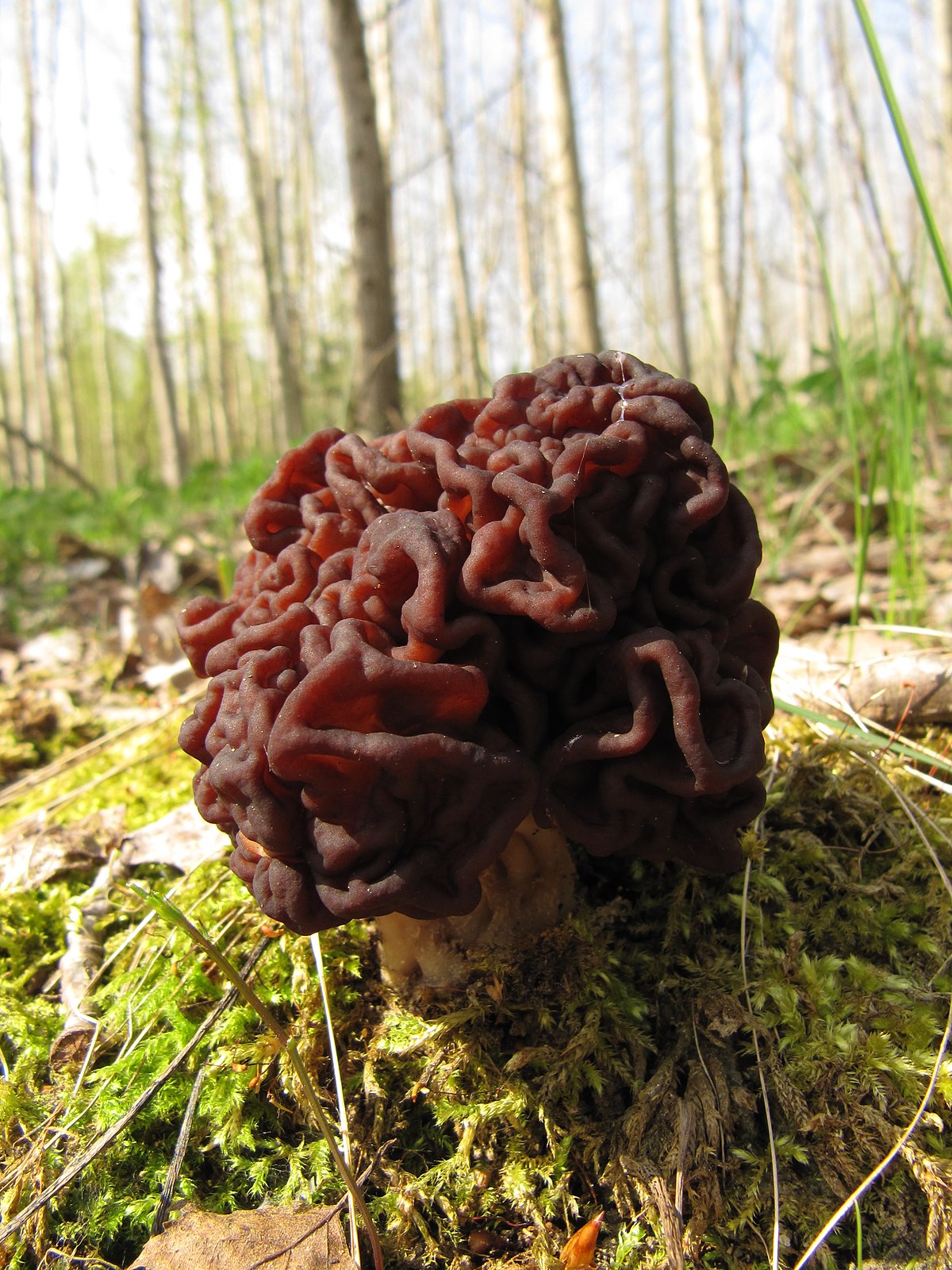
False Morel
Gyromitra esculenta
It looks like a wrinkly brain sitting on a stubby white stem, and it contains a compound that your body converts into literal rocket fuel. Gyromitra esculenta is one of the most paradoxical mushrooms on the planet — officially toxic, yet still eaten as a springtime delicacy across Finland and parts of Eastern Europe.
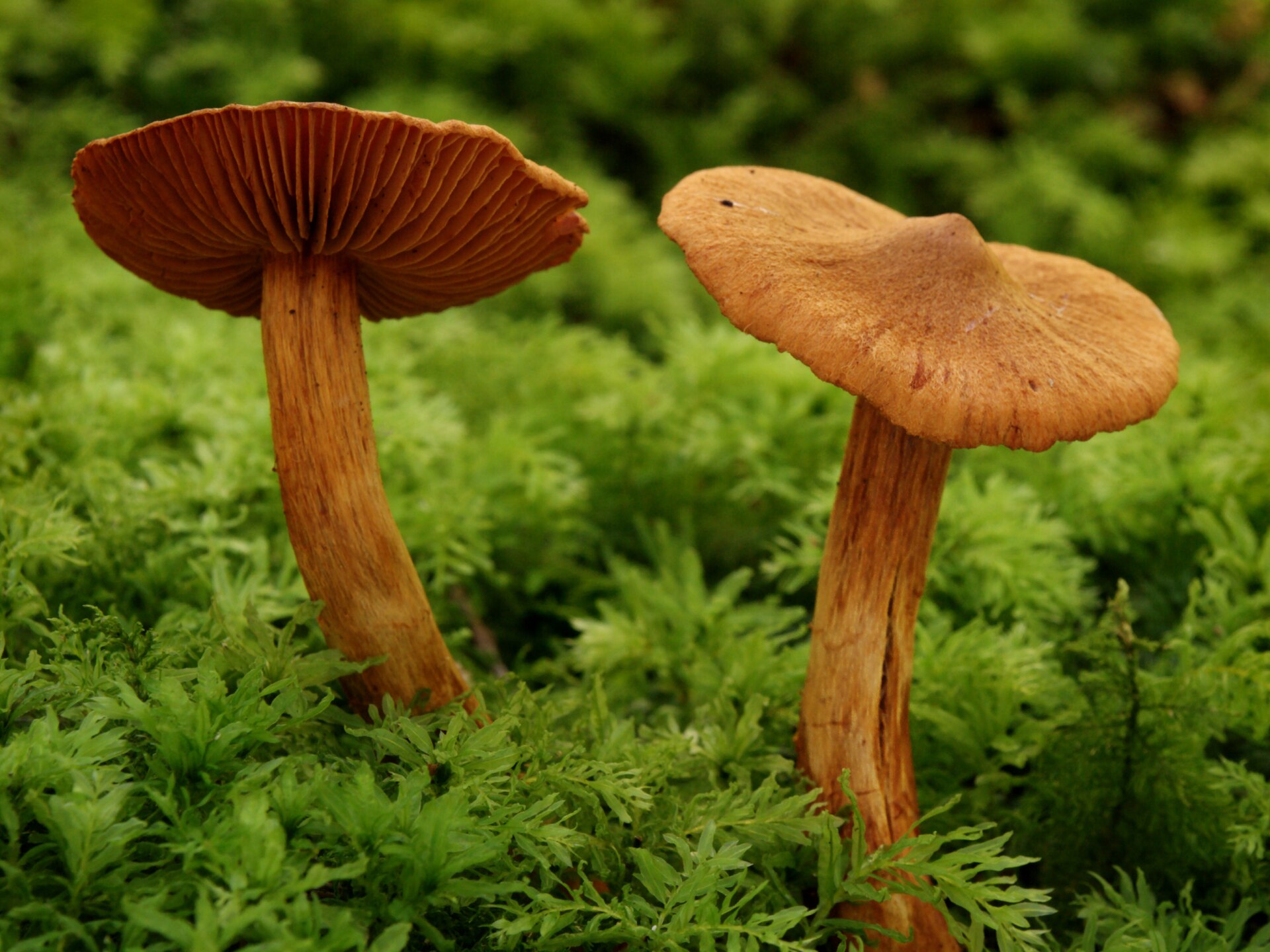
Deadly Webcap
Cortinarius rubellus
The Deadly Webcap is a small, plain, tawny-orange mushroom that destroys your kidneys. Symptoms can take up to three weeks to appear, by which point the damage is irreversible. It is one of the most insidious killers in the fungal kingdom.
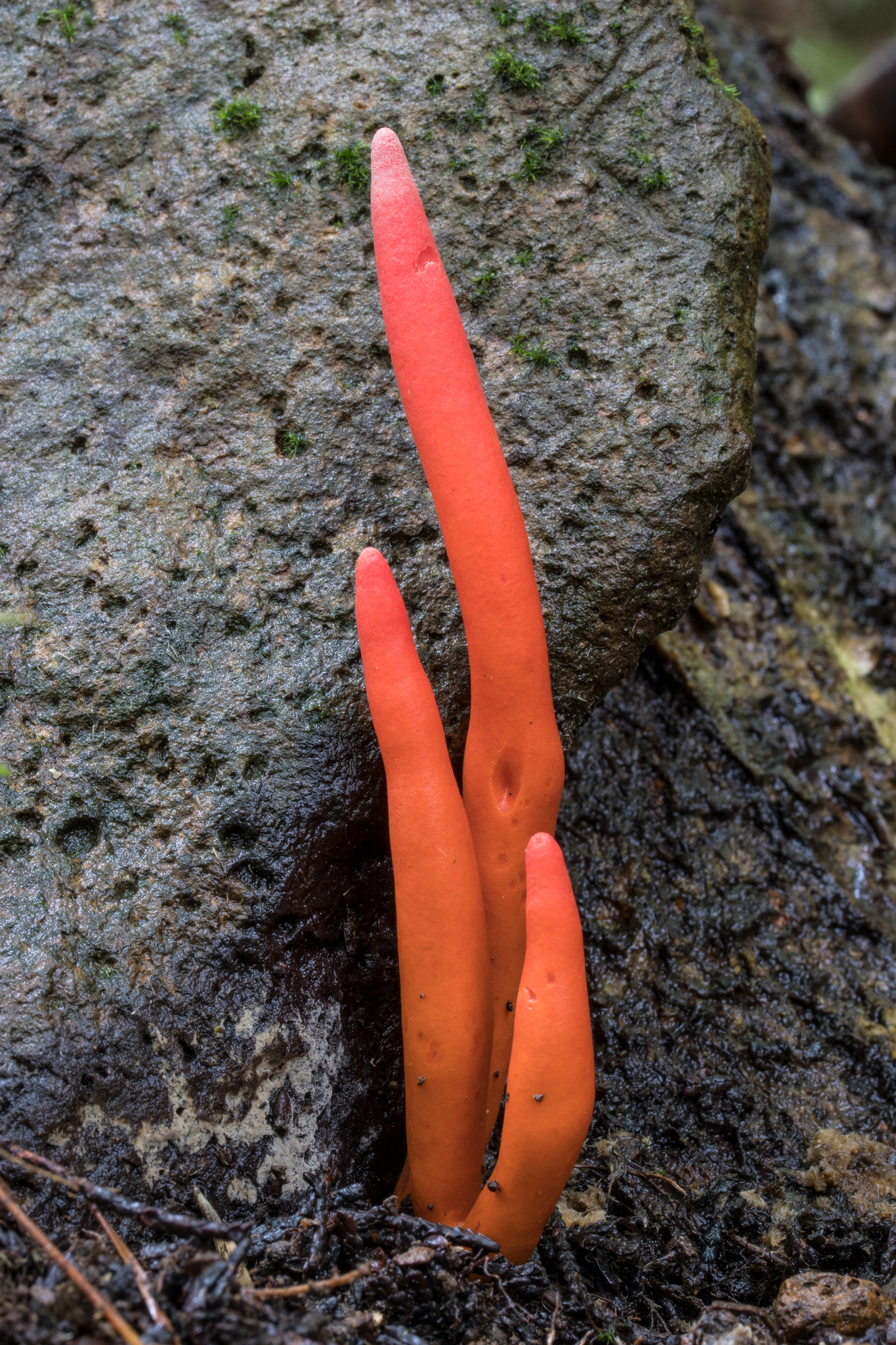
Poison Fire Coral
Podostroma cornu-damae
Poison Fire Coral is a bright red, finger-like fungus from East Asia that contains trichothecene mycotoxins, the same class of compounds used in biological weapons. It is one of very few mushrooms that can kill through skin contact alone, though most fatalities occur from ingestion.
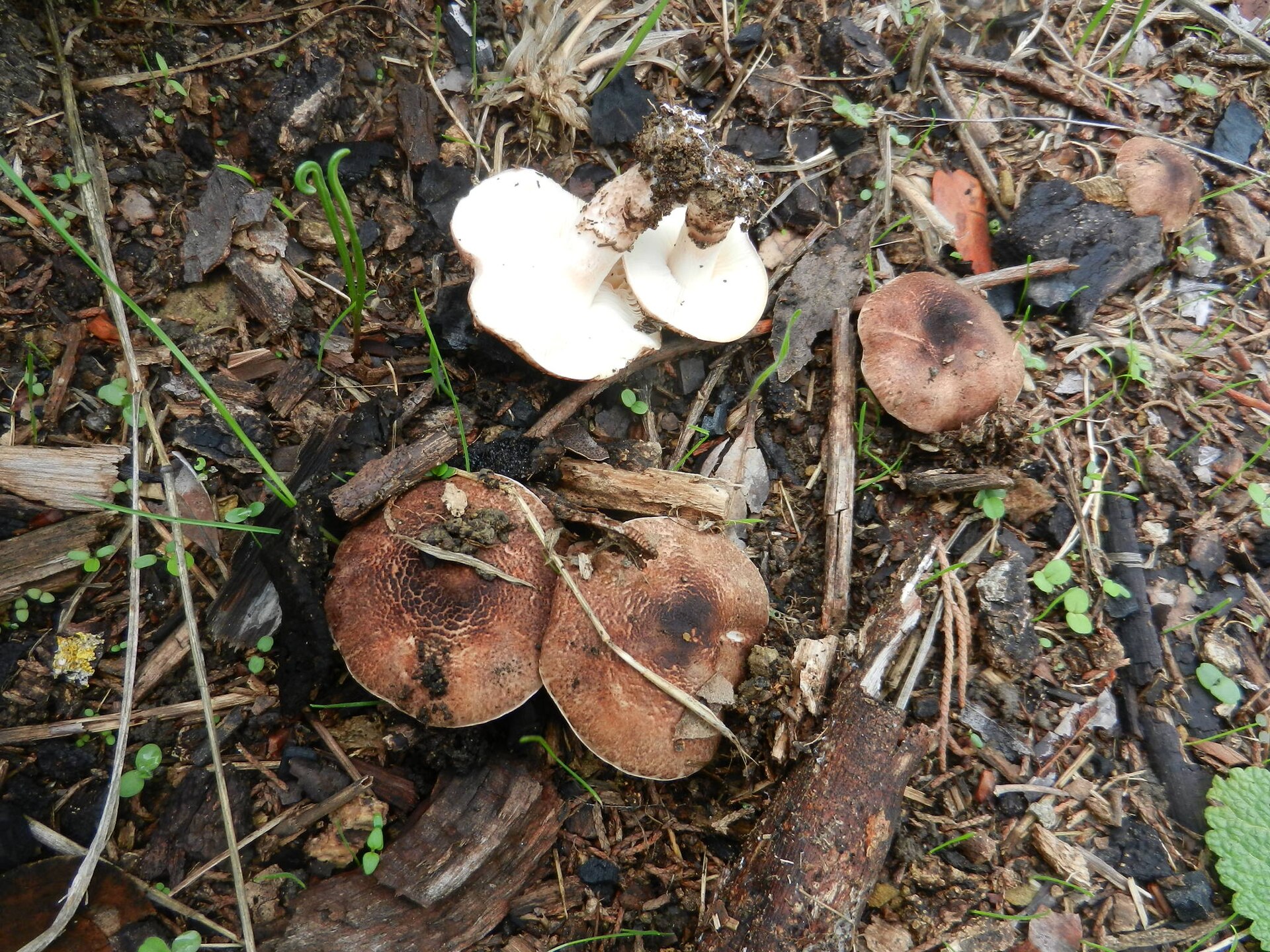
Deadly Dapperling
Lepiota brunneoincarnata
The Deadly Dapperling is a small, lethal mushroom that contains the same amatoxins as the Death Cap. It grows in parks, gardens, and urban green spaces, precisely the places where casual foragers are most likely to encounter it. Its modest size makes it easy to underestimate.
More species coming soon. We're building detailed guides for all 10 species.
Found a mushroom you can't identify? Orangutany can help you identify it from a photo.