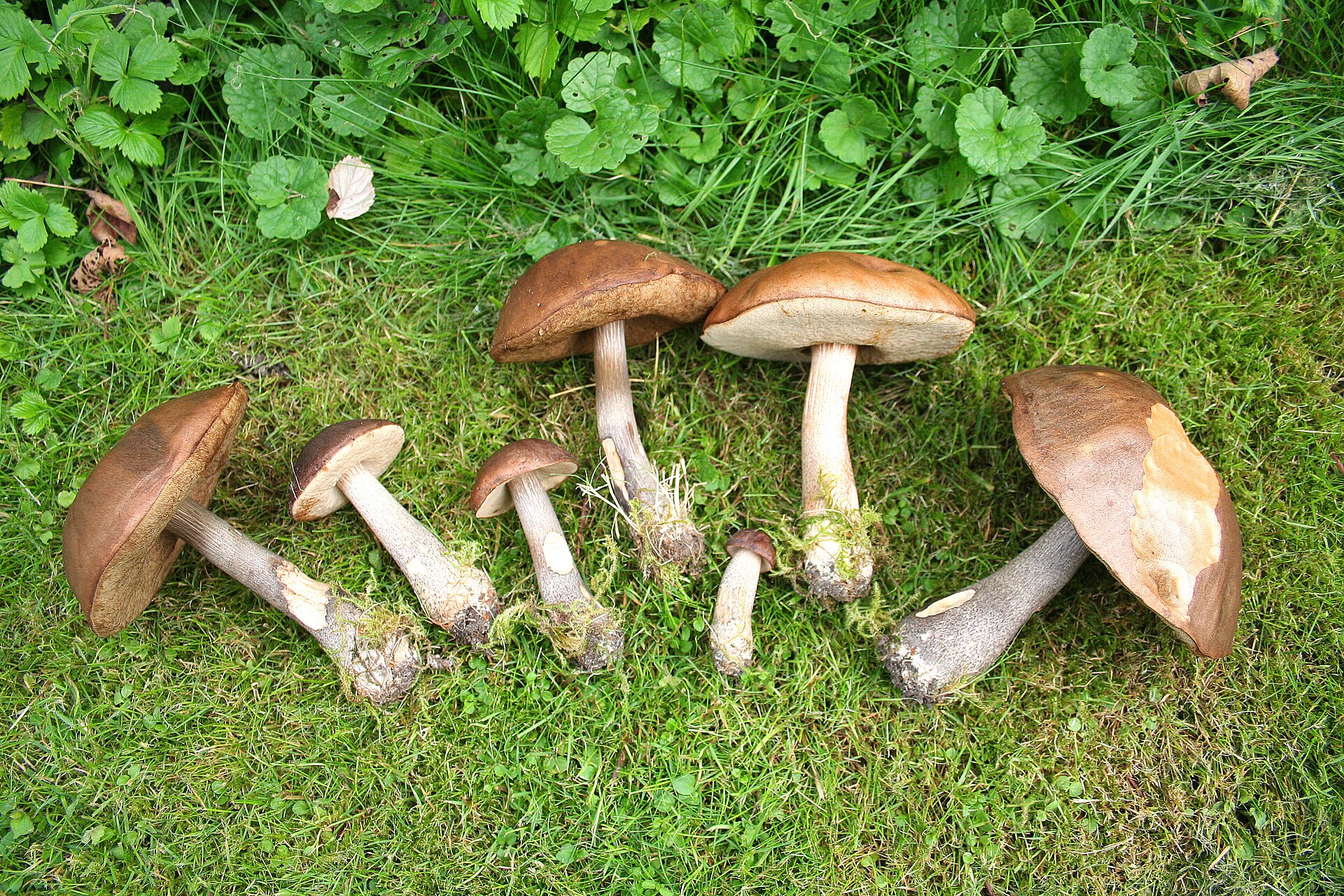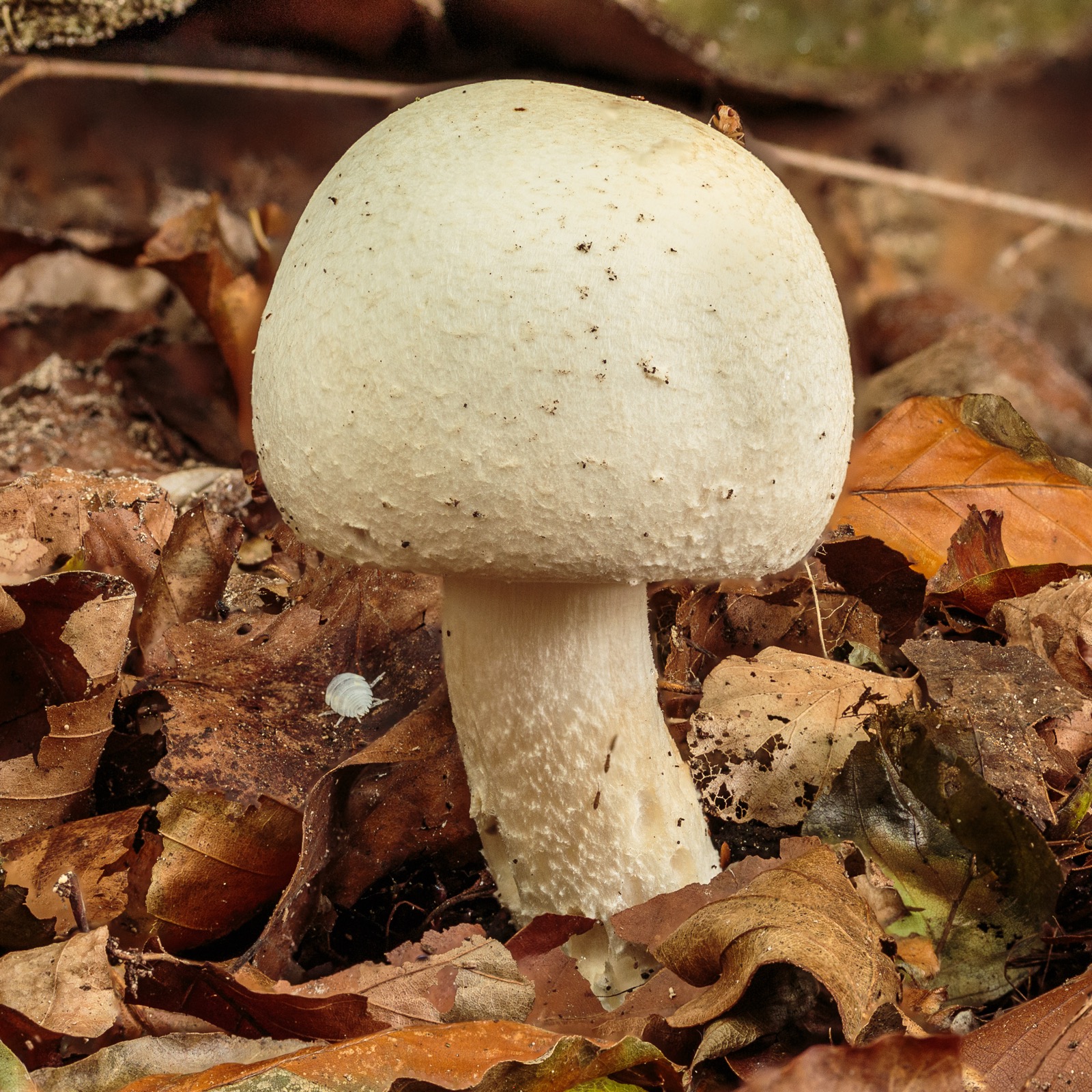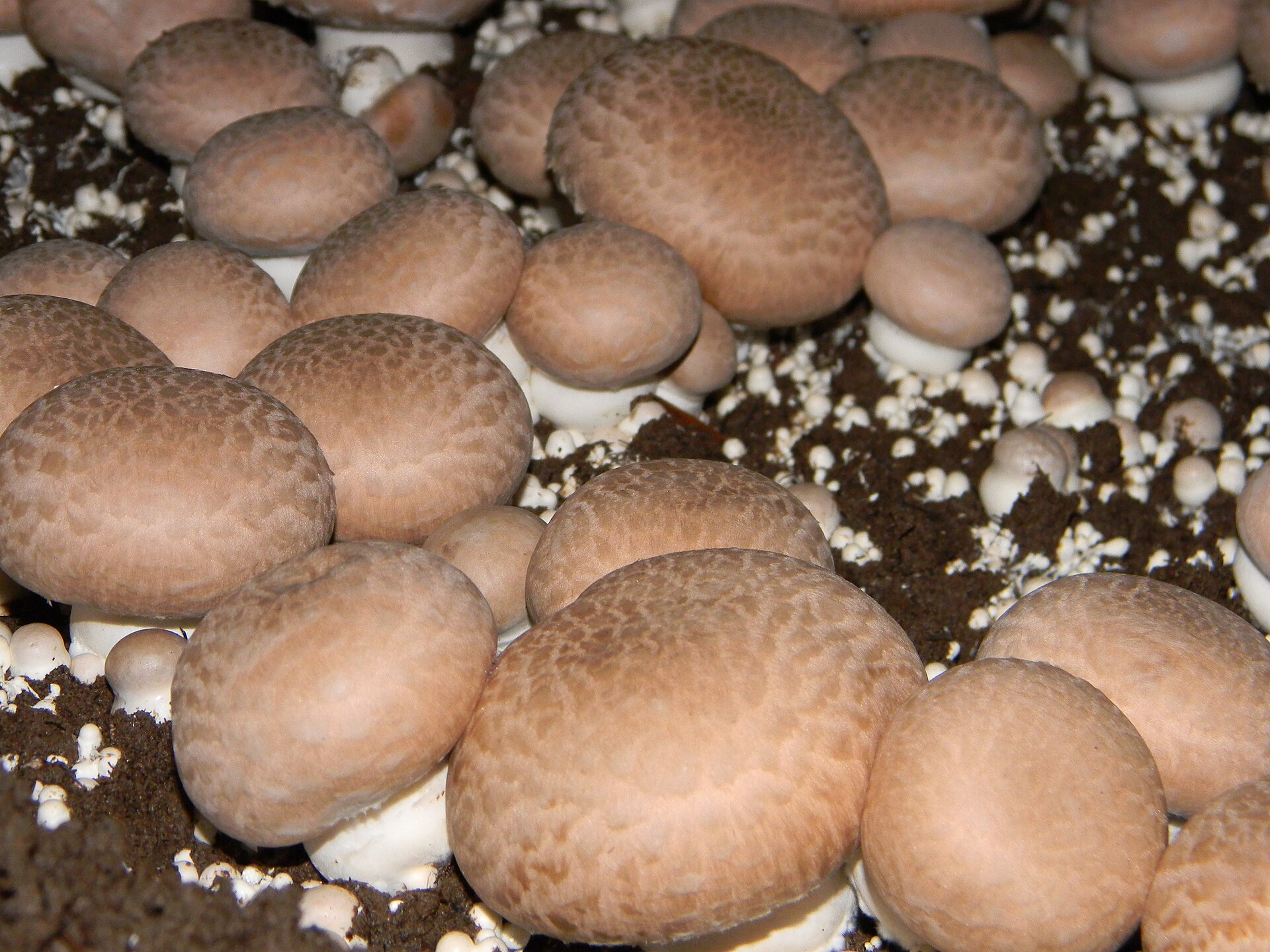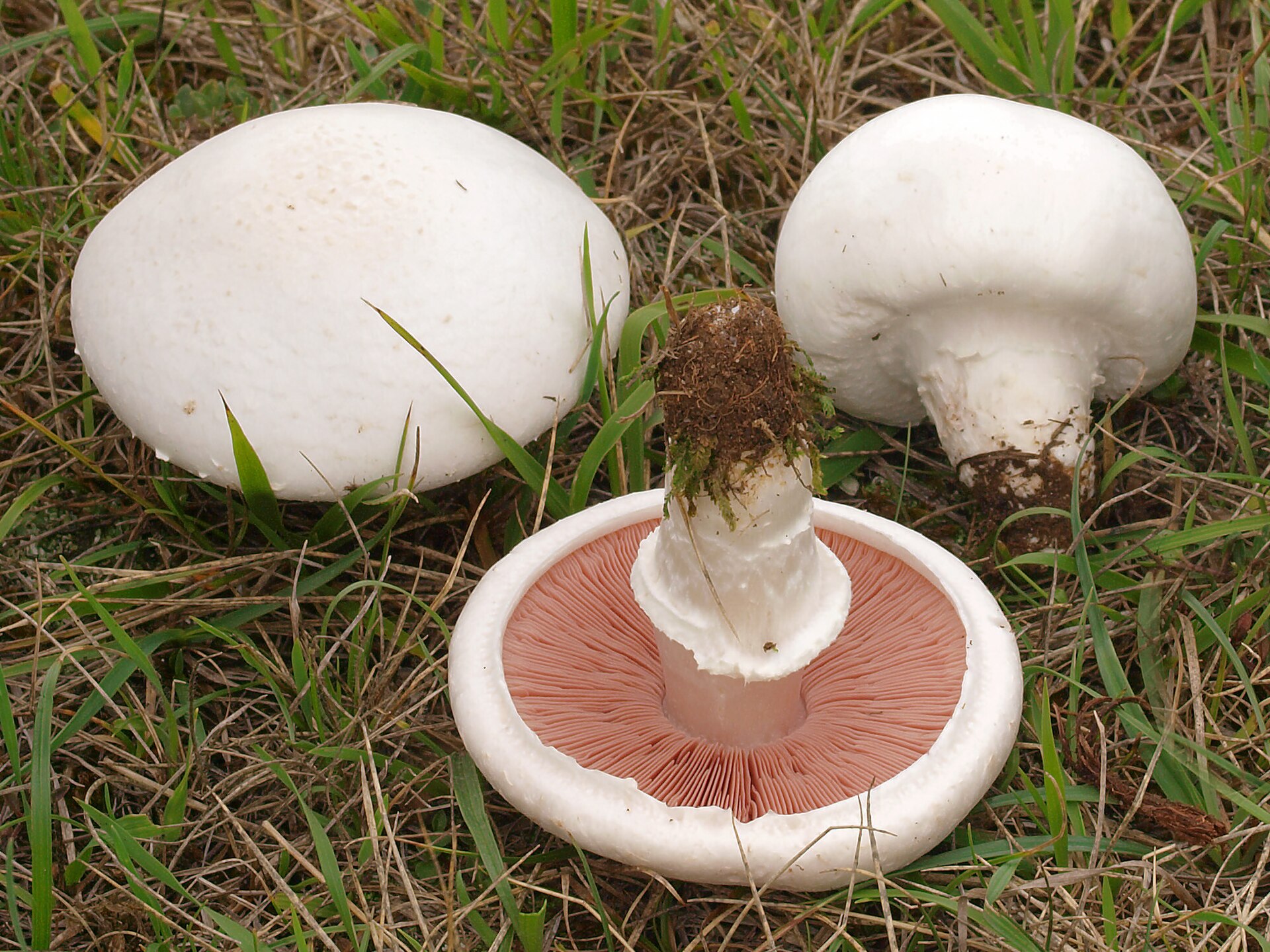
Photo by Hans Hillewaert · Wikimedia Commons · CC BY-SA 4.0
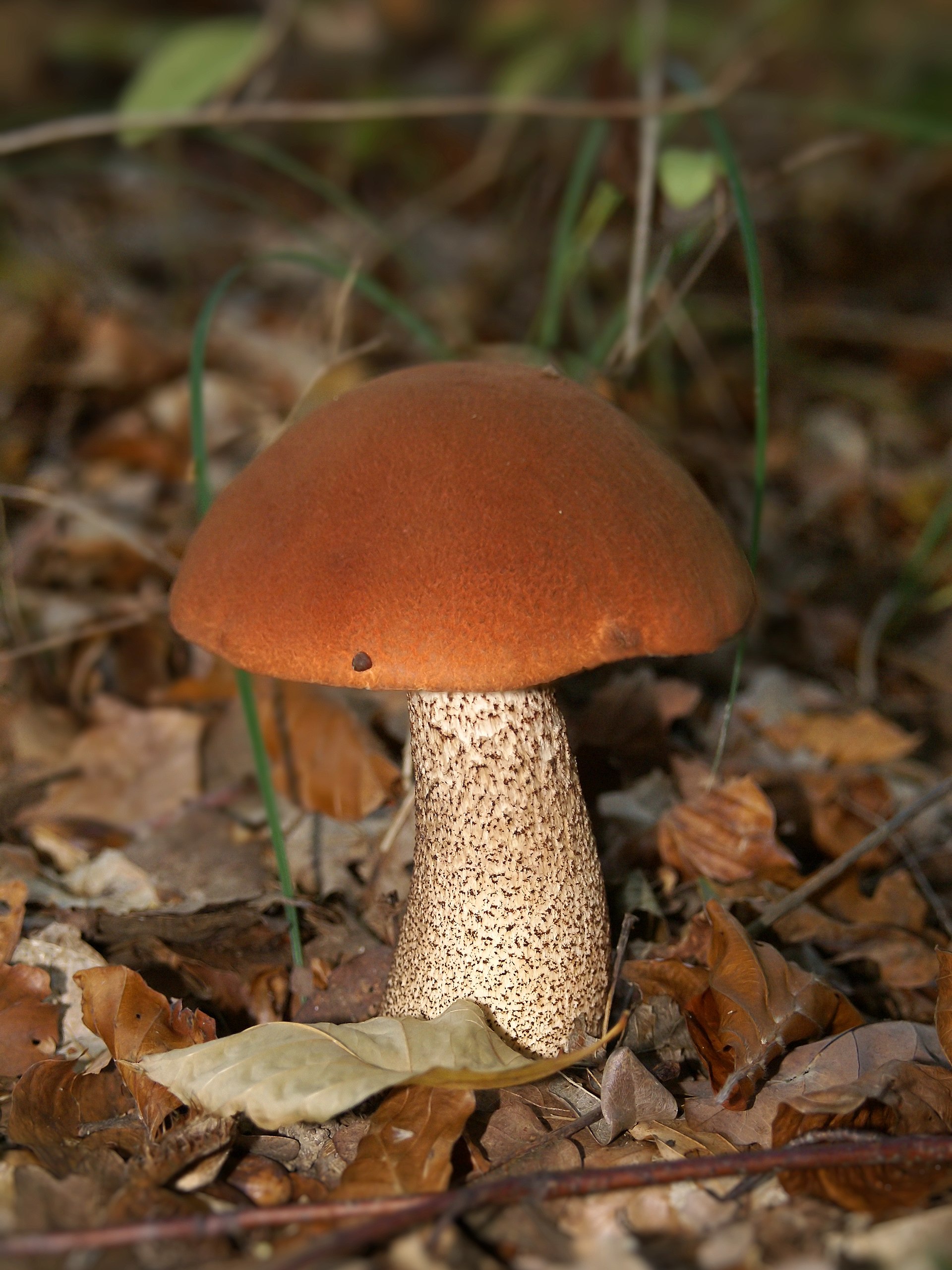
A striking, flame-capped bolete that lights up birch and aspen forests like a signal flare in autumn. The Orange Birch Bolete is one of the most photogenic edible mushrooms in the Northern Hemisphere, with vivid orange to brick-red caps perched on tall, scaber-covered stems that can reach impressive sizes.
Finding an Orange Birch Bolete in the forest feels like spotting a campfire through the trees. That blazing orange cap, sometimes the size of a dinner plate, sitting atop a sturdy white stem flecked with dark scales, is one of the most satisfying sights in mushroom foraging. The species is widespread across Europe and North America, fruiting reliably under birch and aspen from late summer through autumn.
The taxonomy of orange-capped Leccinum species is genuinely messy. Depending on which mycologist you ask, Leccinum aurantiacum may refer specifically to the aspen-associated form, while Leccinum versipelle covers the birch-associated orange boletes. For practical foraging purposes, the distinction matters less than the key features they share: orange cap, scabrous stem, flesh that stains through a sequence of colors when cut (pinkish, then grayish, then dark gray to nearly black). This color-change reaction is dramatic and unmistakable.
In Russia and Eastern Europe, this mushroom is called podossinovik ('under-aspen') and is considered among the finest wild edibles. Entire families plan autumn weekends around podossinovik hunting, and the mushroom features in traditional recipes from pickled preparations to hearty soups. Scandinavians hold it in similar regard.
The flesh is firmer than the Brown Birch Bolete, which makes it better for cooking. Young specimens with tight, convex caps are the prize. Older ones develop soft, waterlogged pore layers that should be removed before cooking. Like most Leccinum species, the Orange Birch Bolete should always be cooked thoroughly, as there are scattered reports of gastrointestinal upset from undercooked specimens.
Orange Birch Bolete Facts
- ●The flesh of the Orange Birch Bolete goes through a remarkable color sequence when cut: white to pinkish to grayish to nearly black. This oxidation reaction involves the same type of enzyme (tyrosinase) that causes cut apples to brown.
- ●In Russia, the Orange Birch Bolete (podossinovik) consistently ranks among the top three most-collected wild mushrooms, alongside porcini and chanterelles.
- ●Despite the name 'Orange Birch Bolete,' many populations are actually associated with aspen and poplar rather than birch. The taxonomy remains actively debated among mycologists.
- ●A single mature Orange Birch Bolete can weigh over 500 grams, making it one of the heftier boletes you are likely to encounter in a typical forest walk.
Stories From the Field
The Podossinovik Pilgrimage
Every September, families across central Russia head to birch and aspen forests on what they call 'quiet hunting' (tikhaya okhota). The Orange Birch Bolete is one of the top targets. Trains from Moscow to surrounding towns are packed with foragers carrying baskets, and roadside mushroom markets spring up along major highways.
A Record Leccinum in Norway
A Norwegian mycological society member documented a specimen near Trondheim in 2018 with a cap measuring 28 cm across and a stem nearly 25 cm tall. The photos, shared on the society's website, showed a mushroom so large it barely fit in a standard collection basket. Members debated whether it was L. aurantiacum or L. versipelle for weeks.
The Color-Changing Flesh That Startles Beginners
A common post on foraging forums: someone cuts an Orange Birch Bolete in half, watches the white flesh turn pink, then gray, then nearly black within minutes, and panics. Experienced foragers reassure them every time. The oxidation reaction is completely harmless and is actually one of the best confirmation features for the species.
Where It's Been Found
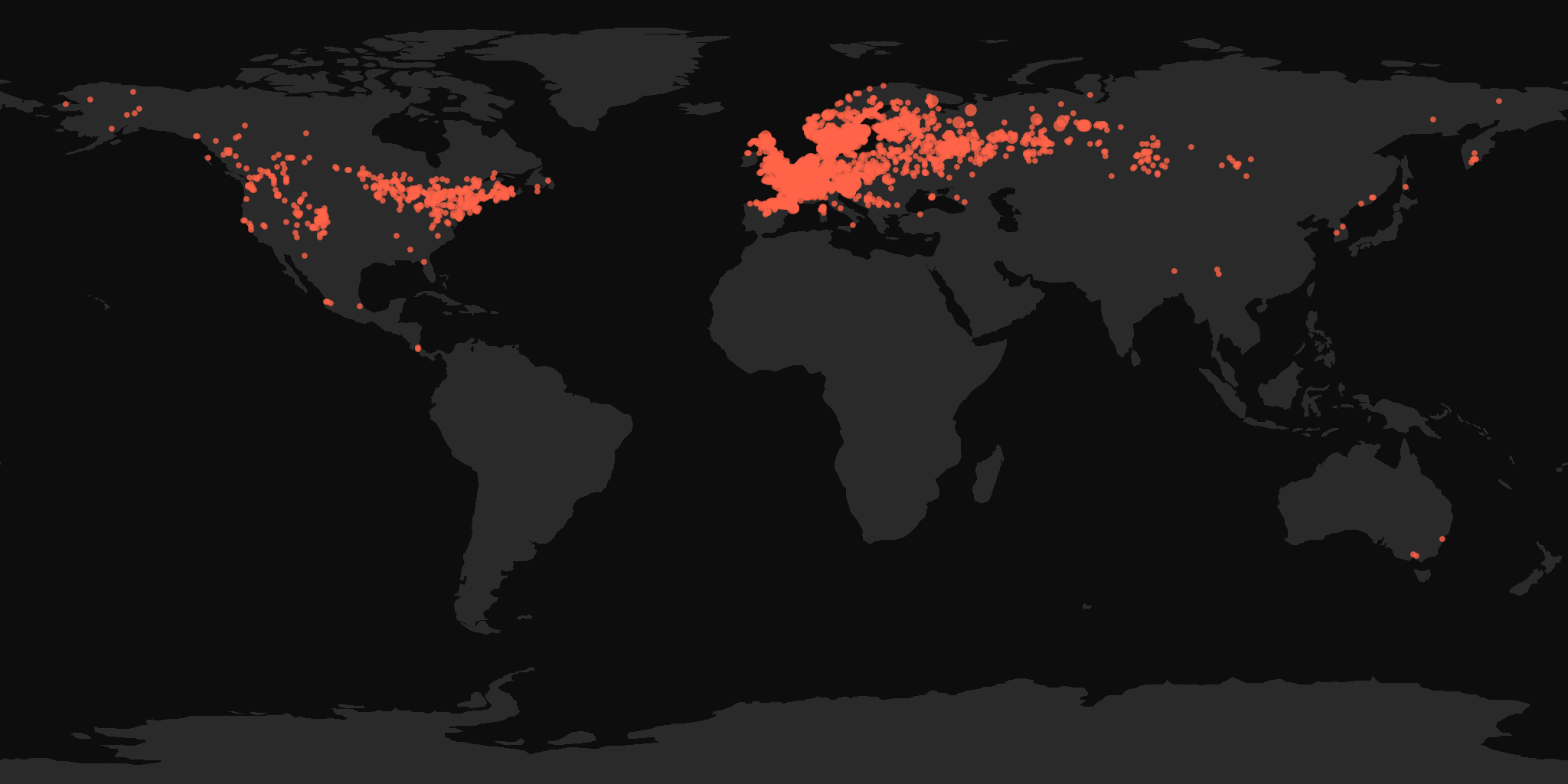
Based on reported sightings worldwide
How to Identify Orange Birch Bolete
Cap
8-20 cm across, sometimes larger. Convex, becoming broadly convex to flattish. Surface is dry to slightly tacky, finely textured. Color ranges from vivid orange to brick-red, reddish-brown, or tawny. Can fade to brownish-orange in dry weather.
Gills
No gills. Pore surface is whitish to pale gray when young, becoming brownish with age. Pores are small, round, and may bruise slightly brownish when pressed.
Stem
12-22 cm tall, 3-5 cm thick. White to pale gray background, densely covered in scabrous scales (scabers) that start pale and darken to brown or black with age. Often club-shaped, thickening toward the base.
Spore Print
Brown to olive-brown.
Odor
Mild, pleasant, faintly mushroomy.
Mushrooms That Look Like Orange Birch Bolete
Brown Birch Bolete (Leccinum scabrum)
Very similar in structure and habitat but the cap is brown rather than orange. Flesh does not go through the dramatic pinkish-to-dark-gray color changes when cut. Both are edible.
Read more on iNaturalist →Leccinum vulpinum (Foxy Bolete)
Found under pine rather than birch or aspen. Cap color is darker, more reddish-brown to fox-red. Scabers on the stem tend to be more rusty-brown. Edible but less commonly collected.
Read more on Wikipedia →Harrya chromapes (Chrome-footed Bolete)
Found in eastern North America. Has a pinkish cap and a distinctive bright yellow to chrome-yellow base of the stem. Pore surface bruises brownish. Smaller overall.
Read more on MushroomExpert →Is Orange Birch Bolete Edible?
A good edible mushroom, widely prized in Eastern Europe and Scandinavia. Must be cooked thoroughly; there are reports of gastrointestinal upset from undercooked or raw specimens. Best when young and firm. The flesh turns dark gray to black when cooked, which is normal and does not affect flavor. Remove the pore layer on mature specimens. Excellent dried.
Always verify with local experts before consuming wild mushrooms.
Found something that looks like this in the wild? Don't guess — identify it from a photo with Orangutany and check it against look-alikes before you touch it.