Photo by JBouchez · Wikimedia Commons · CC BY-SA 4.0
A parasitic fungus that looks like a lump of burnt charcoal growing on birch trees, yet has become one of the most commercially hyped 'medicinal mushrooms' in the wellness industry. Chaga has been used in Russian and Siberian folk medicine for centuries, and modern research has identified bioactive compounds, though the health claims often outpace the evidence.
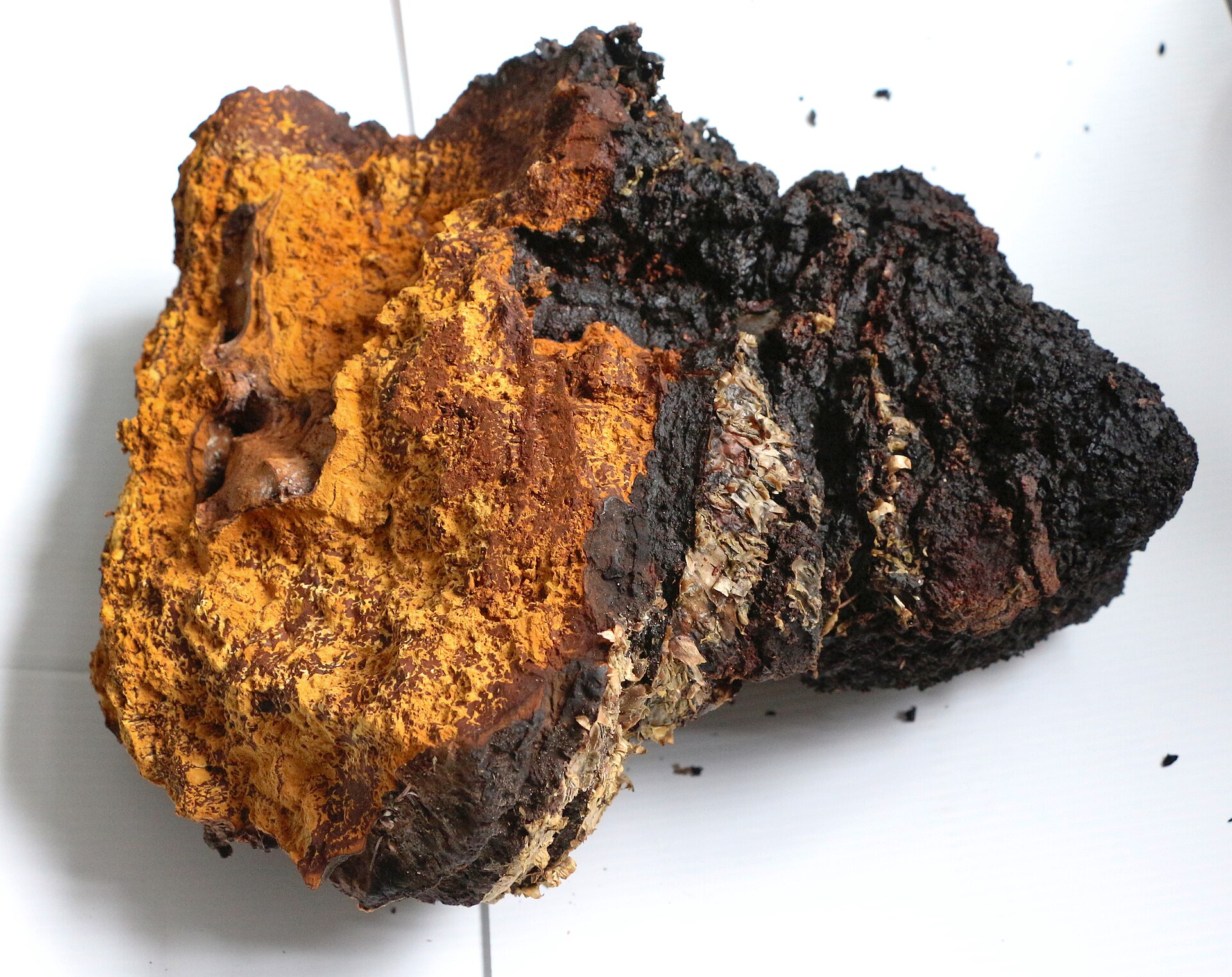
Chaga does not look like a mushroom. It looks like the tree has cancer. The black, cracked, charcoal-like mass (called a sclerotium or conk) that protrudes from the trunk of a living birch tree is the sterile mycelial mass of Inonotus obliquus, and it can grow for 10-20 years before the tree dies and the fungus finally produces its actual reproductive structure, a flat, resupinate fruiting body that appears under the bark after the host tree is dead. Almost nobody ever sees the true fruiting body.
What everyone sees, and what everyone harvests, is the conk. Inside the black exterior, the interior is a rusty golden-brown color, hard and woody, with a cork-like texture. This material is chopped up, dried, and brewed into a dark, slightly bitter tea that has been consumed across northern Russia, Siberia, Scandinavia, and parts of northern Canada and Alaska for hundreds of years.
The Chaga wellness boom of the 2010s and 2020s transformed this obscure folk remedy into a multi-million-dollar global industry. Chaga powder, tinctures, capsules, and even Chaga coffee blends now line the shelves of health food stores. The marketing claims are ambitious: immune support, anti-cancer properties, antioxidant powerhouse, anti-inflammatory, blood sugar regulation.
The science is more measured. Chaga does contain betulinic acid (derived from birch bark), melanin compounds, beta-glucans, and various polyphenols with demonstrated biological activity in lab and animal studies. However, human clinical trials are scarce, and many of the health claims circulating online have not been validated in controlled human studies. The gap between the laboratory findings and the marketing is significant.
There is also a sustainability concern. Wild Chaga takes years to grow, and the harvest boom has led to overharvesting in accessible forests across Finland, Russia, and northern North America. Some regions have introduced harvesting regulations.
Chaga Facts
- ●What people call 'Chaga' is not actually the fruiting body of the fungus. It is a sterile mass of mycelium (sclerotium). The true reproductive structure only appears after the host birch tree dies, forming a flat layer under the bark that most people never notice.
- ●Chaga's black exterior gets its color from massive concentrations of melanin, the same pigment that colors human skin and hair. Chaga contains some of the highest melanin levels found in any natural source.
- ●During World War II, Finns used Chaga as a coffee substitute when real coffee was unavailable due to wartime blockades.
- ●A single Chaga conk can grow on a living birch tree for 10-20 years, slowly feeding on the tree's heartwood before the tree eventually dies.
- ●Chaga is naturally high in oxalates. A case report in a Japanese medical journal documented kidney failure in a woman who consumed large amounts of Chaga powder daily for several months.
Stories From the Field
Solzhenitsyn's Cancer Ward
Alexander Solzhenitsyn's 1967 novel 'Cancer Ward' contains a passage about birch fungus tea being used by Russian peasants as a folk cancer treatment. The passage brought Chaga to Western attention for the first time. Solzhenitsyn himself reportedly drank Chaga tea during his own cancer treatment in the 1950s.
The Finnish Chaga Coffee Tradition
During World War II, when coffee was scarce in Finland, people in northern regions brewed Chaga as a coffee substitute. The dark, slightly bitter brew was not coffee, but it was warm and available. This wartime tradition persisted in some rural areas for decades and has been revived by modern Chaga brands marketing 'mushroom coffee.'
The Overharvesting Crisis in Northern Forests
By the late 2010s, the Chaga wellness boom had led to visible overharvesting in accessible birch forests across Finland, Minnesota, and northern Canada. In Finland, concern grew so significant that the Finnish Natural Resources Institute issued guidelines urging sustainable harvesting. Some foragers reported that Chaga conks were becoming noticeably harder to find along popular hiking routes.
The Khanty People's Ancient Remedy
The Khanty (Ostyak) people of western Siberia have used Chaga tea for centuries, long before it became a Western wellness trend. Ethnobotanical studies documented its use for digestive complaints, as a general tonic, and even as a fire starter (the dry conk catches a spark readily). The Khanty word for Chaga predates any Russian term.
Where It's Been Found
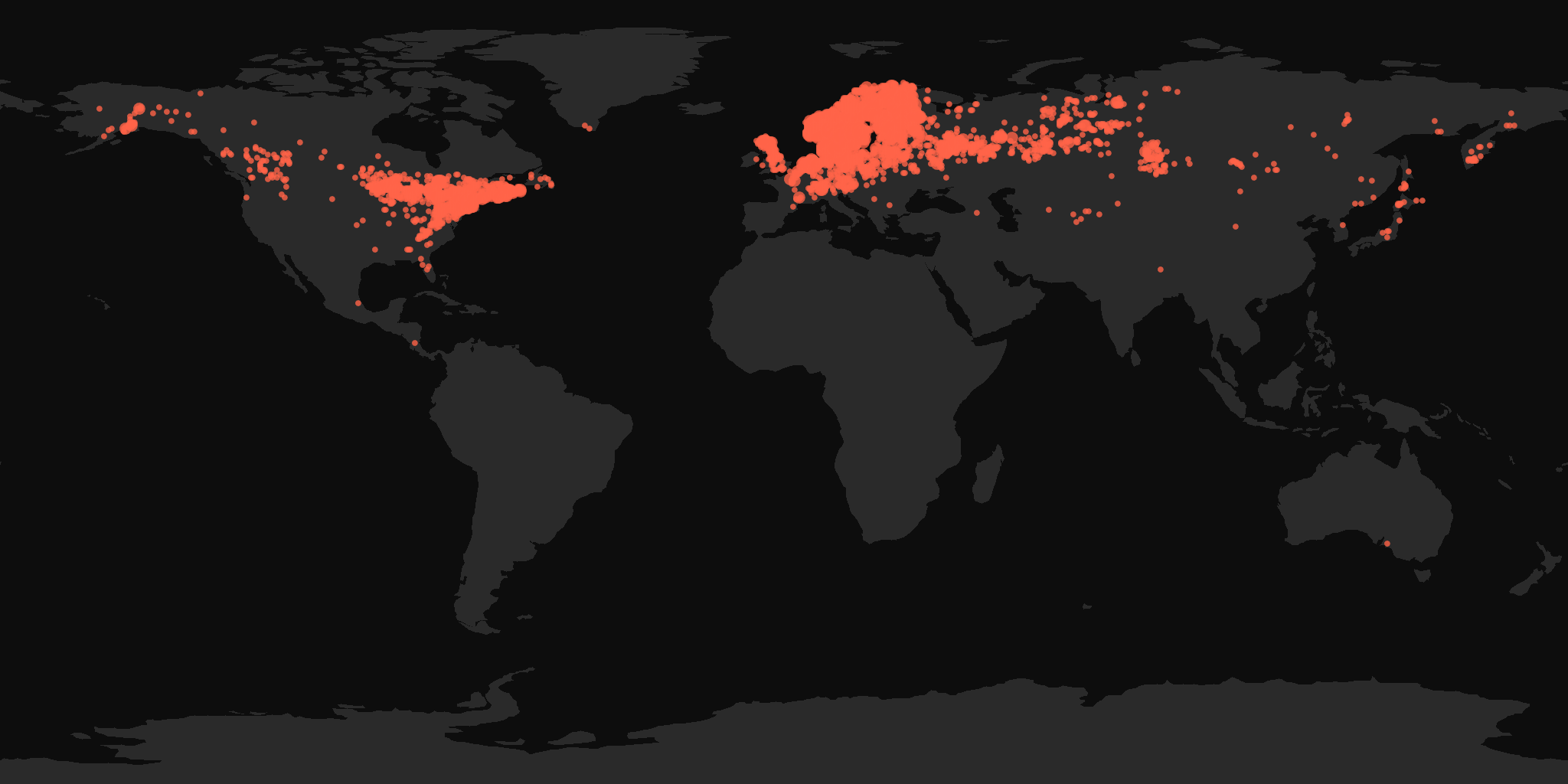
Based on reported sightings worldwide
How to Identify Chaga
Cap
Not a typical mushroom cap. The visible structure is a sterile conk (sclerotium), 10-40 cm across, irregularly shaped, protruding from the trunk of a living birch tree. Exterior is black, deeply cracked, and hard, resembling burnt charcoal or volcanic rock. Interior is golden-brown to rusty orange, hard, and corky.
Gills
No gills. The true fruiting body (rarely seen) is a flat, resupinate structure that forms under the bark of dead birch trees. The conk that people harvest is not the reproductive structure.
Stem
No stem. The conk grows directly from the trunk.
Spore Print
Not practically obtainable from the conk. The true fruiting body produces brown spores.
Odor
Mild, slightly woody, like birch bark. Not distinctive.
Mushrooms That Look Like Chaga
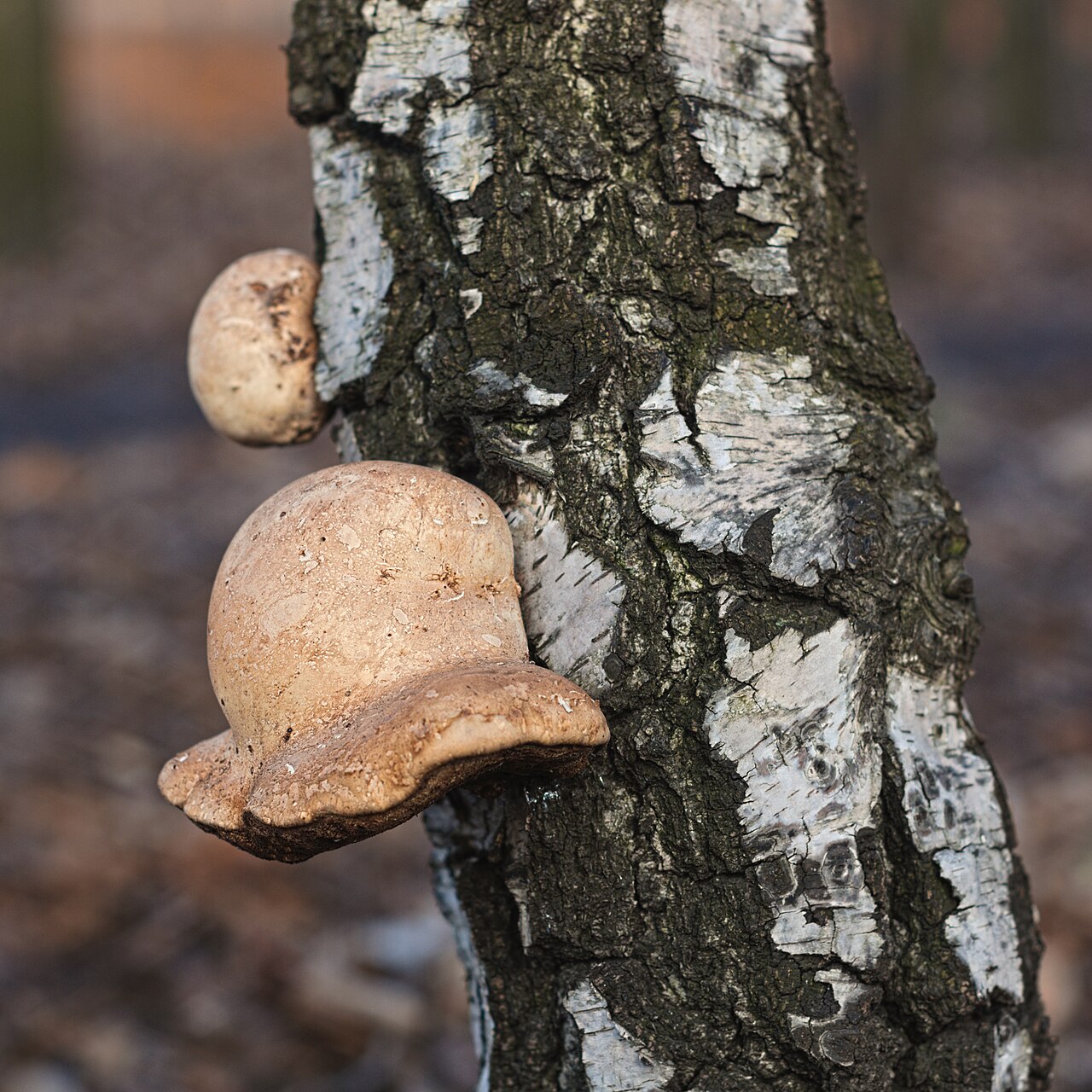
Also grows on birch but looks completely different: a smooth, whitish to grayish bracket with a distinct kidney-shaped form. Not black or charcoal-like. The two are not easily confused once you have seen both.
Side-by-side comparison →Read more on iNaturalist →Burnt or Burl Wood
The most common 'false Chaga' is simply a tree burl (abnormal woody growth) or a patch of fire-damaged bark. Burls are covered in bark and are the same color as the rest of the tree. Chaga has a distinctly black, cracked exterior and a rusty-orange interior when broken open.
Read more on Wikipedia →Is Chaga Edible?
Traditionally consumed as a tea or decoction, not eaten whole (the texture is far too woody). Chaga tea has been used in Russian and Siberian folk medicine for centuries. Modern Chaga products include powders, tinctures, and capsules. Caution: Chaga is high in oxalates, and excessive consumption has been linked to kidney problems in case reports. People with kidney disease, those on blood thinners, or those with autoimmune conditions should consult a doctor before using Chaga. Many marketed health claims lack robust human clinical evidence.
Always verify with local experts before consuming wild mushrooms.
Found something that looks like this in the wild? Don't guess — identify it from a photo with Orangutany and check it against look-alikes before you touch it.