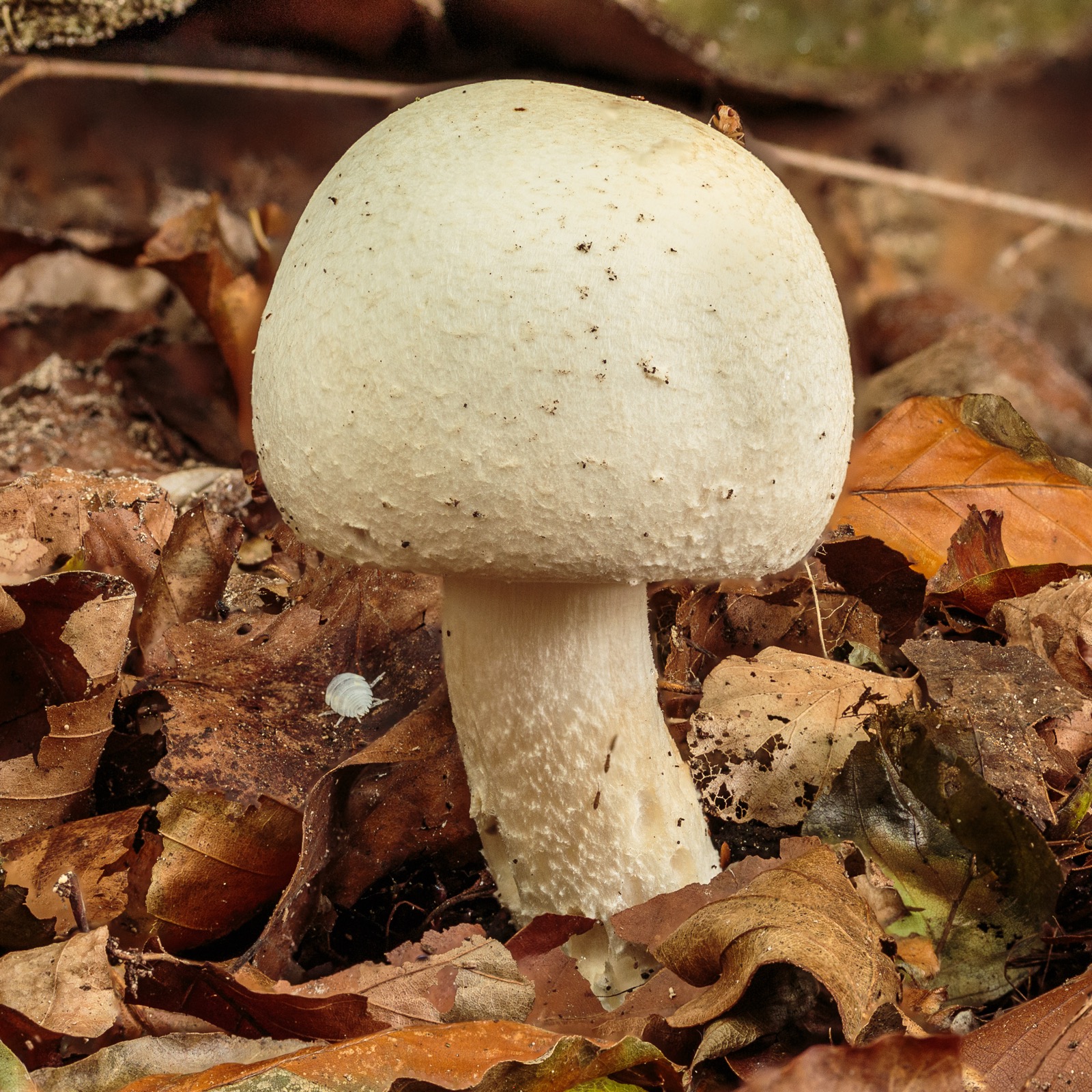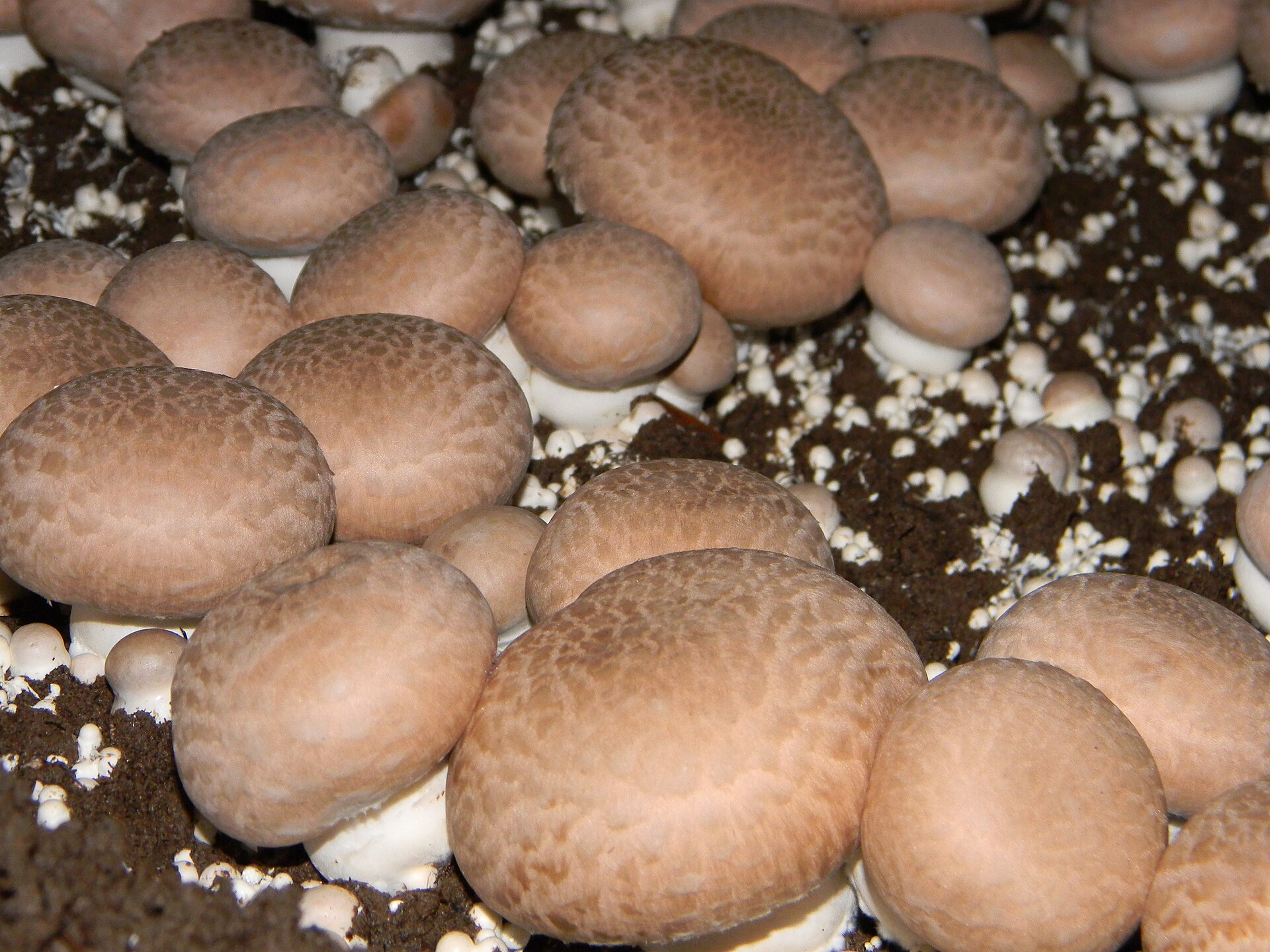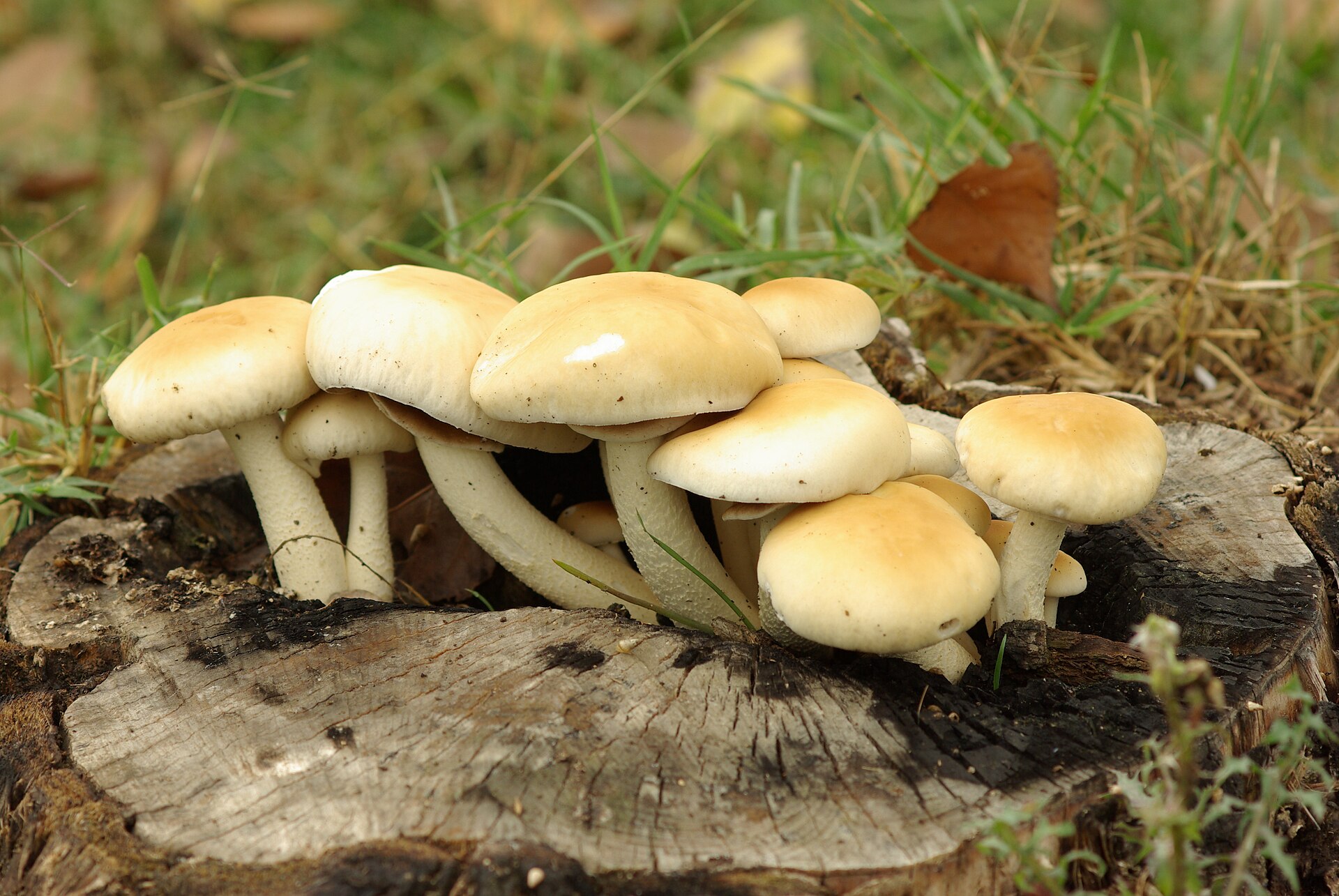
Photo by Ramiro Barreiro · Wikimedia Commons · CC BY-SA 3.0
An exceptional edible mushroom that grows in dense clusters on poplar, elm, and other hardwood stumps. Known as Pioppino in Italy and Black Poplar Mushroom in English, Cyclocybe aegerita has been cultivated since Roman times and remains one of southern Europe's most treasured culinary fungi, prized for its firm texture and rich, nutty flavor.
The Pioppino holds a unique distinction in mycological history: it is almost certainly the first mushroom ever intentionally cultivated by humans. Roman authors including Pliny the Elder and Columella described methods for growing it on poplar logs as early as the first century AD. Dioscorides mentioned it in De Materia Medica. Two thousand years later, Italian farmers are still growing it the same way.
In the wild, Cyclocybe aegerita fruits in dense, overlapping clusters on dead or dying hardwood, especially poplar (Populus), elm, and willow. The clusters can be impressively large, with dozens of mushrooms emerging from a single point on a stump or trunk. Each mushroom has a smooth, tawny brown cap that pales with age, cream-colored gills that darken to brown as spores mature, and a firm, meaty stem with a prominent ring (annulus).
What sets Pioppino apart from other cultivated mushrooms is texture. The flesh is dense, almost crunchy, and holds up beautifully in braises, stir-fries, and long-cooked sauces. Italian cooks treat them as a premium ingredient, sauteing clusters whole in olive oil with garlic and white wine. In southern Italy, finding a big flush of wild pioppini on a riverside poplar is considered genuine good fortune.
The taxonomy has been reworked multiple times. You may see this species listed as Agrocybe aegerita, Agrocybe cylindracea, or Pholiota aegerita in older references. The current accepted name is Cyclocybe aegerita, though the genus change is relatively recent and not universally adopted in field guides.
Pioppino Facts
- ●Cyclocybe aegerita is almost certainly the first mushroom ever deliberately cultivated by humans. Roman agricultural writers described the technique over 2,000 years ago.
- ●The name 'pioppino' comes from 'pioppo,' the Italian word for poplar, the tree most closely associated with this mushroom.
- ●In controlled studies, Cyclocybe aegerita has been shown to produce compounds with antibiotic, antioxidant, and anti-tumor properties, making it a subject of ongoing pharmaceutical research.
- ●A single poplar stump can produce multiple flushes of pioppini per year for several years running, sometimes yielding over 10 kg of mushrooms before the wood is fully decomposed.
Stories From the Field
Rome's First Cultivated Mushroom
Pliny the Elder, writing in the first century AD, described Roman farmers inoculating poplar logs with material from previous mushroom flushes to grow what he called 'fungi of the poplar.' Columella's agricultural manual De Re Rustica provided specific instructions. This makes Cyclocybe aegerita likely the earliest mushroom intentionally cultivated by humans, predating Asian shiitake cultivation by over a thousand years.
The Riverside Poplar Bonanza in Puglia
A forager from Bari described finding an enormous flush of pioppini on a fallen poplar along the Ofanto River. The cluster weighed over 4 kg and filled two shopping bags. He brought them to a local trattoria, where the chef cooked them with orecchiette pasta, garlic, white wine, and pecorino. The dish was served that evening to a full house.
China's Pioppino Cultivation Boom
While Italy grows pioppini on traditional poplar logs, China has scaled up production dramatically using supplemented sawdust blocks in climate-controlled facilities. Chinese production of Cyclocybe aegerita exceeded 100,000 tonnes annually by the mid-2010s, making it one of the top cultivated specialty mushrooms in Asia.
How to Identify Pioppino
Cap
3-12 cm across. Convex when young, flattening with age, sometimes developing a slight central depression. Surface smooth, dry, occasionally cracking in dry weather. Color ranges from dark brown when young to tawny, pale tan, or almost whitish when mature.
Gills
Attached to slightly decurrent. Crowded, thin. Pale cream to whitish when young, turning brown to dark brown with spore maturity. This color change is a useful identification feature.
Stem
5-15 cm tall, 1-2.5 cm thick. Firm, fibrous, whitish above the ring, brownish below. Has a prominent, persistent membranous ring (annulus) on the upper portion. The ring may collect brown spore deposits from the caps above in clustered fruitings.
Spore Print
Brown to dark brown.
Odor
Pleasant, floury, sometimes described as mealy or slightly fruity.
Mushrooms That Look Like Pioppino
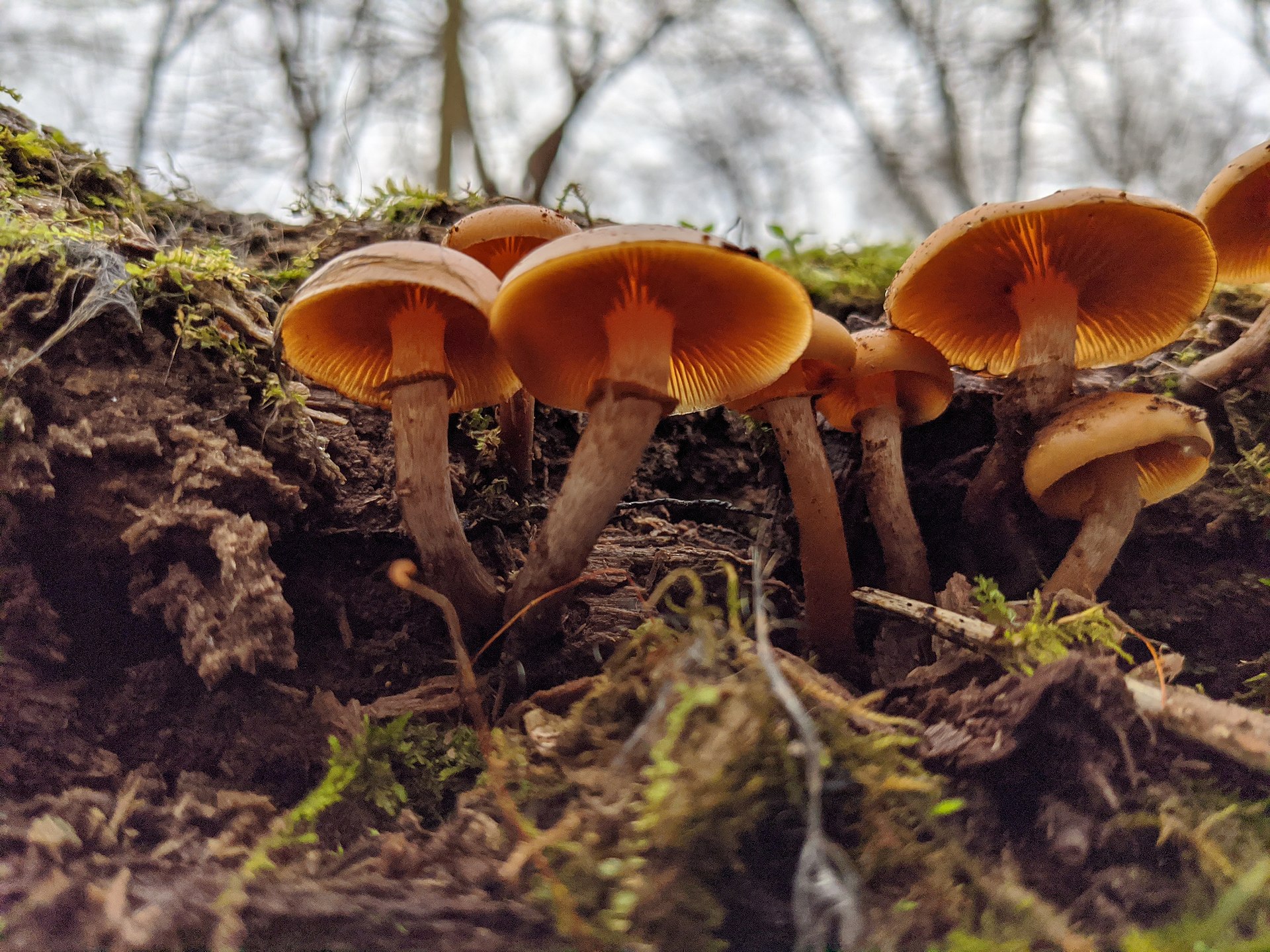
DEADLY. Can grow on wood and has a ring on the stem. Key differences: Galerina is much smaller, with a rusty brown spore print (not dark brown), and grows on conifer wood rather than hardwood. It typically appears as scattered individuals, not dense clusters. Contains amatoxins.
Side-by-side comparison →Read more on iNaturalist →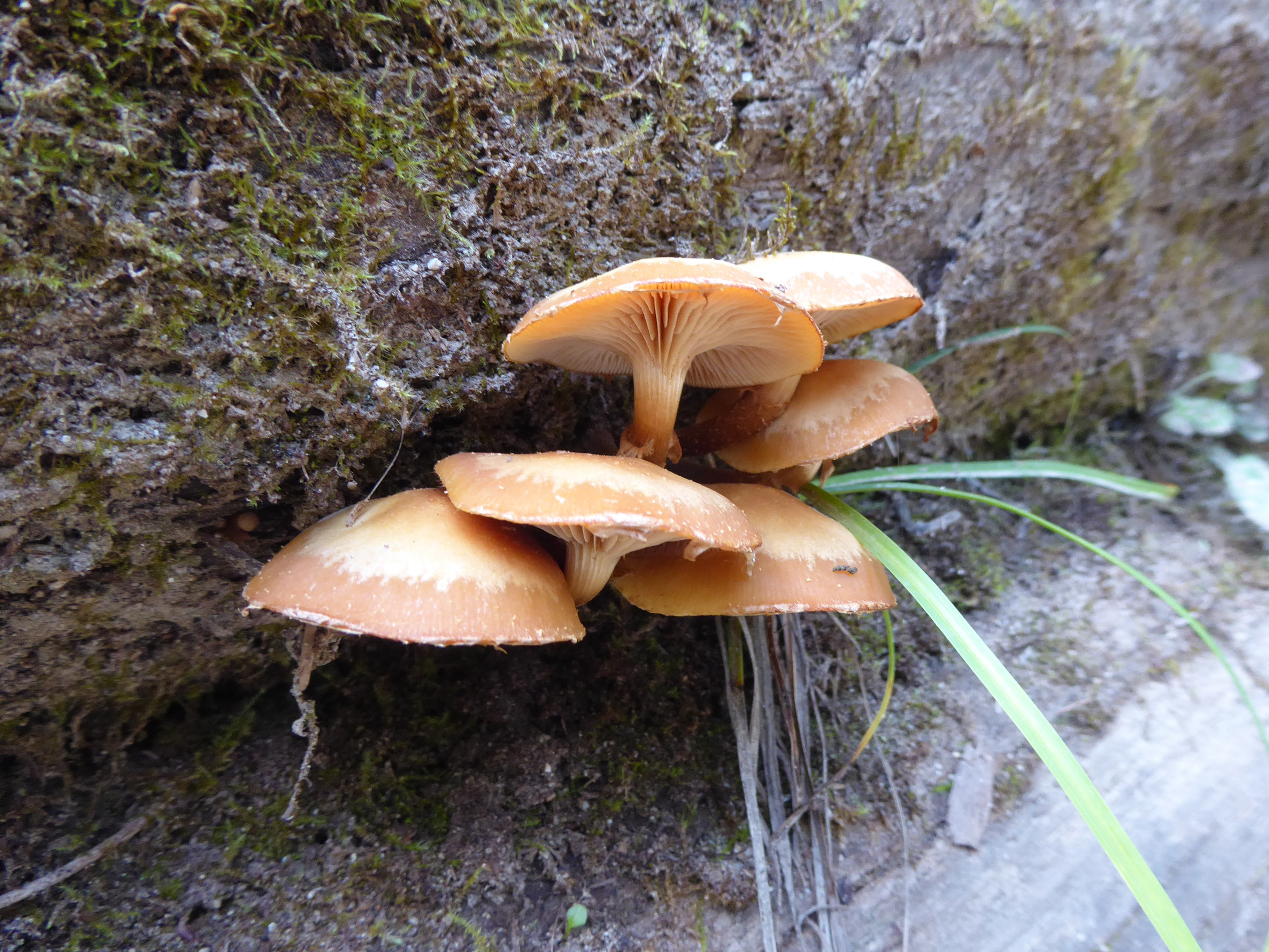
Edible but could cause confusion. Grows in clusters on wood, has a ring. However, the cap is distinctly two-toned (darker in the center, paler at the margin) and hygrophanous. Smaller overall. Stem is scaly below the ring.
Side-by-side comparison →Is Pioppino Edible?
An excellent edible mushroom with firm, meaty texture and rich, nutty flavor. One of the most prized culinary mushrooms in southern Europe. Can be sauteed, braised, grilled, or added to sauces and risottos. The firm texture holds up well in long-cooked dishes. Cultivated commercially in Italy, China, and Japan. Store fresh specimens in paper bags in the refrigerator; they keep well for several days due to their dense flesh.
Always verify with local experts before consuming wild mushrooms.
Found something that looks like this in the wild? Don't guess — identify it from a photo with Orangutany and check it against look-alikes before you touch it.