The World's Most Expensive Mushrooms: Who Buys Them and Why
The room smells like garlic and wet earth and old money. It is November in Alba, Italy, and inside a converted palazzo, fifty or so people in good wool coats are watching a white truffle the size of a man's fist rotate slowly on a velvet pedestal. The auctioneer speaks in Italian, then English, then Mandarin. The bids climb in increments of five thousand euros. At 78,000 euros, roughly $85,000 at the time, the hammer falls. The buyer is anonymous. He or she is patched in by phone from somewhere in Hong Kong.
The truffle weighs just over a pound. It was pulled from the ground that morning by a man named Marco, or possibly Giovanni, because the hunters in Piedmont use fake names with outsiders. His dog, a Lagotto Romagnolo with a gray muzzle, found it buried six inches under an oak tree in a location Marco will take to his grave. He was paid around 12,000 euros for it. The auction house took the rest.
I have been writing about food economies for a decade, and nothing comes close to mushrooms. Not saffron, not vanilla, not even caviar. The most expensive mushrooms in the world occupy a space where gastronomy collides with ecology, organized crime, and sheer human obsession. This is what that looks like.
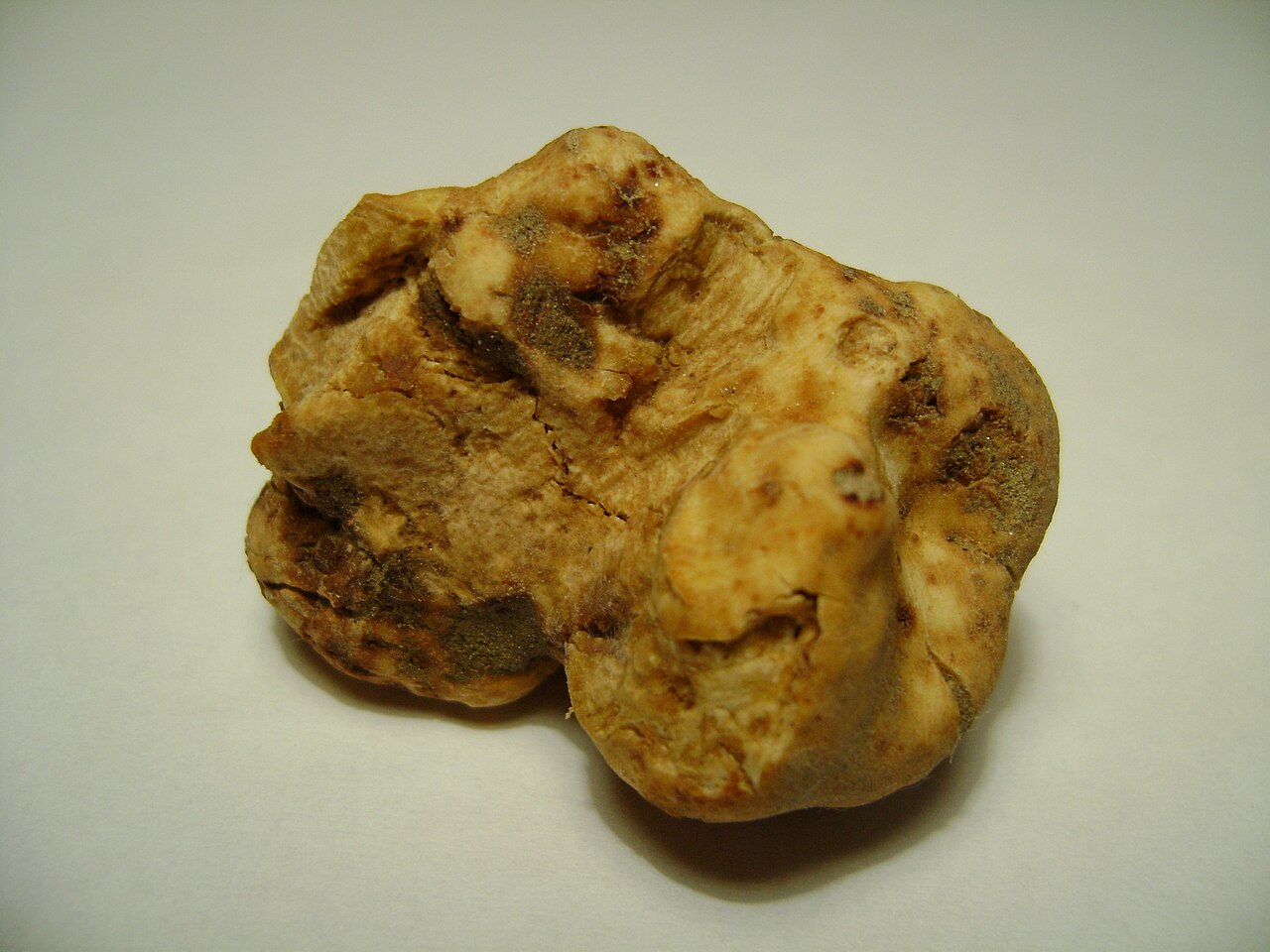
European White Truffle (Tuber magnatum)
Retail price: $2,000 to $4,000 per pound on a good year. Auction specimens, especially those over 500 grams, have sold for multiples of that. In 2007, a 3.3-pound white truffle fetched $330,000 at a Macau charity auction. The buyer was a casino magnate.
White truffles cannot be cultivated. People have tried. Serious people, with serious money and serious mycologists on payroll. Nobody has cracked it. The fungus requires a symbiotic relationship with specific tree roots, specific soil bacteria, specific moisture conditions, and probably a few variables nobody has identified yet. You cannot plant a white truffle farm. You can only find them.
And finding them is its own world. In Piedmont, truffle hunters (tartufai) operate in a culture of secrecy that borders on paranoia. Hunting spots are inherited through families and never shared. Hunters go out at night, partly to avoid being followed, partly because the dogs work better in the cool air. The competition is vicious. In 2010, the Italian press reported a string of truffle dog poisonings in the Langhe hills: hunters leaving meatballs laced with strychnine in rival territory. At least a dozen dogs died that season.
Pigs were banned from truffle hunting in Italy in 1985 because they would find the truffles and then eat them before the hunter could intervene. Dogs were trainable. Pigs were not, at least not reliably. The shift to dogs professionalized the industry but also raised the emotional stakes. When someone poisons your truffle dog, they are not just sabotaging your livelihood. They are killing your partner.
The white truffle season runs from October to December. Some years are disasters. Climate change has made yields unpredictable, and drought years produce almost nothing. In those years, the price per pound can double. Restaurants in Tokyo and New York still want their shaved truffle service, and the supply simply isn't there.
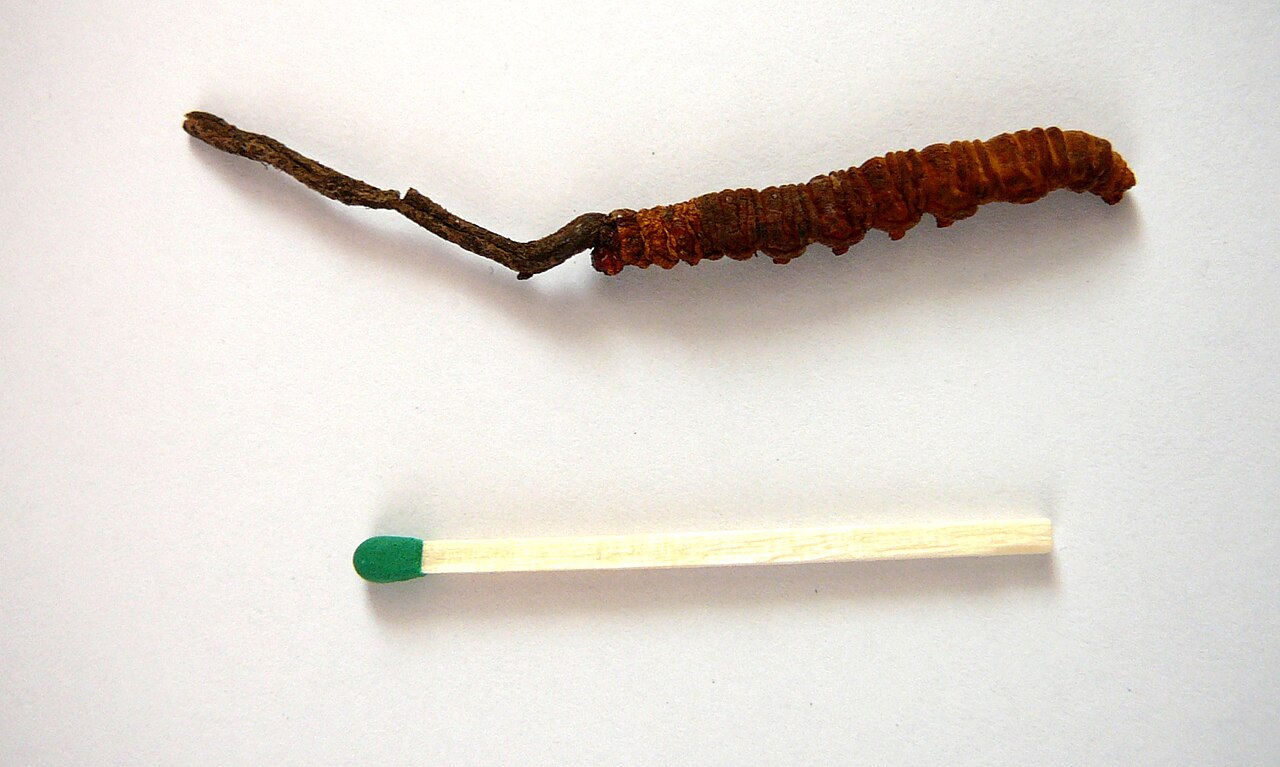
Caterpillar Fungus (Ophiocordyceps sinensis)
If you are talking strictly about price per pound, wild Tibetancordyceps may be the most expensive fungus on the planet: $20,000 to $50,000 per pound, depending on grade and origin. Top-grade specimens from the Qinghai-Tibet Plateau have sold for more than three times the price of gold by weight.
The organism itself is almost too strange for fiction. A parasitic fungus infects ghost moth larvae living underground on the Himalayan plateau. The fungus slowly consumes the caterpillar from the inside, eventually killing it, then sends a thin stalk up through the soil surface. What collectors find is a mummified caterpillar with a dark brown spike protruding from its head. The Tibetan name, yartsa gunbu, translates roughly to "summer grass, winter worm."
In traditional Chinese medicine, cordyceps is considered a powerful tonic for vitality, stamina, and kidney function. The market is enormous. And in the high-altitude communities of Tibet and Nepal, collection season (May through July) reshapes daily life entirely. Children skip school. Families move to temporary camps at 14,000 to 16,000 feet. One good find, a single intact specimen, can equal a week of wages from any other available work.
But yields have been declining for over a decade. Overharvesting is part of it. Climate change is another part: the grasslands are warming, and the moth larvae that host the fungus are moving to higher elevations, or disappearing altogether. A 2020 study published in PNAS found that cordyceps abundance on the Tibetan Plateau had dropped by roughly 50% since the 1990s.
The economics are stark. In some Tibetan communities, cordyceps collection accounts for 40 to 80 percent of household income. When the fungus disappears, so does the economy. There is no backup plan.
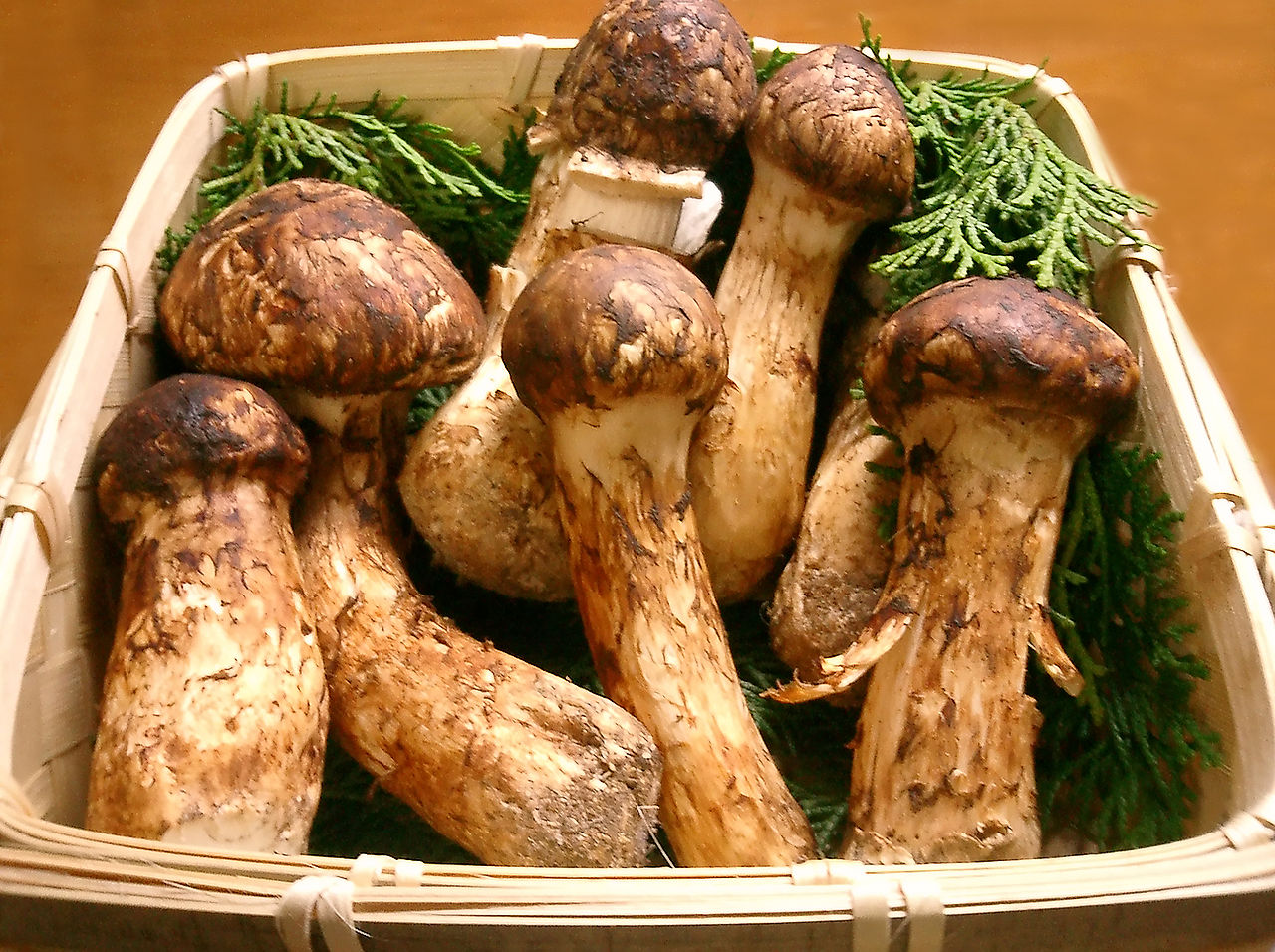
Matsutake (Tricholoma matsutake)
In Japan, the first matsutake of the season is treated with a reverence that Americans reserve for maybe a newborn child. Top-grade Japanese matsutake, firm and unopened, with the stem still intact, sells for $1,000 to $2,000 per pound. Single specimens have been gifted in lacquered boxes to business partners and politicians. The mushroom is not just food. It is social currency.
The gift-giving tradition around matsutake is deeply embedded in Japanese corporate and political culture. Sending someone a box of first-harvest matsutake communicates respect, obligation, and wealth simultaneously. The mushroom's aroma, a distinctive spicy-piney smell that some people find intoxicating and others find vaguely like cinnamon, is considered the essence of autumn.
Matsutake cannot be cultivated. Like the white truffle, it is mycorrhizal: it lives in symbiosis with the roots of specific trees, in this case Japanese red pine. And Japanese red pine forests are dying. Pine wilt disease, caused by a nematode originally from North America, has been devastating pine forests across Japan since the 1970s. As the trees die, the matsutake vanish with them.
Here is the strange part: the exact same species grows in Oregon, British Columbia, and the Pacific Northwest. North American matsutake is genetically identical. It smells the same, tastes the same, grows the same way. But it sells for a fraction of the Japanese price, sometimes as low as $30 to $60 per pound at wholesale. The Japanese market prizes origin above all else. Domestic matsutake is considered superior not because of any measurable difference in quality, but because it is from Japan. Terroir as identity.
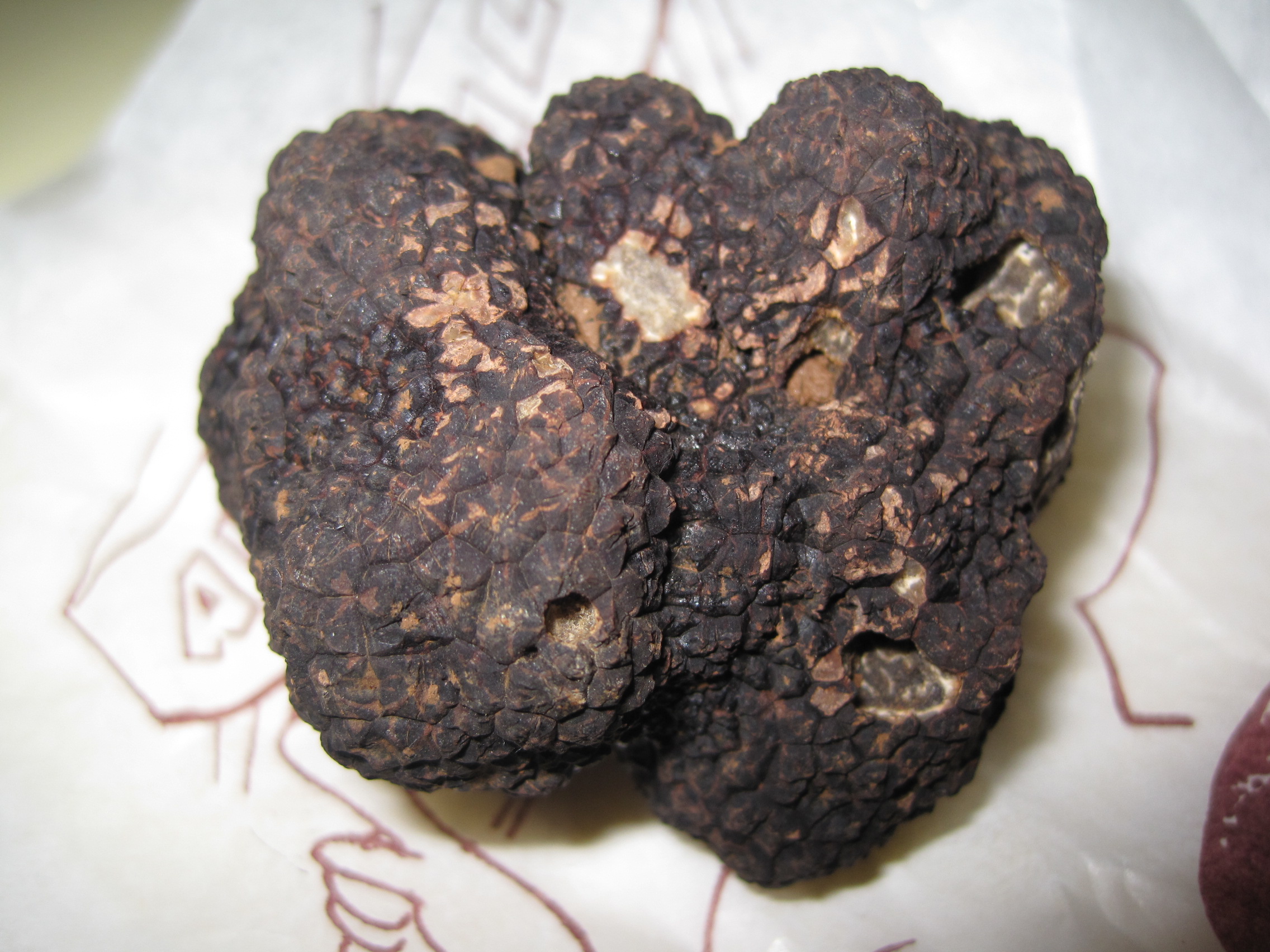
Black Perigord Truffle (Tuber melanosporum)
The Perigord truffle is the one you probably picture when someone says "truffle": dark, rough-skinned, veined with white marbling inside. It retails for $800 to $1,500 per pound, less than the white truffle but still enough to make a small plate of pasta cost $200 at a Manhattan restaurant.
Unlike the white truffle, the Perigord can be cultivated, sort of. Farmers inoculate the roots of young oak and hazelnut trees with truffle spores, plant the trees, and then wait. The wait is the problem. It takes 7 to 15 years before a truffiere produces its first harvest, and many never produce at all. You are investing over a decade of land use and tree maintenance on a gamble.
The French truffle industry has a dirty secret that everyone in the business knows and nobody talks about publicly: most "French" truffles sold in France are actually from Spain. Spain now produces more Perigord truffles than France, thanks to aggressive plantation programs in Aragon and Catalonia. French production has collapsed from roughly 1,000 metric tons per year in the early 1900s to around 30 to 50 tons today. Spanish production fills the gap. The truffles cross the border, get relabeled, and end up on French menus with a French story attached.
Australian and Chilean trufferies have also entered the market, producing during the Southern Hemisphere winter (June through August) and shipping to Northern Hemisphere restaurants desperate for off-season product. The quality is genuinely good. The prestige is not there yet.
Morels (Morchella species)
Dried morels sell for $30 to $90 per pound. Fresh ones, in season, are cheaper but still command a premium at farmers' markets and high-end restaurants. These are not truffle prices. But morels have something truffles do not: a gold-rush economy built on disaster.
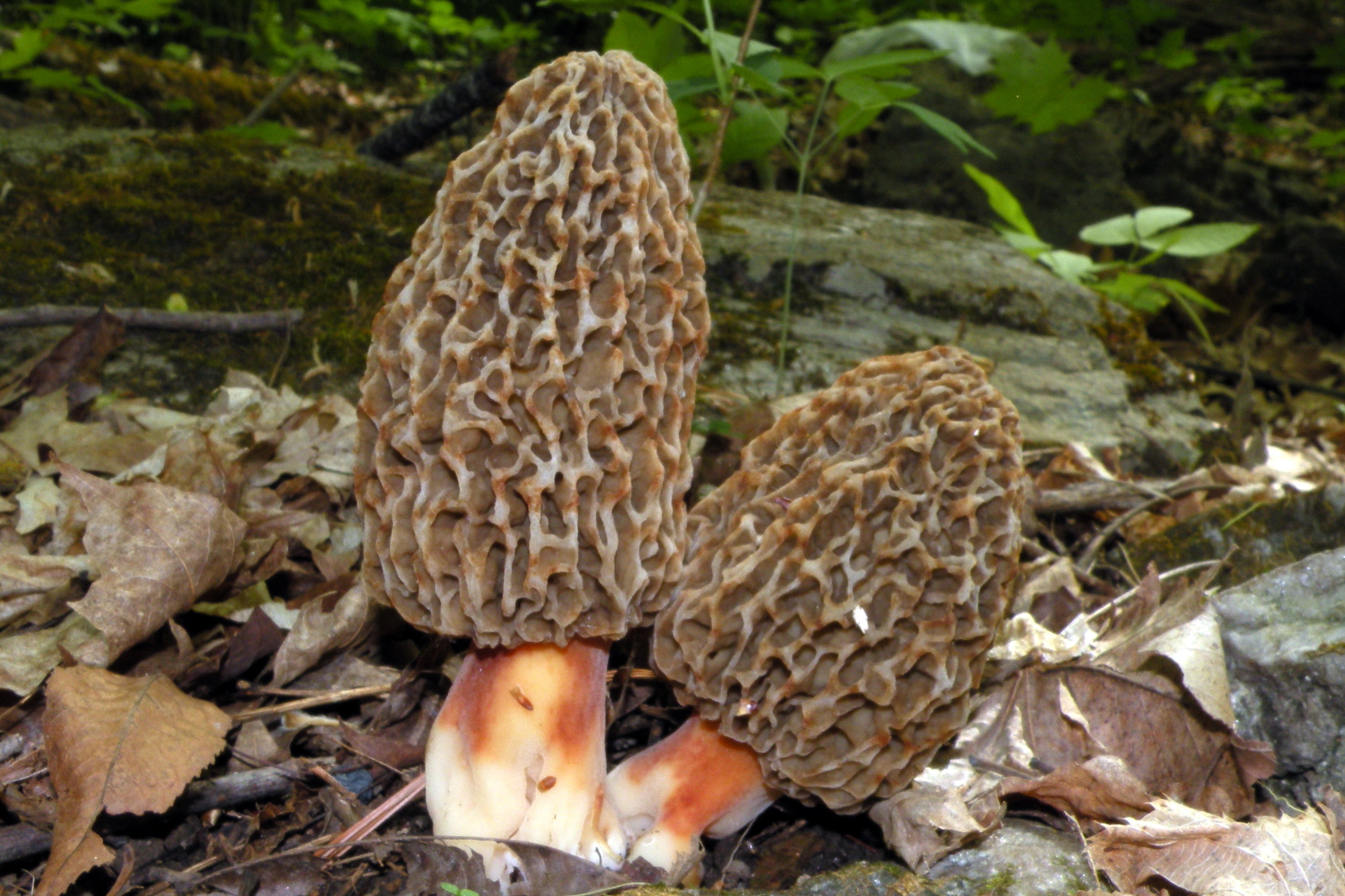
After a major forest fire, morels fruit in extraordinary abundance the following spring. Nobody fully understands why. The prevailing theory is that the fire destroys the trees the mycelium was partnered with, triggering a survival response: the fungus fruits massively, throwing spores into the wind in a last-ditch effort to colonize new territory. Whatever the reason, a good burn scar can produce thousands of pounds of morels per acre.
When word gets out about a productive burn, commercial pickers descend. They come in trucks and vans, some from hundreds of miles away. The workforce is largely migrant, Southeast Asian and Latino pickers who follow the season from fire to fire across the American West. They live in tent camps on Forest Service land. The pay is piece-rate: you are paid by the pound. A fast picker on a good day might earn $300 to $500. A slow day might yield $40.
The tensions between commercial pickers and local communities can get ugly. Residents near burn scars complain about camps, trash, and territorial disputes on public land. Forest Service permit systems are supposed to manage access, but enforcement is spotty. The whole scene has a certain Wild West quality to it, a seasonal economy that appears, extracts, and vanishes.
Chanterelles (Cantharellus cibarius)
Golden chanterelles are the workhorse of the wild mushroom market. At $15 to $30 per pound fresh, they are accessible enough for a home cook splurging on a weeknight dinner but expensive enough to sustain a commercial picking economy.
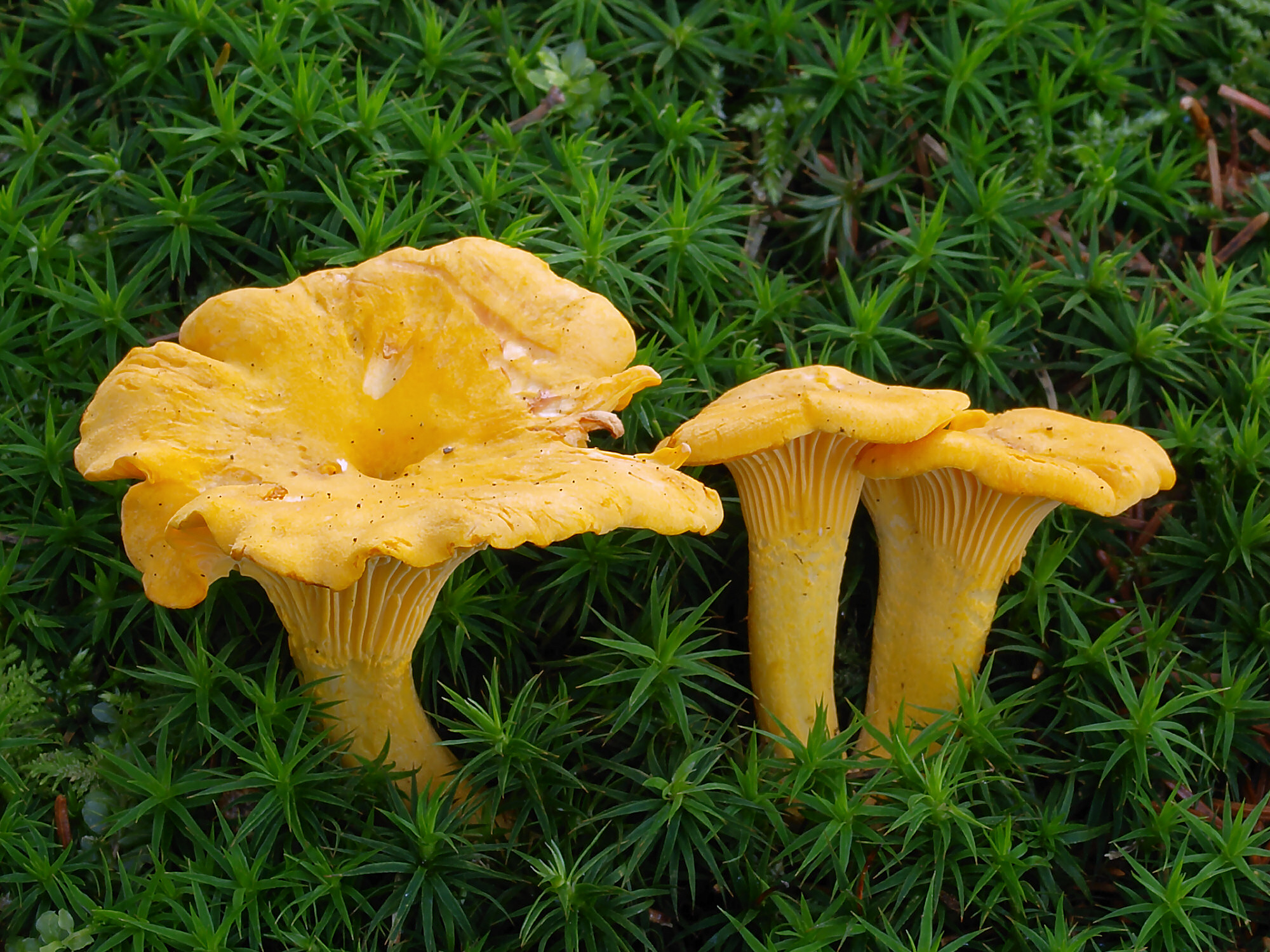
The Pacific Northwest is the epicenter. Oregon and Washington produce the bulk of North American chanterelles, and during a good fall season, the forests fill with pickers. The permit system varies by national forest: some require daily permits, some seasonal. Recreational limits are typically a gallon per day. Commercial permits cost more and allow larger harvests.
A skilled picker working good territory can earn $200 to $500 a day. The mushrooms get sold to buyers who set up at trailheads and forest road junctions, paying cash by the pound. The buyers sell to distributors. The distributors sell to restaurants and grocery chains. By the time a chanterelle reaches a plate in San Francisco, it has passed through three or four hands, and the picker got maybe a third of the final retail price.
Chanterelles are mycorrhizal, which means they cannot be farm- cultivated. Detailed species descriptions are available at MushroomExpert.com. Every chanterelle you have ever eaten was picked from the ground by a human being. That fact alone justifies the price.
Lion's Mane (Hericium erinaceus)
Lion's mane is the odd one out on this list. At $8 to $15 per pound fresh, it is not expensive in the way truffles or cordyceps are. It is here because of what happened to its price in a different form.
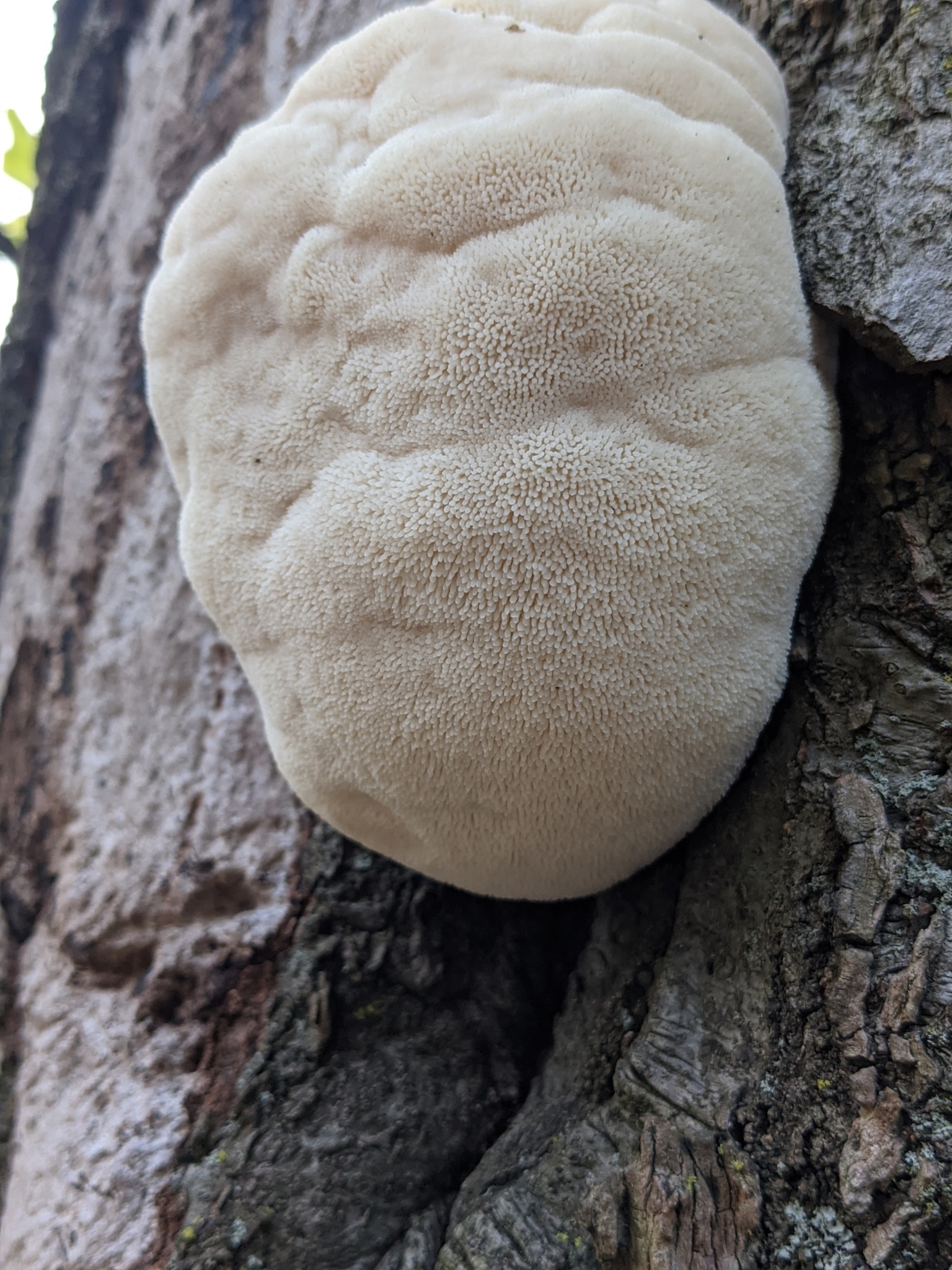
Five years ago, most Americans had never heard of lion's mane. Now it is in every supplement aisle, every wellness brand, every nootropic stack marketed to tech workers who want to "optimize cognitive function." The supplement industry sells lion's mane extract for $30 to $60 for a month's supply of capsules. That is a markup of several thousand percent over the cost of the raw mushroom. The fresh culinary product, which is genuinely delicious seared in butter and tastes something like lobster, costs a fraction of what the supplement form commands.
The difference is that lion's mane is saprotrophic: it eats dead wood, not living tree roots. That means it can be cultivated easily on sawdust blocks in a climate-controlled room. Dozens of small farms across the US grow it now. The supply is theoretically unlimited. The supplement pricing has nothing to do with scarcity and everything to do with marketing.
Why You Can't Just Farm Them
The question always comes up: if these mushrooms are worth so much, why not just grow them? The answer is mycorrhizal dependency, and it explains almost everything about why certain mushrooms cost what they do.
Fungi fall into two broad categories based on how they eat. Saprotrophic fungi decompose dead organic matter. Think button mushrooms, shiitake, oyster mushrooms, lion's mane. These can be cultivated because you can give them what they need: a bag of sterilized sawdust or straw, some moisture, and a dark room. The supply is industrial. The prices are low.
Mycorrhizal fungi form symbiotic relationships with the roots of living trees, a pattern documented across global species distribution data. The fungus provides the tree with water and minerals. The tree provides the fungus with sugars. Neither can thrive without the other. White truffles, matsutake, chanterelles, andporcini are all mycorrhizal. You cannot replicate the relationship in a lab or a greenhouse. You need the tree, the soil, the bacteria, the climate, and decades of an undisturbed ecosystem.
Black truffles are the partial exception. They are mycorrhizal, but the relationship can be initiated artificially by inoculating seedling roots. Even so, success is not guaranteed, and the wait time is measured in years, not months. Matsutake cultivation has been attempted for decades in Japan with zero commercial success. The fungus simply refuses to cooperate outside its natural context.
This is the fundamental economic reality of the wild mushroom trade: the most expensive species are expensive precisely because they cannot be produced on demand. Scarcity is not a marketing strategy. It is a biological fact.
The Hidden Economies Underneath
I started reporting this piece thinking it would be about luxury food. Rich people and their truffles. What I found was something more complicated.
In Piedmont, truffle hunters poison each other's dogs. In Tibet, children miss months of school to dig caterpillar fungus out of frozen ground because their families have no other meaningful source of income. In Oregon, migrant workers live in roadside camps, picking morels from scorched earth for piece-rate pay. In southern France, Spanish truffles cross the border in unmarked trucks and emerge with new identities.
The mushroom trade connects poverty to haute cuisine in ways that most diners never see. The $200 truffle pasta in Manhattan starts with a man and a dog, at night, in the Italian hills, in a culture of rivalry and violence. The cordyceps capsule in your smoothie starts with a child on a Tibetan hillside, missing school, scanning the ground for a tiny brown spike worth more than her parents earn in a day.
Climate change is making all of this worse. Truffle yields are down. Cordyceps yields are down. Pine forests are dying and taking matsutake with them. The wild mushroom economy is not just a story about scarcity and desire. It is a story about ecosystems under stress, and the people who depend on them running out of options.
Organized crime has entered the picture in predictable ways. Truffle fraud in Europe, where cheaper Chinese truffles are passed off as Perigord, is a multi-million dollar problem. Cordyceps counterfeiting in China involves injecting lead into specimens to increase their weight before sale. Where there is money and opacity, there are people willing to cheat.
Next time you see a truffle shaved over pasta, or a jar of dried morels on a specialty shelf, or a bottle of lion's mane capsules in the wellness aisle, think about the chain of hands that brought it there. The price tag tells you what the market will bear. It tells you nothing about what it cost.
Curious what that mushroom is? Orangutany identifies mushrooms from photos in seconds.